 0
0
 0
0
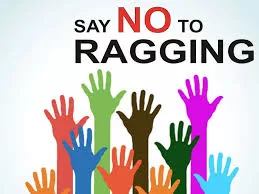
PRAYAGRAJ, INDIA — A burgeoning scandal involving allegations of severe physical and mental harassment has emerged at the prestigious Motilal Nehru Medical College (MLNMC), one of Uttar Pradesh’s oldest and most respected medical institutions. Following the viral spread of a video appearing to document a confrontation between junior and senior students, local police and college administrators have launched a formal investigation into claims of “ragging”—a practice of hazing that remains a persistent shadow over India’s medical education system.
The incident, which surfaced on May 7, 2026, involves a first-year MBBS student who alleges that juniors are subjected to a daily regimen of abuse within the girls’ hostel. The allegations include being forced to stand for hours, verbal vilification, physical assault, and the nightly confiscation of mobile phones to prevent students from seeking help or contacting their families.
A Culture of Silence Broken by Social Media
The controversy gained momentum after footage was shared across Instagram and Facebook, showing a junior student confronting her seniors. In the video, several students are seen standing against a wall—a visual representation of the power imbalance that critics say characterizes these interactions.
According to reports from Free Press Journal and local media, the victim claims that what is often dismissed as “senior-junior bonding” has devolved into systematic harassment. “This is not ragging; this is physical and mental harassment,” stated one social media post accompanying the clip, which also alleged that friends of the victim faced threats after the recording was made public.
In response, the Prayagraj police have initiated a probe to verify the authenticity of the claims. Dr. Archana Kaul, the college warden, has begun questioning students to determine the extent of the alleged misconduct. However, the college administration has maintained a cautious stance. Early reports indicate that the college principal initially noted no formal complaint had been filed through official channels, suggesting that social media portrayals may be prone to exaggeration. As of May 10, 2026, no official suspensions have been handed down while the dual police and internal inquiries continue.
The Mental Health Toll on Future Doctors
While the MLNMC investigation is in its preliminary stages, the case has reignited a national conversation about the psychological safety of medical students.
“Ragging erodes the mental health of MBBS students who are already navigating an immense academic workload,” says Dr. Sanjay Gupta, a public health expert and former medical college dean. Dr. Gupta, who is not involved in the MLNMC case, notes that such environments contribute to India’s alarming medical student suicide rates, which exceed 20 reported cases annually.
The clinical implications of this environment are significant. Dr. Meera Rao, a psychiatrist at the All India Institute of Medical Sciences (AIIMS), explains that chronic harassment mimics the dynamics of severe bullying.
“Exposure to this type of trauma can lead to Post-Traumatic Stress Disorder (PTSD), clinical anxiety, and high dropout rates,” Dr. Rao says. “Medical training requires resilience, but resilience should never be built at the cost of human dignity.”
Public Health and the Physician Pipeline
The stakes extend beyond the dormitory walls. Experts argue that a toxic culture in medical school can have a “trickle-down” effect on public health. Research in the field of medical education suggests that students who experience or witness bullying are more likely to develop:
-
Burnout and Cynicism: Early exposure to trauma can diminish empathy, a core component of effective patient care.
-
Increased Error Rates: Studies published in various health journals have linked high-stress, abusive training environments to a higher frequency of medical errors once students enter practice.
-
Impaired Communication: A “hierarchy of fear” established in school can lead to poor communication in clinical settings, where junior doctors may feel too intimidated to report concerns to senior consultants, potentially endangering patients.
With India striving to bolster its healthcare workforce under initiatives like Ayushman Bharat, the loss of talented students to burnout or mental health crises represents a significant setback for the national healthcare infrastructure.
A Pattern of Persistence
Despite the University Grants Commission (UGC) and the National Medical Commission (NMC) implementing strict anti-ragging regulations—which carry penalties of up to 10 years in prison for severe physical harm—incidents continue to surface across the country.
-
January 2026: Nine students at Doon Medical College in Uttarakhand were suspended for allegedly assaulting juniors with belts.
-
January 2026: Two seniors at Nerchowk Medical College in Himachal Pradesh were suspended for assault.
-
October 2025: The Uttarakhand High Court initiated contempt proceedings against authorities at Sushila Tiwari Government Medical College following an incident where 27 students were found with shaved heads and tied hands.
Navigating the Investigation: Limitations and Counterpoints
As the MLNMC probe continues, legal and academic experts urge a balanced approach. While the viral video provides compelling visual evidence, investigators must distinguish between systematic hazing and isolated interpersonal disputes.
Previous cases, such as the one at Nerchowk Medical College, have shown that anti-ragging laws can occasionally be misused for personal vendettas or extortion. “Balanced probes are essential to ensure justice for victims while preventing ‘witch hunts’ that can unfairly derail a student’s career based on unverified social media claims,” says a legal analyst familiar with medical education law.
Guidance for Students and Parents
The National Medical Commission mandates that every medical college maintain an active anti-ragging cell. For students currently facing harassment, authorities recommend the following steps:
-
Utilize National Helplines: The UGC operates a 24/7 toll-free anti-ragging helpline at 1800-180-5522.
-
Anonymous Reporting: Use the official UGC or NMC web portals to file complaints if fear of retaliation is high.
-
Document Everything: While often difficult, maintaining a record of dates, times, and witnesses can be crucial for formal investigations.
For parents and aspirants, experts recommend researching a college’s anti-ragging record via the NMC website before finalizing admissions. As the investigation at Motilal Nehru Medical College unfolds, the medical community awaits a response that balances accountability with the systemic reforms necessary to protect the next generation of healers.
Medical Disclaimer: This article is for informational purposes only and should not be considered medical advice. Always consult with qualified healthcare professionals before making any health-related decisions or changes to your treatment plan. The information presented here is based on current research and expert opinions, which may evolve as new evidence emerges.
References
-
Free Press Journal. (May 7, 2026). “Student Alleges Physical Assault By Seniors In Viral Video From Prayagraj’s Motilal Nehru Medical College.”