 0
0
 0
0
Published: May 3, 2026
GUWAHATI — A digital firestorm erupted this week following viral social media allegations of a mass food-poisoning outbreak at the All India Institute of Medical Sciences (AIIMS) Guwahati. While online posts claimed that upwards of 50 students were incapacitated by contaminated mess food on May 1, 2026, the institute’s administration has formally refuted these figures. As of May 2, officials maintain that only a single suspected case has been recorded, sparking a critical national conversation on the intersection of institutional food safety, public health transparency, and the rapid spread of digital misinformation.
The Anatomy of a Viral Health Scare
The controversy began on May 1, 2026, when a post on X (formerly Twitter) alleged that over 50 students at the premier medical campus had fallen ill due to “unhygienic food” served in the hostel mess. The post, bolstered by anecdotal screenshots and shared concerns from parents and alumni, quickly gained traction, echoing past high-profile food safety lapses at other elite Indian institutions.
However, AIIMS Guwahati moved swiftly to de-escalate the panic. In an official statement released on May 2, the administration clarified that the figures circulating online were “speculative and based on unverified information.”
“AIIMS Guwahati takes all concerns regarding student health and safety with the utmost seriousness,” the administration stated. “Currently, only one student has been reported with a suspected food-related illness and has received appropriate medical care.”
Despite the denial of a “mass” event, the institute has convened a formal enquiry committee to inspect food-preparation areas and reinforce hygiene protocols in coordination with food-safety authorities.
Food Poisoning 101: Understanding the Risk
Foodborne illness, commonly known as food poisoning, occurs when food or water becomes contaminated with pathogens—bacteria, viruses, parasites—or their toxins. According to the World Health Organization (WHO), nearly 600 million people fall ill globally each year from contaminated food.
In institutional settings like medical college hostels, the risk is inherently higher due to high-volume food production. Common culprits include:
-
Bacteria: Salmonella, E. coli, and Staphylococcus aureus.
-
Viruses: Norovirus, often spread via improper hand hygiene.
-
Risk Factors: Cross-contamination between raw and cooked foods, inadequate cooking temperatures, and “danger zone” storage (leaving food at room temperature for extended periods).
Symptoms typically include nausea, vomiting, abdominal cramps, and diarrhea, appearing anywhere from hours to days after ingestion.
The Protocol of Investigation
Public health experts emphasize that determining whether a cluster of illnesses constitutes an “outbreak” requires a scientific approach rather than a social media tally.
“In a suspected mass-poisoning scenario, the ideal steps are active case-finding and symptom-based triage,” says Dr. Anita Mehta, a public-health epidemiologist based in Delhi. “Authorities must sample stool, blood, and leftover food to distinguish between isolated cases and a true epidemiological link. Only then can we communicate facts without either dismissiveness or panic.”
This structured response is guided by the Food Safety and Standards Authority of India (FSSAI) under its “Framework of Food Safety Emergency Response (FSER).” This framework mandates early detection and clinical confirmation to prevent the escalation of localized incidents into public health crises.
A Recurring Challenge for Indian Institutions
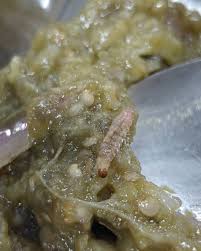
The AIIMS Guwahati episode resonates because it taps into a documented history of hygiene lapses in campus canteens. In the 2024–25 period, FSSAI inspections across several Indian cities uncovered widespread non-compliance, including pest-infested raw materials and lack of proper licensing in student messes.
“When students live in close quarters with shared kitchens, even a small lapse in hygiene can amplify in impact,” observes Dr. Ravi Shankar, a senior consultant in gastroenterology. “However, the opposite is also true: if systems are robust, individual cases are prevented from becoming outbreaks.”
Vigilance vs. Viral Panic
The tension in Guwahati highlights a modern dilemma: how to maintain institutional accountability without succumbing to “viral panic.” Experts suggest that while students must be encouraged to report symptoms immediately, the public should wait for evidence-based reporting.
“The line between vigilance and viral panic is thin,” Dr. Mehta notes. “Students deserve to know if there is a real risk, but institutions must also avoid diluting trust through overly dismissive statements.”
Red Flags: When to Seek Immediate Care
Most mild food-poisoning episodes resolve within 12–48 hours with hydration. However, the National Institute of Diabetes and Digestive and Kidney Diseases (NIDDK) and other authorities recommend immediate medical attention for:
-
High fever (over 102°F or 38.9°C)
-
Bloody diarrhea
-
Persistent vomiting that prevents keeping liquids down
-
Signs of severe dehydration (dark urine, dizziness, extreme thirst)
Practical Tips for Students and Residents
For those relying on institutional messes, public health agencies recommend a “layered” approach to safety:
-
Individual Hygiene: Frequent hand-washing and avoiding food that appears undercooked or is served lukewarm.
-
Observation: Note the timing of symptoms relative to meals and report any “clusters” (multiple friends falling ill simultaneously) to campus health services.
-
Institutional Transparency: Demand visible FSSAI licensing and routine microbiological audits of mess facilities.
The Path Forward: Policy and Trust
For policymakers, the AIIMS Guwahati incident underscores the need for consistent local implementation of FSSAI guidelines. For the public, it serves as a reminder to verify health claims before sharing. As AIIMS Guwahati continues its internal enquiry, the focus remains on balancing rapid risk communication with scientific accuracy—ensuring that student health is protected by data, not just headlines.
References
-
India Today Newswire. (2026, May 2). AIIMS Guwahati denies food poisoning claims, says only one case reported after viral post.
-
Sentinel Assam. (2026, May 1). AIIMS Guwahati Dismisses Viral Food Poisoning Allegations, Assures Student Safety.
-
AIIMS Guwahati. (2026, May 2). Official Statement on Social Media Allegations and Food Safety Measures.
-
FSSAI. (2025). Framework of Food Safety Emergency Response (FSER).
-
Mayo Clinic. (2025, August 15). Food poisoning (foodborne illness) – Symptoms and causes.
-
World Health Organization (WHO). (2024, October 2). Improving food safety: Lessons learned from a food poisoning outbreak.
-
NIDDK. (2025, October 5). Symptoms & Causes of Food Poisoning.
Medical Disclaimer: This article is for informational purposes only and should not be considered medical advice. Always consult with qualified healthcare professionals before making any health-related decisions or changes to your treatment plan. The information presented here is based on current research and expert opinions, which may evolve as new evidence emerges.