 0
0
 0
0
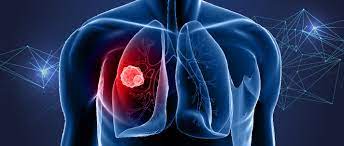
PRAYAGRAJ, INDIA — In a significant leap for medical technology, a collaborative effort between Kamala Nehru Memorial Hospital (KNMH) and IIT Kanpur has produced a portable, AI-enabled screening device designed to detect lung cancer in its earliest, most treatable stages. Showcased this week at the International AI Impact Summit in New Delhi, the device represents a potential shift in how India handles its fastest-rising cancer threat, particularly in rural regions where specialized radiologists and advanced imaging infrastructure are often non-existent.
The Innovation: Bridging the Diagnostic Gap
Lung cancer remains a daunting challenge in the Indian healthcare landscape. With nearly 100 million adult smokers and rising urban air pollution, the disease is projected to affect over 111,000 people annually by the end of 2025. Historically, the “gold standard” for screening—Low-Dose Computed Tomography (LDCT)—has been confined to major metropolitan hospitals due to high costs and the need for bulky equipment.
The new device, developed by IIT Kanpur-incubated startup Lenek Technologies in partnership with KNMH, seeks to democratize this process. By integrating with standard, existing X-ray machines, the AI-driven platform (an evolution of Lenek’s “LIRA” system) analyzes chest radiographs in real-time. It uses deep learning algorithms—similar to those used in facial recognition but trained on thousands of medical images—to identify subtle nodules and anomalies that the human eye might miss in a high-volume clinical setting.
How It Works: A Digital Assistant for Doctors
The technology functions as a high-speed triage tool. Once an X-ray is taken, the AI scans the digital image, flags potential malignancies, and generates a preliminary report within minutes.
“Think of it as a digital assistant that never gets tired,” says a lead engineer from Lenek Technologies. “It doesn’t replace the doctor; it ensures that the most suspicious cases are moved to the top of the pile for immediate attention.”
Key features of the innovation include:
-
Portability: Designed for mobile health camps and rural primary health centers.
-
Speed: Results are processed in under five minutes, allowing for immediate patient counseling.
-
Accessibility: Operates on standard X-ray data, removing the immediate need for a multi-million dollar CT suite.
The project recently gained national prestige by winning the India AI-NCG CATCH Grant Challenge 2026, a government-backed initiative providing up to ₹50 lakh to support AI solutions tailored for resource-limited settings.
The Human Toll: Why Early Detection Matters
In India, the survival rate for lung cancer is notoriously low, primarily because most patients (nearly 70-80%) are diagnosed at Stage III or IV. At these late stages, the cancer has often spread to other organs, making surgery or curative treatment impossible.
According to data from the Indian Journal of Medical Research, early detection via screening can reduce mortality by 13% to 20%. By shifting the point of diagnosis from advanced symptomatic stages to early asymptomatic stages, the medical community hopes to move the needle on patient outcomes.
“This portable AI device could decentralize screening, catching cancers earlier when treatments like surgery offer real cures,” notes Dr. R. Srivani, a pulmonologist and former consultant at AIIMS Delhi. “In a country where one radiologist might be responsible for thousands of patients, AI serves as a vital safety net.”
Public Health Implications and “The Last Mile”
For the National Cancer Grid (NCG), which oversees a network of over 250 hospitals across India, this device offers a solution to the “last mile” problem. By deploying these units in village outreach programs, healthcare providers can screen high-risk groups—specifically smokers over age 50 with a history of heavy tobacco use—without requiring them to travel hundreds of miles to a city.
This aligns with the goals of Ayushman Bharat, India’s national health protection scheme, which emphasizes preventive care and early intervention to reduce the long-term economic burden of chronic diseases.
The Road Ahead: Challenges and Limitations
Despite the excitement surrounding the launch, experts urge a balanced perspective. While the AI has shown high accuracy in trial runs at Kamala Nehru Memorial Hospital, several hurdles remain:
-
Clinical Validation: Extensive peer-reviewed data on the device’s sensitivity (its ability to correctly identify those with the disease) and specificity (its ability to correctly identify those without it) is still pending.
-
The “False Positive” Risk: AI can sometimes flag benign scars or old infections (like treated tuberculosis) as potential cancer. This can lead to “scanxiety” and unnecessary, invasive follow-up biopsies.
-
Infrastructure: While the device is portable, it still requires stable electricity and digital X-ray capabilities, which are still being phased into the remotest parts of the country.
-
Regulatory Approval: The device must still undergo rigorous scrutiny by the Central Drugs Standard Control Organisation (CDSCO) before a full-scale national rollout.
Dr. P. Behera, an oncologist at Tata Memorial Hospital, emphasizes that AI should be viewed as a “filter” rather than a final diagnosis. “AI complements human expertise. It helps us find the needle in the haystack, but the oncologist still needs to decide how to treat the patient.”
Conclusion
The partnership between IIT Kanpur and Kamala Nehru Hospital signals a new era for Indian MedTech—one where high-end academic research meets practical, bedside application. If successful in its wider clinical trials, this portable AI screener could turn the tide against lung cancer, transforming it from a “late-stage death sentence” into a manageable, treatable condition for millions.
Reference Section
- https://health.economictimes.indiatimes.com/news/diagnostics/kamala-nehru-hosp-iit-k-develop-ai-device-for-detection-of-lung-cancer/128586764?utm_source=top_story&utm_medium=homepage
Medical Disclaimer: This article is for informational purposes only and should not be considered medical advice. Always consult with qualified healthcare professionals before making any health-related decisions or changes to your treatment plan. The information presented here is based on current research and expert opinions, which may evolve as new evidence emerges.