 0
0
 0
0
NEW DELHI — In a significant move to bridge the gap between traditional medicine and affordable healthcare, the Ministry of Chemicals and Fertilizers, in coordination with the Ministry of Ayush, announced on March 27, 2026, the inclusion of five core Ayurvedic formulations into the Pradhan Mantri Bhartiya Janaushadhi Pariyojana (PMBJP) product basket.
This expansion allows citizens to purchase standardized Ayurvedic products, including Ashwagandha and Chyawanprash, at Jan Aushadhi Kendras (JAKs) nationwide at prices 50% to 80% lower than branded alternatives. The initiative aims to provide evidence-based, quality-controlled traditional supplements to a population increasingly seeking holistic health solutions without the burden of high “out-of-pocket” expenses.
The New “Ayush Five”: What’s on the Shelf?
The Pharmaceuticals and Medical Devices Bureau of India (PMBI) selected these five products based on high market demand and feedback from citizens:
-
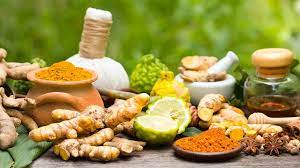
Chyawanprash Special (500g and 1kg variants)
-
Triphala
-
Ashwagandha
-
Shilajit
While these supplements have been staples of Indian households for generations, their inclusion in the PMBJP scheme marks a formal shift toward integrating Ayush (Ayurveda, Yoga, Naturopathy, Unani, Siddha, and Homoeopathy) into the mainstream public health supply chain.
Rigorous Quality Control: Addressing the Skepticism
A primary concern for consumers regarding herbal supplements is the consistency of active ingredients and the presence of heavy metals or contaminants. To address this, the government has mandated a “three-tier” quality assurance protocol for all Ayush products sold through the network.
-
WHO-GMP Certification: Products are only sourced from manufacturing plants certified for Good Manufacturing Practices by the Central Drugs Standard Control Organisation (CDSCO).
-
100% Pre-Testing: Every single batch of medicine is sampled and tested anonymously at independent labs before being dispatched to the 18,646 Jan Aushadhi Kendras currently operational across India.
-
GLP-Compliant Labs: Testing is restricted to laboratories accredited by the National Accreditation Board for Testing and Calibration Laboratories (NABL).
“By applying the same rigorous testing standards to Ayurvedic formulations as we do to allopathic generics, we are ensuring that ‘affordable’ does not mean ‘compromised quality,'” stated a representative from the Ministry of Ayush.
Expert Perspective: Integrating Tradition with Safety
Independent medical experts suggest that while making these supplements affordable is a positive step for health equity, consumer education remains vital.
“The inclusion of Ashwagandha and Triphala in the Jan Aushadhi basket is a welcome move for those who use these as supportive therapies for stress or digestive health,” says Dr. Ananya Sharma, a Consultant of Internal Medicine based in Mumbai, who was not involved in the policy rollout. “However, it is crucial for patients to remember that ‘natural’ is not synonymous with ‘harmless.’ Ashwagandha, for instance, can interact with thyroid medications or immunosuppressants. Patients should always disclose their use of these supplements to their primary care physician.”
Economic Impact and Public Health Reach
The PMBJP scheme has been a cornerstone of India’s strategy to reduce healthcare costs. Over the last 11 years, the government reports a total saving of ₹40,000 crores for citizens through the use of Janaushadhi products.
As of late February 2026, the network has grown to over 18,600 outlets. In states like Chhattisgarh, where 352 stores are now operational, the availability of low-cost Ayurvedic options is expected to significantly impact rural and semi-urban populations who traditionally rely on herbal medicine but often struggle with the inconsistent quality of unregulated local markets.
Modernizing Regulation: The AOGUSY Scheme
The government’s push is supported by the “Ayush Oushadhi Gunavatta evam Uttpadan Samvardhan Yojana” (AOGUSY), a ₹122-crore central scheme launched in 2021-22. This initiative focuses on upgrading small-scale Ayush pharmacies and strengthening state drug testing laboratories. Currently, 34 state-run labs and 108 licensed private laboratories have been empowered to monitor the identity, purity, and strength of these traditional formulations.
Furthermore, the Ministry of Ayush has published a National List of Essential Ayush Medicines (NLEAM). Similar to the National List of Essential Medicines (NLEM) for allopathy, this list uses criteria such as safety, cost-effectiveness, and evidence-based usage to ensure that only the most necessary and proven formulations are prioritized for public procurement.
Limitations and Moving Forward
Despite the robust testing framework, some researchers point out that Ayurvedic “standardization” is inherently complex. Unlike a single-molecule drug like Paracetamol, a botanical extract like Shilajit contains a complex matrix of fulvic acids and minerals that can vary based on the source.
Critics also note that while the current “Ayush Five” are popular, a broader range of formulations might be needed to address chronic conditions. The government has signaled that the product basket is reviewed periodically by a committee to evaluate off-patent medicines and market demand, suggesting more additions may follow.
For the average consumer, this development means that the next time they visit a Jan Aushadhi Kendra for their blood pressure or diabetes medication, they can also access quality-assured Ayurvedic supplements at a fraction of the market cost, provided they do so under professional guidance.
References
-
Government Source: Press Information Bureau (PIB) Delhi, “Ayush Formulations in PMBJP,” March 27, 2026.
Medical Disclaimer: This article is for informational purposes only and should not be considered medical advice. Always consult with qualified healthcare professionals before making any health-related decisions or changes to your treatment plan. The information presented here is based on current research and expert opinions, which may evolve as new evidence emerges.
Annexure
District-wise number of JAKs opened in the State of Chhattisgarh as on 28.02.2026
| Sl. No. | District Name | Number of Kendras |
| 1 | Bastar | 11 |
| 2 | Bilaspur | 20 |
| 3 | Dakshin Bastar Dantewada | 2 |
| 4 | Dhamtari | 10 |
| 5 | Durg | 61 |
| 6 | Janjgir-Champa | 10 |
| 7 | Jashpur | 9 |
| 8 | Uttar Bastar Kanker | 4 |
| 9 | Kabirdham | 7 |
| 10 | Korba | 12 |
| 11 | Koriya | 3 |
| 12 | Mahasamund | 11 |
| 13 | Raigarh | 12 |
| 14 | Raipur | 42 |
| 15 | Rajnandgaon | 19 |
| 16 | Surguja | 5 |
| 17 | Bijapur | 3 |
| 18 | Narayanpur | 3 |
| 19 | Sukma | 1 |
| 20 | Kondagaon | 7 |
| 21 | Balodabazar-Bhatapara | 22 |
| 22 | Gariyaband | 7 |
| 23 | Balod | 8 |
| 24 | Mungeli | 8 |
| 25 | Surajpur | 7 |
| 26 | Balrampur-Ramanujganj | 7 |
| 27 | Bemetara | 10 |
| 28 | Gaurela-Pendra-Marwahi | 5 |
| 29 | Khairagarh-Chhuikhadan-Gandai | 7 |
| 30 | Manendragarh-Chirmiri-Bharatpur(M C B) | 6 |
| 31 | Mohla-Manpur-Ambagarh Chowki | 4 |
| 32 | Sakti | 5 |
| 33 | Sarangarh-Bilaigarh | 4 |
| Total | 352 | |