 0
0
 0
0
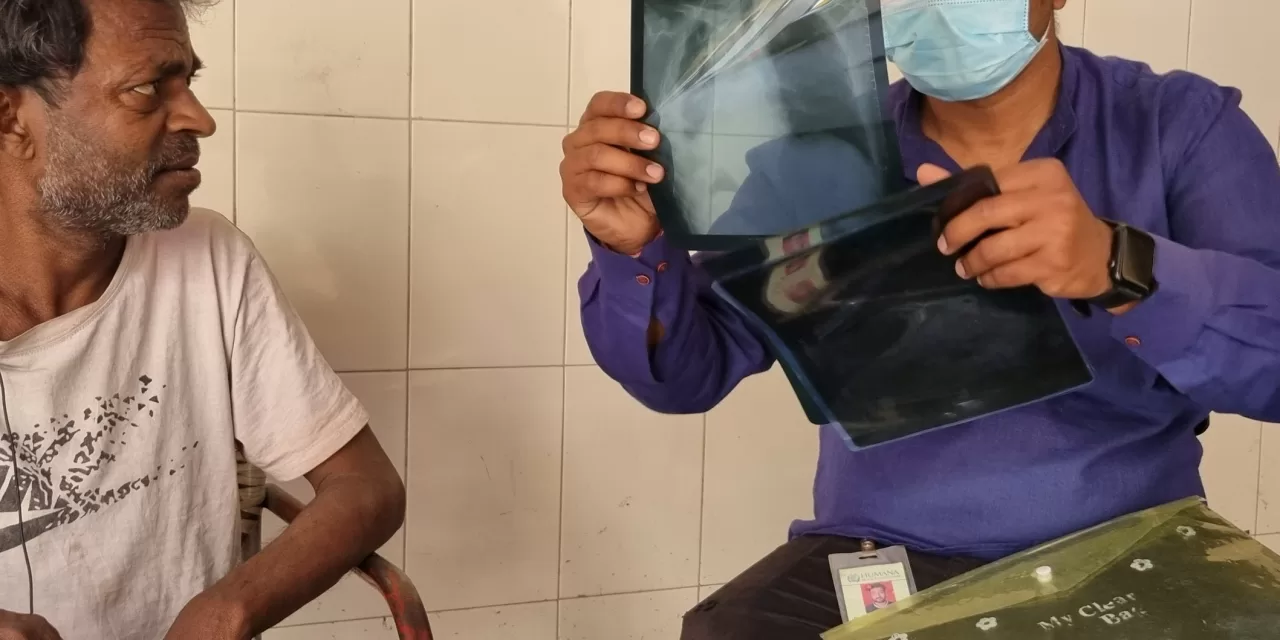
Tuberculosis (TB), a persistent global health threat, has long challenged early detection and prevention efforts. New research from eastern China reveals that individuals with abnormal chest X-rays face a staggering 17-fold higher risk of developing tuberculosis, underscoring the pivotal role of chest radiography in identifying high-risk populations and enabling timely interventions. This landmark study, conducted on over 180,000 elderly participants, offers promising directions for TB control strategies worldwide.
The study, published in November 2025 in Nature Communications, involved a mass screening of 183,808 elderly individuals in eastern China between March and October 2020. Researchers employed chest X-rays to classify participants based on lung abnormalities, followed by confirmatory testing and a two-year follow-up to track TB incidence. Findings showed that abnormal or suspicious chest X-rays strongly predicted future development of TB, with those showing signs suggestive of active TB experiencing an annualised incidence rate of 1,525 cases per 100,000 person-years—compared to only 61 per 100,000 in participants with normal X-rays. This translates to a 16.7-fold elevated risk for those with abnormal radiographs.
Key Findings and Developments
The implications of these findings are profound. Mass chest X-ray screening, a traditionally diagnostic tool, demonstrated clear predictive value in identifying those at imminent risk of TB development. Even individuals with uncertain or stable abnormalities had a significantly higher TB risk than those with normal lung images—a nuance that enables precision-targeted preventive therapy.
Dr. Ping Zhu, lead author from the study team, emphasized, “Our research highlights that chest X-rays are not only diagnostic but prognostic tools. Prioritizing preventive interventions for people with abnormal radiographs could notably reduce transmission and mortality”.
External experts echo the significance. Dr. Maya Thompson, a pulmonologist not involved in the study, noted, “Chest X-rays have long been used to detect active TB, but this study validates their role in identifying subclinical disease or early lung changes that precede clinical symptoms. This could reshape TB screening policies globally, especially in high-burden countries.”
Dr. Thompson added that combining chest X-rays with newer molecular tests like GeneXpert MTB/RIF enhances diagnostic accuracy and helps tailor interventions more effectively.
Context and Background
TB, caused by Mycobacterium tuberculosis, remains one of the top infectious killers worldwide, with over 1.5 million deaths annually despite ongoing efforts. Early detection is notoriously difficult, as many infected individuals remain asymptomatic or present with nonspecific symptoms until disease progression.
Chest X-rays can detect various TB-related lung abnormalities such as infiltrates, cavitation, pleural effusion, and lymphadenopathy, often before symptoms manifest. These radiographic features help differentiate active TB from latent or past infections but require expert interpretation and confirmatory bacteriological testing.
Recent advancements include using computer-aided detection and artificial intelligence to improve X-ray reading accuracy, mitigating challenges associated with interobserver variability especially in resource-limited settings.
The study’s findings provide a robust rationale for integrating chest X-ray screening into TB prevention frameworks, especially for high-risk groups such as the elderly or those with known TB exposure. By identifying individuals at elevated risk, healthcare systems can direct preventive therapy—such as isoniazid or rifapentine regimens—more efficiently, potentially curbing disease spread and reducing healthcare costs.
Further, routine chest X-ray screening can facilitate detecting subclinical TB stages, allowing intervention before symptom onset and infectiousness, impacting TB’s transmission dynamics on a population scale.
Limitations and Counterarguments
Despite the promise, certain limitations warrant caution. Chest X-rays lack perfect specificity; abnormalities may result from other lung diseases, including non-TB infections or chronic conditions. This can lead to overdiagnosis or unnecessary treatment if used in isolation.
Additionally, access to quality radiographic equipment and trained personnel remains limited in many low-resource settings—precisely where TB burden is highest. Thus, chest X-ray screening must be part of a comprehensive diagnostic algorithm including molecular and culture-based tests to confirm TB diagnosis.
Moreover, the study cohort drawn from elderly Chinese adults may limit generalizability to other age groups or geographic regions with differing TB epidemiology.
Practical Implications for Readers
For health-conscious individuals and clinicians alike, these findings reinforce the importance of chest X-rays in TB risk assessment, particularly for those with known exposure or residing in high-TB-prevalence areas. If an abnormality appears on a chest X-ray, further evaluation and perhaps preventive treatment should be strongly considered to reduce future TB risk.
Routine health screenings incorporating chest radiography could become a cornerstone of proactive TB control strategies, transforming how this ancient disease is tackled in modern healthcare.
Medical Disclaimer: This article is for informational purposes only and should not be considered medical advice. Always consult with qualified healthcare professionals before making any health-related decisions or changes to your treatment plan. The information presented here is based on current research and expert opinions, which may evolve as new evidence emerges.
References