 0
0
 0
0
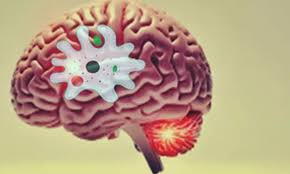
For decades, a diagnosis of Balamuthia mandrillaris has been considered a virtual death sentence. This soil-dwelling, free-living amoeba—often colloquially grouped with “brain-eating” organisms—invades the central nervous system to cause granulomatous amebic encephalitis (GAE), a condition with a staggering mortality rate of nearly 90%. However, a breakthrough in drug repurposing is offering a flicker of hope where there was once only a grim prognosis.
Recent clinical evidence and laboratory screenings have identified nitroxoline, an antibiotic traditionally used to treat urinary tract infections (UTIs) in Europe and Asia, as a potent weapon against this elusive killer. While the drug is not currently FDA-approved for this use in the United States, its inclusion in updated Centers for Disease Control and Prevention (CDC) treatment guidance marks a pivotal shift in the fight against one of the world’s deadliest pathogens.
The Hunt for a Killer’s Weakness
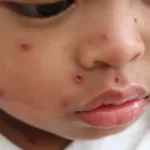
Balamuthia mandrillaris was first identified in the late 1980s, but it remains a mystery to many in the medical community. It enters the body through dust inhalation or contaminated skin wounds, eventually migrating to the brain. Because the infection is so rare, it is frequently misdiagnosed as a tumor or tuberculosis, delaying the critical window for intervention.
The standard treatment cocktail—a grueling regimen involving up to six different antimicrobial and antifungal drugs—often fails. “Outcomes have been inconsistent,” notes a 2023 report in Emerging Infectious Diseases, “and the concentrations of standard drugs required to kill the amoeba in a lab are often higher than what the human body can safely tolerate.”
Enter the strategy of drug repurposing. Rather than spending a decade and billions of dollars developing a new compound, researchers began “library screening”—testing thousands of existing, safe-to-use medications against Balamuthia in petri dishes.
Key Research Findings
-
The 2018 Breakthrough: A landmark study published in mBio screened 2,177 approved drugs. Nitroxoline emerged as the clear frontrunner, showing “potent amoebicidal activity” (the ability to kill the amoeba) without destroying healthy host cells.
-
A Living Proof of Concept: In 2023, a case study in California documented a patient who survived Balamuthia GAE after nitroxoline was added to their treatment regimen. This clinical success provided the real-world evidence needed to move the drug from the lab to the bedside.
-
The Mechanism of Action: Preliminary data from 2025 suggests nitroxoline works through “metal chelation”—essentially starving the amoeba of the copper and iron it needs to function.
Expert Perspectives: A Cautious “Game Changer”
Public health officials are cautiously optimistic. The CDC now lists nitroxoline as an investigational option for Balamuthia infections, though they emphasize it must be obtained through an expanded-access program.
“Nitroxoline is no longer just a laboratory curiosity,” says one infectious disease specialist not involved in the original studies. “It is now a drug that the CDC considers worthy of emergency access in the most severe cases. For a disease this lethal, having any validated new tool is a massive step forward.”
However, experts urge a balanced view. While nitroxoline is a promising candidate, it is not a “magic bullet.” The disease remains exceptionally difficult to treat because the amoeba can form protective cysts that shield it from medications.
Why Repurposing Matters for Rare Diseases
The significance of this story extends beyond a single amoeba. For many rare diseases, the “patient population” is too small for traditional, large-scale clinical trials. Drug repurposing offers a faster, more cost-efficient pathway to discovery.
A 2024 review in Frontiers in Medicine highlighted that repurposing is one of the most vital opportunities to address unmet therapeutic needs. By building on medicines with established safety profiles, researchers can bypass early-stage safety trials, potentially saving lives in the process.
“In practical terms, patients with rare diseases benefit sooner when we can build on what we already know, rather than starting from zero,” the review states.
Public Health Implications and Limitations
While the news is encouraging, Balamuthia GAE remains a public health challenge for several reasons:
-
Diagnostic Delays: Because the disease is so rare, many doctors never see a case in their entire careers. Early recognition remains the greatest barrier to survival.
-
Limited Access: In the U.S., nitroxoline is “investigational.” It isn’t sitting on pharmacy shelves; it requires hospital coordination with the CDC’s Emergency Operations Center.
-
Small Data Pool: One successful case and one lab screen do not constitute a definitive cure. The medical community still needs to define the optimal dosage and duration of treatment.
Statistical Context
To understand the rarity: Since its discovery, only about 200 cases have been reported worldwide. This makes every survival case, like the 2023 California patient, a monumental achievement for medical science.
What This Means for You
For the general public, the risk of contracting Balamuthia is infinitesimally low. However, this development serves as a powerful example of how modern medicine is evolving to tackle “orphaned” diseases that were once forgotten.
If you or a loved one are concerned about rare environmental infections, the best defense is awareness:
-
Clean Wounds: Always wash skin abrasions thoroughly, especially if they occurred while gardening or working with soil.
-
Consult Specialists: In cases of unexplained, worsening neurological symptoms, advocate for a consultation with an infectious disease specialist.
The story of nitroxoline is a testament to scientific persistence. It proves that sometimes, the answer to a modern medical nightmare is a drug that has been hiding in plain sight for decades.
References
- https://www.earth.com/news/repurposed-drug-offers-hope-for-one-of-the-worlds-rarest-diseases/
Medical Disclaimer: This article is for informational purposes only and should not be considered medical advice. Always consult with qualified healthcare professionals before making any health-related decisions or changes to your treatment plan. The information presented here is based on current research and expert opinions, which may evolve as new evidence emerges.