 0
0
 0
0
April 29, 2026
In a landmark decision for North American healthcare, Health Canada has authorized the first generic version of semaglutide, the blockbuster active ingredient in the diabetes medication Ozempic. This move makes Canada the first G7 nation to green-light a generic competitor to Novo Nordisk’s dominant GLP-1 therapy. The approval, granted to India-based Dr. Reddy’s Laboratories on April 28, 2026, signals a major shift in the accessibility of high-demand metabolic treatments and sets the stage for a significant reduction in costs for millions of patients.
The authorization arrives as the healthcare system grapples with “Ozempic-mania,” a phenomenon that has seen demand for semaglutide skyrocket, often leading to supply shortages and financial strain for uninsured patients. With eight additional generic applications currently under review by Health Canada, the monopoly on semaglutide is officially ending, promising a more competitive and affordable landscape for endocrinology.
What the Approval Means for Patients
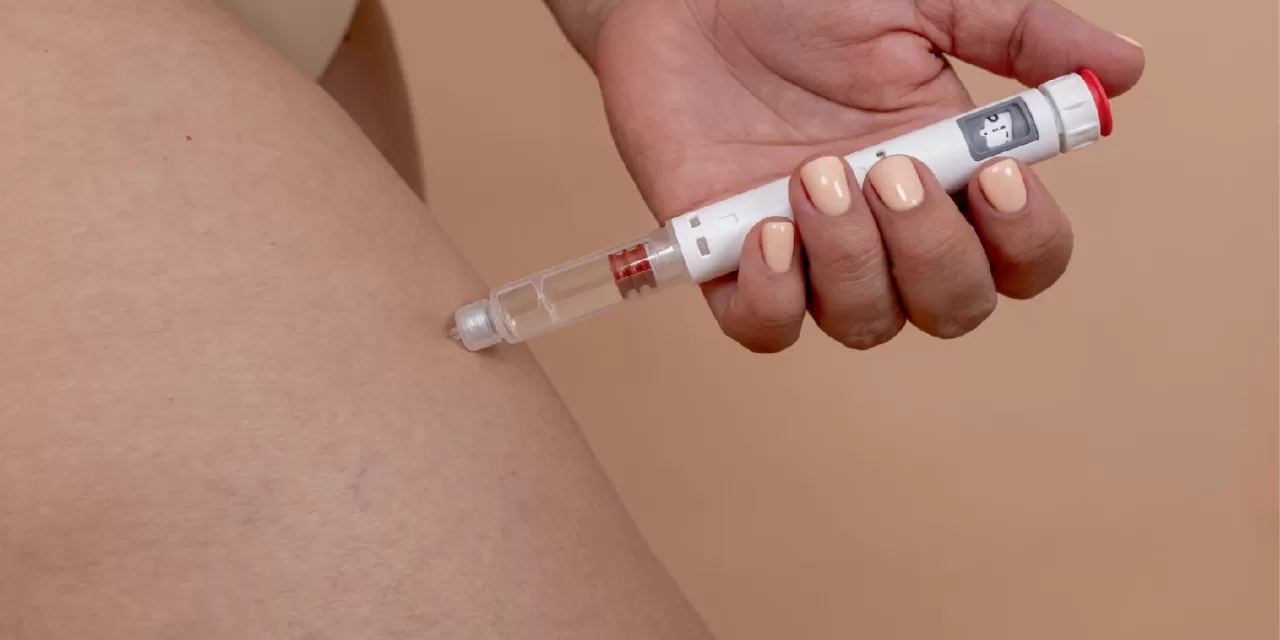
The newly approved generic semaglutide injection is authorized for the same primary indication as the brand-name Ozempic: a once-weekly injection for adults with type 2 diabetes to improve glycemic control.
Health Canada’s review process confirmed that Dr. Reddy’s product is “pharmaceutically equivalent” to the originator. This means it contains the same active ingredient, strength, and dosage form. According to regulatory standards, no meaningful differences in safety or effectiveness are expected.
The Financial Impact
The most immediate benefit for Canadians is expected to be the price tag. Historically, generic medications in Canada enter the market at 45% to 90% lower costs than their brand-name counterparts. For a drug like Ozempic, which can cost patients without comprehensive insurance hundreds of dollars per month, this reduction is a critical lifeline.
“If we can keep patients on medications that clearly reduce complications—like heart attacks, strokes, and kidney disease—while also helping them lose weight, that’s a win for both individuals and the system,” noted Dr. Daniel Drucker, a renowned endocrinologist and diabetes researcher at the University of Toronto, in a recent commentary on the generic landscape.
The Science of Generic Biologics
Semaglutide is a peptide biologic, a complex molecule that is more difficult to replicate than simple chemical aspirin. Unlike “biosimilars”—which are “highly similar” versions of large-molecule biologics—Health Canada is treating these semaglutide products as true generics because the molecule is well-characterized enough to be replicated exactly.
Despite the “equivalent” label, experts urge a cautious approach to the rollout. Dr. Mitchell Levine, a pharmacoeconomist at McMaster University, emphasized the importance of monitoring. “The approval means the generic is expected to be as good as the brand, but we still need post-market surveillance to watch for any unexpected events,” he stated, referring to the complexities of injectable manufacturing.
Statistical Context: Diabetes in Canada
The urgency for affordable semaglutide is underscored by the current metabolic health crisis in Canada. According to data from Diabetes Canada and the Public Health Agency of Canada:
-
11.7 million Canadians live with diabetes or prediabetes.
-
Type 2 diabetes accounts for approximately 90% of all diagnosed cases.
-
Studies show that cost-related non-adherence affects roughly 1 in 10 Canadians, leading to higher rates of preventable complications like kidney failure and vision loss.
By lowering the barrier to entry, generic semaglutide could significantly improve these outcomes across diverse demographic groups, particularly those in lower-income brackets who often face the highest burden of chronic disease.
Limitations and Potential Hurdles
While the news is largely positive, health experts highlight several important caveats:
-
Indication Limits: The generic is approved for type 2 diabetes only. It is not currently authorized for weight management (the indication for Wegovy). Using the generic solely for weight loss remains an “off-label” use.
-
Market Lag: Approval does not equal immediate shelf availability. Manufacturers must still scale production and negotiate with provincial drug plans. Analysts suggest broad availability may not occur until the third quarter of 2026.
-
Side Effects: The generic carries the same risk profile as Ozempic, including gastrointestinal issues (nausea, vomiting) and rare but serious risks like pancreatitis.
-
The “Cosmetic” Concern: Some clinicians worry that lower prices might fuel the use of semaglutide for “cosmetic” weight loss among low-risk individuals, potentially diverting supply from those with the highest clinical need.
Practical Advice for Readers
For those currently managing type 2 diabetes, the arrival of a generic option requires a proactive approach:
-
Consult Your Provider: Do not switch medications without a clinical consultation. Your doctor needs to ensure the generic fits your specific treatment plan.
-
Check Your Coverage: Coverage will vary by province and private insurance provider. Ask your pharmacist when the generic will be added to your specific formulary.
-
Holistic Management: Semaglutide is most effective when paired with lifestyle interventions. Continue to prioritize nutrition and physical activity as foundational elements of your care.
Looking Forward
As the first G7 country to break the semaglutide patent barrier, Canada is now a global test case. The world will be watching to see how increased access impacts public health budgets and whether the transition from brand-name to generic maintains the high standard of care patients have come to expect.
Medical Disclaimer: This article is for informational purposes only and should not be considered medical advice. Always consult with qualified healthcare professionals before making any health-related decisions or changes to your treatment plan. The information presented here is based on current research and expert opinions, which may evolve as new evidence emerges.
References
- https://www.reuters.com/legal/litigation/health-canada-approves-first-generic-version-novo-nordisks-ozempic-2026-04-28/