 0
0
 0
0
Music from our teenage years leaves a profound and lasting emotional imprint on our memory, shaping identity and emotional experiences well into adulthood. A major global study conducted by the University of Jyväskylä involving nearly 2,000 participants from 84 countries has revealed that the most meaningful music for individuals tends to originate from adolescence, typically around age 17. This phenomenon, known as the “reminiscence bump,” reflects how the teenage brain’s heightened emotional receptivity and ongoing development imprint deep, vivid memories tied to music, making those songs a powerful marker of identity and emotional growth.
Key Findings from the Global Study
The study highlights that music is more than entertainment; it serves as an emotional archive preserving significant moments in people’s lives. Dr. Iballa Burunat, the lead researcher, explains that the adolescent brain acts like a sponge—charged with curiosity and craving reward, yet lacking a fully developed filter for experiences. This biological state leads to intense emotional experiences during adolescence, which music captures deeply, thereby imprinting memories that persist over a lifetime.
The research uncovers notable gender differences: men’s reminiscence bump peaks earlier, generally around age 16, whereas women’s musical memory peak often occurs later, close to age 19. This difference is believed to stem from psychological and social factors—men tend to form musical identities earlier through independence and peer bonding, while women’s musical identities evolve more gradually, incorporating emotional connections and life milestones continuing into young adulthood.
Neuroscientific Context and Emotional Impact
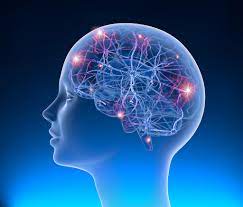
The adolescent brain’s reward system is particularly sensitive during teenage years, amplifying the emotional response to music. Neuroscientific insights note that brain regions involved in emotional regulation and reward processing, including the orbitofrontal cortex and amygdala, are highly active when listening to music linked to personal memories. This heightened neural activity helps explain why songs from one’s teens can evoke powerful emotions such as nostalgia, joy, or even solace during difficult times.
Music acts as a non-verbal emotional time machine, bypassing language centers to trigger vivid recollections of past contexts, feelings, and social connections. For many, these songs evoke memories of first loves, friendships, and pivotal life events. Furthermore, music’s unfolding structure—its rhythm and melody—provides a sequential timeline that enhances the cognitive recall of autobiographical experiences.
Broader Implications for Public Health and Wellbeing
Understanding music’s role in emotional memory formation has practical implications for mental health and wellbeing. Music engagement during adolescence supports identity expression and emotional regulation, essential developmental milestones. Therapeutic uses of music in psychology and psychiatry can leverage this deep emotional connection to aid healing, stress reduction, and mood stabilization across the lifespan.
Moreover, the study emphasizes that musical memory is dynamic rather than static. While many adults retain strong attachments to teenage songs, later life experiences also shape musical preferences, especially for women, reflecting ongoing emotional and identity evolution. This adaptability underpins music’s continuous role in fostering emotional resilience and social bonding.
Limitations and Counterpoints
Although the study provides compelling evidence from a large, global sample, it relies on self-reported musical memories, which may be influenced by cultural, social, and personal biases. Quantitative brain imaging or longitudinal data would enrich understanding of the causal neural mechanisms underlying these effects. Additionally, individual differences such as musical training, personality traits, or neurological conditions could modulate how music impacts memory formation and emotional identity.
Expert Perspectives
Dr. Burunat notes, “The persistence of the reminiscence effect shows how fundamental music is in identity formation.” Psychological research supports this view, suggesting that music helps young people navigate emotional complexities and social dynamics crucial for healthy maturation.
Music therapists and neuroscientists emphasize that these findings validate the emotional and cognitive benefits of musical engagement throughout life, advocating for integrating music into wellness strategies to enhance emotional health and cognitive function.
Practical Takeaways for Readers
For readers, these findings underscore the importance of music not just as entertainment but as an integral part of emotional development and memory. Engaging with music—whether revisiting beloved teenage songs or exploring new sounds—can be a meaningful way to connect with personal history, evoke positive emotions, and support mental health. Encouraging musical activities in adolescence and beyond may foster resilience, creativity, and social connectedness.
Medical Disclaimer
Medical Disclaimer: This article is for informational purposes only and should not be considered medical advice. Always consult with qualified healthcare professionals before making any health-related decisions or changes to your treatment plan. The information presented here is based on current research and expert opinions, which may evolve as new evidence emerges.
References