 0
0
 0
0
West Nile virus infections in the United States are running about 40% higher than usual this year, with more than 770 cases—including roughly 490 severe neurological illnesses—reported as of early September, according to the Centers for Disease Control and Prevention (CDC). The increase has prompted heightened public health warnings across states like Massachusetts and Colorado, as August and September remain peak months for mosquito-borne transmission. Experts attribute the surge not to an increase in mosquito populations but rather a higher infection rate among mosquitoes, influenced by weather conditions and ecological factors. This article explores the latest developments, expert perspectives, and what individuals can do to protect themselves.
Elevated West Nile Virus Activity in 2025
The CDC reports that by early September 2025, over 770 human cases of West Nile virus (WNV) had been confirmed in 39 states, marking a 40% increase over the average number of cases—typically around 550 by this time of year—with severe neuroinvasive cases rising from 350 to approximately 490. These severe cases involve inflammation of the brain or spinal cord, leading to serious neurological damage and sometimes death. Historically, the U.S. experienced a peak of nearly 10,000 cases in 2003, and the disease now averages around 2,000 cases annually with roughly 120 deaths.
Dr. Robbie Goldstein, Massachusetts’ public health commissioner, emphasized the serious nature of WNV this season: “West Nile virus can be a very serious disease and its presence in mosquitoes remains high right now in Massachusetts,” urging residents to use insect repellents and wearing protective clothing outdoors through the mosquito season that lasts until the first hard frost.
Understanding West Nile Virus and Transmission
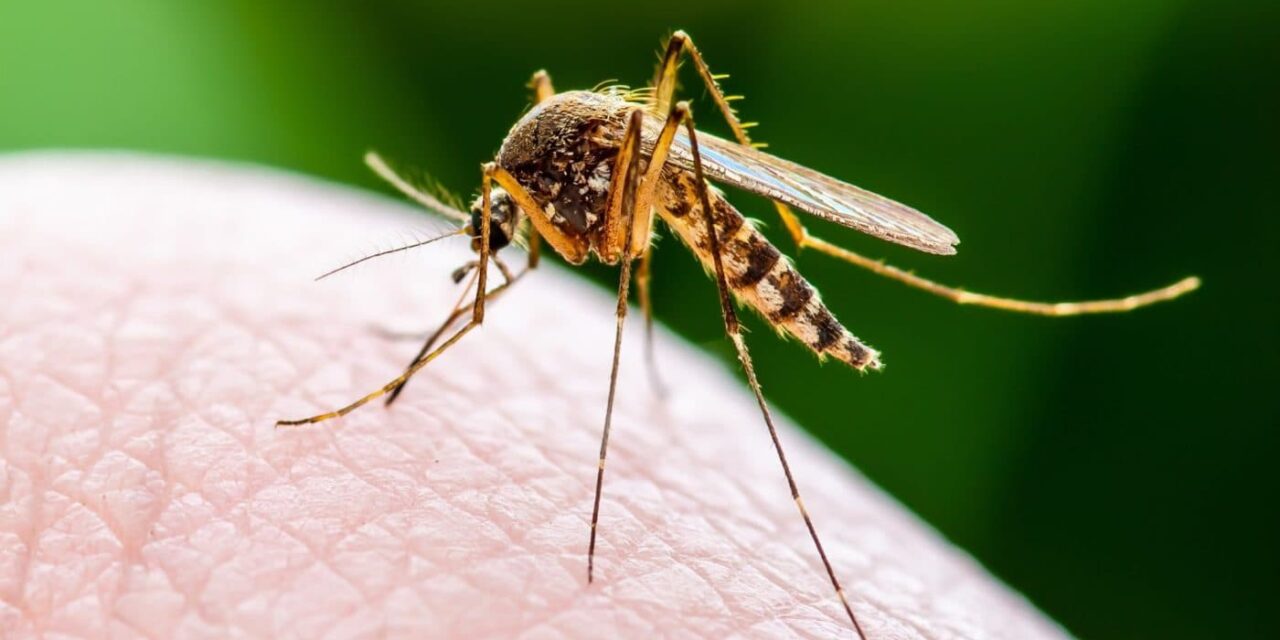
West Nile virus is a mosquito-borne flavivirus first identified in the U.S. in 1999 in New York, gradually spreading across the continental states. Transmission primarily occurs via bites from infected Culex mosquitoes, which acquire the virus from feeding on infected birds—the natural reservoir hosts. Most infected individuals remain asymptomatic or experience mild symptoms such as headache, body aches, joint pain, nausea, diarrhea, and rashes. However, in about 1 in 150 cases, the virus invades the central nervous system, causing encephalitis, meningitis, or acute flaccid paralysis. Mortality primarily affects older adults or those with weakened immune systems.
Drivers of This Year’s Surge
Interestingly, the current high case counts do not stem from more mosquitoes but from a greater proportion of mosquitoes carrying the virus. This is influenced by weather patterns; 2025 has seen a mix of wet and warm conditions conducive to mosquito breeding and viral replication. For instance, in Fort Collins, Colorado—a hotspot for WNV—surveys indicated 35 infected female mosquitoes per 1,000 captured, compared to an expected 8 per 1,000 at this time of year.
Climate change continues to lengthen the mosquito season in many regions, heightening transmission risks. Vector control efforts vary by location but generally include reducing standing water, mosquito monitoring, and pesticide applications. Still, challenges remain due to ecological complexity and limitations in resources.
Public Health Response and Expert Commentary
Health authorities nationwide have increased surveillance and public warnings. CDC entomologist Roxanne Connelly highlights the importance of local monitoring to detect unusual viral activity in mosquito populations early. Experts also stress that while vaccines for West Nile virus in humans remain unavailable, personal protective measures are crucial.
Dr. Allan S. Brett, an infectious disease expert, observes that the current uptrend aligns with cyclical patterns of WNV epidemics influenced by environmental conditions and emphasizes the need for continued preparedness. Meanwhile, research into vaccine development and innovative vector control strategies—including genetically modified mosquitoes—is ongoing but not yet ready for widespread use.
What This Means for Individuals
Given the heightened activity, individuals should remain vigilant, especially during dawn and dusk when mosquitoes are most active. Practical steps include:
-
Wearing long-sleeved shirts and pants outdoors
-
Using EPA-registered insect repellents containing DEET, picaridin, or IR3535
-
Eliminating standing water around homes to reduce mosquito breeding sites
-
Ensuring window and door screens are intact to prevent mosquito entry indoors
Those experiencing symptoms such as fever, headaches, body aches, or neurological signs like confusion should seek medical attention promptly. Early detection and supportive care improve outcomes for severe cases.
Limitations and Counterpoints
While the current figures are concerning, mortality data remain preliminary and require cautious interpretation. Additionally, many mild or asymptomatic infections go unreported, suggesting the true number of infections may be substantially higher. Geographic variability exists, with some states like Colorado reporting disproportionately higher cases due to local ecological factors. Surveillance also depends on healthcare access and testing availability, which may affect reported incidence.
Public Health Implications and Future Outlook
The West Nile virus surge highlights ongoing public health challenges posed by mosquito-borne diseases amid changing environmental conditions. It underscores the need for sustained vector control programs, public education, and investment in research for better preventive tools. Extended mosquito seasons due to climate change may increase the frequency and geographic range of outbreaks, necessitating adaptive strategies.
Health officials continue to monitor the situation closely as the season progresses, with the reminder that protective behaviors remain the best defense for individuals and communities.
Medical Disclaimer: This article is for informational purposes only and should not be considered medical advice. Always consult with qualified healthcare professionals before making any health-related decisions or changes to your treatment plan. The information presented here is based on current research and expert opinions, which may evolve as new evidence emerges.
References: