 0
0
 0
0
SALUDA COUNTY, SC — The South Carolina Department of Public Health (DPH) confirmed a second case of measles in Saluda County on May 4, 2026. This latest infection is directly linked to an initial case reported on April 17 involving international travel. While health officials state the risk to the general public remains low due to strict quarantine measures, the development arrives as the United States faces a significant resurgence of the virus, with 1,814 confirmed cases reported nationwide this year.
The second patient, an adult, was already under supervised quarantine as a known contact of the first case. Because the individual was isolated before becoming symptomatic, the DPH reports there were no new public exposures. Currently, 39 other individuals remain in quarantine through May 9 to ensure the cluster is fully contained.
“All measures to limit this initial exposure and prevent further cases have been successful so far,” said Dr. Brannon Traxler, DPH Deputy Director and Chief Medical Officer. “Because the individual was already quarantining, no one else was exposed when symptoms developed.”
A Tale of Two Outbreaks
This Saluda County cluster follows on the heels of a much larger, unrelated crisis in South Carolina’s Upstate region. That outbreak, which saw 997 cases between October 2025 and March 2026, was officially declared over on April 26.
While the Upstate outbreak was characterized by community spread, the Saluda cases highlight a different, persistent threat: international importation. Measles remains endemic in many parts of the globe, and as international travel has returned to pre-pandemic levels, the virus frequently hitches a ride across borders into domestic “pockets” of low vaccination.
The National Landscape: 2026 by the Numbers
The U.S. is currently grappling with a measles landscape not seen in decades. According to the Centers for Disease Control and Prevention (CDC), as of April 30, 2026, cases have been confirmed across 37 jurisdictions.
| Metric | 2026 Year-to-Date Data (as of April 30) |
| Total Confirmed Cases | 1,814 |
| Outbreak-Associated | 93% (1,688 cases) |
| Unvaccinated Status | 92% of cases |
| Hospitalization Rate | 6% (105 individuals) |
| Deaths | 0 (compared to 3 in 2025) |
The demographics of the current surge show that the virus is primarily finding a foothold among the young. Children and adolescents aged 5–19 account for 51% of all cases, while children under five represent 21%.
Why Measles is Different
Measles is not “just a rash.” It is one of the most contagious diseases known to science. To put it in perspective, the virus can linger in the air for up to two hours after an infected person has left a room.
“Measles is far more infectious than COVID-19 or the seasonal flu,” explains Dr. Joshua Barocas, an infectious disease expert with the Infectious Diseases Society of America (IDSA). “In a susceptible group, one person can infect between 12 and 18 others.”
The virus typically follows a specific clinical progression:
-
Incubation: 7–14 days post-exposure with no symptoms.
-
Prodromal Phase: High fever, cough, runny nose (coryza), and red, watery eyes (conjunctivitis).
-
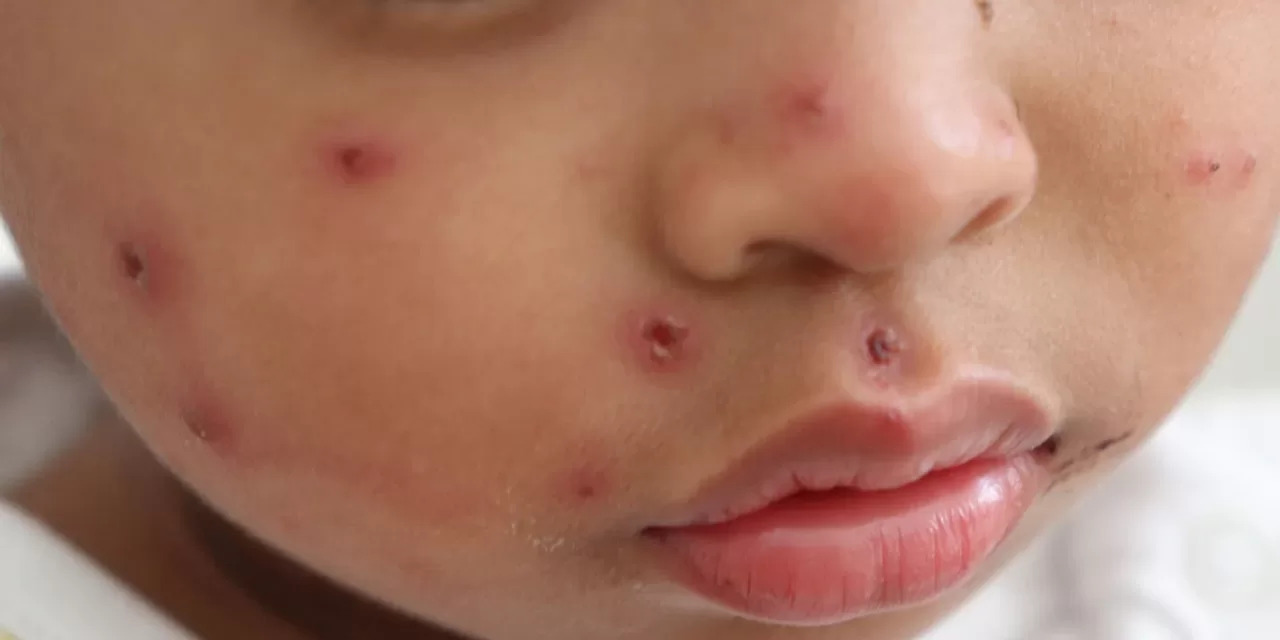
Exanthem Phase: The characteristic red, blotchy rash appearing 3–5 days after symptoms begin, starting at the hairline and spreading downward.
The “Immunity Gap”
The United States famously eliminated endemic measles in 2000. However, maintaining that status requires a “herd immunity” threshold of at least 95% vaccination coverage. Recent data shows that national kindergarten MMR (Measles, Mumps, and Rubella) coverage dipped to 92.5% for the 2024-2025 school year, leaving approximately 286,000 children vulnerable.
Dr. Scott Gottlieb, former FDA Commissioner, recently noted that measles outbreaks are increasingly becoming “long cycles” embedded in socio-political debates. He emphasized that the primary challenge is no longer vaccine availability, but vaccine confidence and education.
There is a silver lining, however. The severity of the Upstate South Carolina outbreak prompted a 31% statewide increase in vaccinations, with Spartanburg County nearly doubling its MMR doses. Preliminary CDC data suggests that national vaccination rates for three-year-olds have ticked back above the 95% mark in response to recent public health scares.
Critical Advice for the Public
For the average resident, the Saluda County cases serve as a reminder to verify immunization records. The MMR vaccine is remarkably effective:
-
Two doses: 97% effective at preventing infection.
-
One dose: 93% effective.
Public health officials urge particular caution for high-risk groups who cannot be vaccinated or for whom the vaccine is less effective, including infants under 12 months, pregnant individuals, and those with compromised immune systems. Complications can be severe, ranging from pneumonia to encephalitis (brain swelling) and a rare but fatal neurological condition called subacute sclerosing panencephalitis (SSPE).
Limitations and the Road Ahead
While the Saluda County response has been a textbook example of successful containment, challenges remain. About 8% of 2026 cases are “breakthrough” infections in fully vaccinated individuals. While these cases are typically much milder and less likely to spread to others, they demonstrate that no intervention is 100% foolproof.
Furthermore, privacy laws often limit the amount of detail health departments can share, which can sometimes lead to public frustration. However, health officials maintain that the focus should remain on community protection rather than individual blame.
As summer travel season approaches, the DPH and CDC recommend that anyone traveling internationally check their records and ensure they are up to date on their MMR series at least two weeks before departure.
References
-
South Carolina Department of Public Health. “DPH Announces Second Measles Case in Saluda County.” May 4, 2026. dph.sc.gov
Medical Disclaimer: This article is for informational purposes only and should not be considered medical advice. Always consult with qualified healthcare professionals before making any health-related decisions or changes to your treatment plan. The information presented here is based on current research and expert opinions, which may evolve as new evidence emerges.