 0
0
 0
0
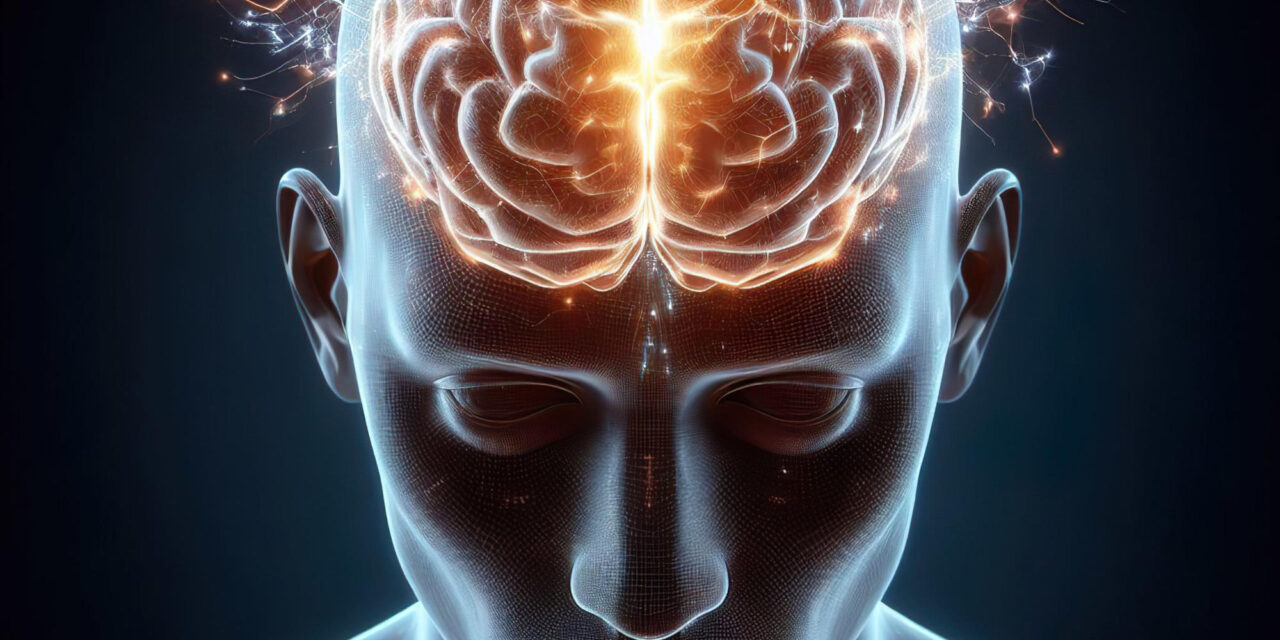
TORONTO — In what is being hailed as a landmark development for understanding the lingering aftermath of the coronavirus, a new brain imaging study has found the most definitive evidence to date that Long COVID is directly tied to injury within the brain’s dopamine system. The peer-reviewed research, published July 10, 2026, in the journal eBioMedicine, offers a clear biological explanation for the debilitating chronic fatigue, slowed physical movement, and memory impairments that continue to plague millions of survivors worldwide.
Led by researchers at the Centre for Addiction and Mental Health (CAMH) in Toronto, the study utilized advanced Positron Emission Tomography (PET) scans to evaluate the neurological health of individuals living with Long COVID compared to healthy control participants. The imaging revealed a significant reduction in key biological markers responsible for maintaining healthy dopamine function, opening an entirely new frontier for targeted clinical treatments.
Mapping the Injury: What the Scans Reveal
To pinpoint how the virus impacts the brain, the research team looked specifically at vesicular monoamine transporter 2 (VMAT2). VMAT2 is a vital protein that acts as a reliable metric for assessing the structural integrity and health of dopamine-releasing neurons.
The PET scans revealed that, compared to healthy individuals, patients with Long COVID exhibited significantly lower VMAT2 signals across all major regions of the striatum—a critical inner-brain structure responsible for coordinating everything from physical movement to mental motivation.
Remarkably, the study found that the drop-off in VMAT2 markers directly mirrored the specific, real-world symptoms reported by the patients:
-
The Ventral Striatum: Lower dopamine markers in this region tracked precisely with a profound loss of motivation and drive.
-
The Dorsal Putamen: Reductions here correlated closely with physically slowed, sluggish movements.
-
The Caudate Putamen: Disruptions in this area mapped directly to cognitive difficulties and memory lapses, often described by patients as “brain fog.”
“Our findings suggest that Long COVID may be, at least in part, a disorder of the brain’s dopamine system,” noted Yuhan Liu, the study’s first author. According to CAMH, the structural reductions provide the strongest evidence yet that the neurological symptoms of Long COVID are rooted in physical injury to dopamine-releasing neurons rather than temporary functional resets.
Why the Dopamine System Matters
Dopamine is widely known as the brain’s “reward chemical,” but its job description extends far beyond pleasure. It serves as a fundamental chemical messenger (neurotransmitter) that the brain relies upon to execute smooth physical movements, sustain focus, regulate sleep cycles, and encode short-term memories. When the neural circuits that rely on dopamine are compromised or damaged, the biological consequences closely match the primary complaints of Long COVID patients.
This human-centered study bridges the gap between earlier lab-based discoveries and clinical reality. In 2023 and 2024, laboratory experiments on human stem-cell models first indicated that SARS-CoV-2 could halt dopamine production and trigger cellular aging (senescence) in those specific neurons. However, until now, those findings were purely mechanistic. The CAMH research marks a monumental leap forward because it proves this exact pathology is actively occurring inside the brains of people living with Long COVID.
Public Health Implications and Validation
Public health agencies estimate that Long COVID impacts roughly 5% of the global population, which includes an estimated 2 million Canadians and over 15 million Americans. For years, a major hurdle for these patients has been the lack of objective diagnostic criteria, occasionally leading to their profound exhaustion being mischaracterized as purely psychological.
Journalist’s Note: For millions of individuals struggling with post-viral syndromes, this study provides profound validation. It proves their fatigue and memory issues are tied to measurable, physical alterations in brain chemistry.
Furthermore, because there are currently no globally approved, evidence-based cures for Long COVID, shifting the scientific focus from vague symptom management to targeted, biology-driven therapies could revolutionize patient outcomes.
The Path Forward: Clinical Trials
The identification of dopamine deficiency opens immediate doors for drug repurposing. Dr. Jeffrey Meyer, senior scientist at CAMH’s Brain Health Imaging Centre and senior author of the study, emphasized that the team is not waiting to act.
“These results provide compelling evidence,” Dr. Meyer stated, explaining that medications currently used for other dopamine-related neurological conditions—such as dopamine precursors or drugs that prevent dopamine breakdown—could be viable candidates to restore cognitive and motor functions in Long COVID patients. CAMH has confirmed plans to launch a targeted clinical trial in the coming months to test these dopamine-boosting strategies.
A Note of Caution for Patients
While these findings represent a massive scientific breakthrough, independent experts urge patience and caution. This was an imaging study designed to show a strong association between Long COVID and lowered dopamine markers; it does not mean dopamine injury is the only variable driving the condition. Long COVID is a notoriously complex, multi-system syndrome. Other ongoing research branches continue to investigate parallel causes, including chronic immune system activation, widespread vascular inflammation, and microclots that restrict oxygen flow.
For the general public, the primary takeaway is strictly observational. Individuals should not attempt to self-diagnose dopamine deficiencies or seek out unprescribed dopamine-boosting supplements. Persistent post-viral fatigue can overlap with a multitude of treatable medical issues, including clinical depression, thyroid dysfunction, severe anemia, and primary sleep disorders. Anyone experiencing lingering symptoms after a COVID-19 infection should consult a qualified healthcare provider for a comprehensive, multi-system medical evaluation.
References
- https://medicalxpress.com/news/2026-07-evidence-dopamine-injury-brain-covid.html
Medical Disclaimer: This article is for informational purposes only and should not be considered medical advice. Always consult with qualified healthcare professionals before making any health-related decisions or changes to your treatment plan. The information presented here is based on current research and expert opinions, which may evolve as new evidence emerges.