 0
0
 0
0
FOSHAN, CHINA — Health authorities in Guangdong Province are on high alert following a significant norovirus outbreak at Xinghui Middle School. On Saturday, local health officials confirmed that 103 students have fallen ill with the highly contagious virus. While the scale of the outbreak has sparked concern, officials report that all affected students are currently in stable condition, with no critical illnesses or fatalities recorded.
The incident has triggered an immediate response from the Foshan Center for Disease Control and Prevention (CDC). The campus has undergone rigorous disinfection protocols, and health officials have implemented strict attendance monitoring and epidemiological surveys to trace the source of the infection.
Understanding the “Perfect Pathogen”
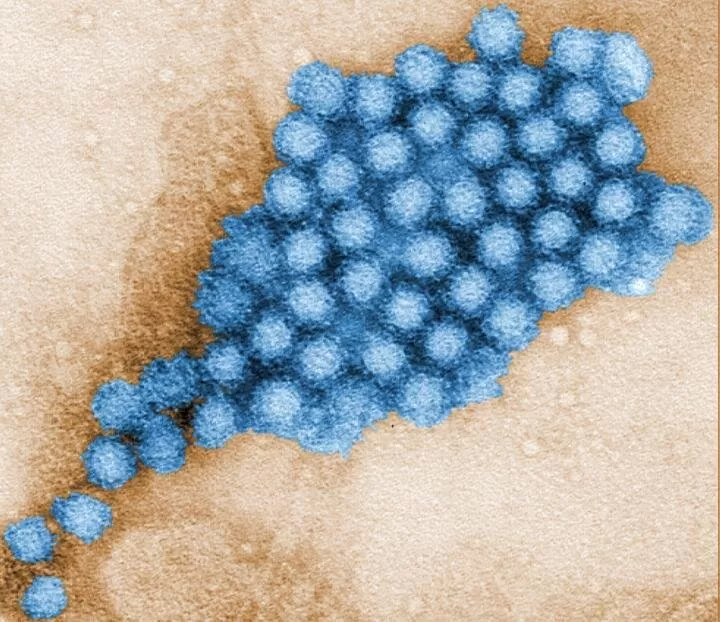
Norovirus, often colloquially but inaccurately called the “stomach flu,” is a robust virus that causes acute gastroenteritis—an inflammation of the stomach and intestines. Unlike the influenza virus, which targets the respiratory system, norovirus is a gastrointestinal specialist.
“Norovirus is often described as the ‘perfect human pathogen,'” says Dr. Elena Rossi, an infectious disease specialist not involved in the Foshan investigation. “It requires a very small viral load—as few as 10 to 100 particles—to make a person sick. It is also incredibly resilient, capable of surviving on surfaces for weeks and resisting many common disinfectants.”
Key Symptoms and Timeline
Students at Xinghui Middle School reportedly began showing symptoms early last week. According to the World Health Organization (WHO), the typical progression of a norovirus infection includes:
-
Rapid onset of nausea and projectile vomiting.
-
Watery, non-bloody diarrhea.
-
Abdominal cramps and occasionally a low-grade fever or muscle aches.
-
Duration: Symptoms usually last 24 to 72 hours, though the virus can continue to shed in stool for two weeks or more after recovery.
A Seasonal Surge in Guangdong
The Guangdong Provincial CDC noted that this outbreak aligns with the region’s peak norovirus season, which typically runs from October to March. While outbreaks can happen year-round, the cooler months provide an environment where people congregate indoors, facilitating the virus’s primary mode of transmission: the fecal-oral route.
This can occur through:
-
Person-to-person contact: Shaking hands or caring for someone who is ill.
-
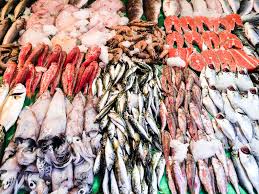
Contaminated food or water: Often linked to leafy greens, shellfish, or food handled by an infected individual.
-
Contaminated surfaces: Touching a doorknob or desk and then touching one’s mouth.
The Global Burden: By the Numbers
The Foshan outbreak is a local snapshot of a massive global health challenge. Norovirus remains the leading cause of foodborne illness worldwide.
| Statistic | Annual Impact |
| Total Global Infections | ~685 Million |
| Cases in Children Under 5 | ~200 Million |
| Global Deaths | ~200,000 |
| Economic/Healthcare Losses | ~$60 Billion USD |
While most healthy adults in developed or middle-income regions recover fully, the virus poses a severe threat in low-income countries where dehydration cannot be easily managed. Of the 200,000 annual deaths, approximately 50,000 are children under the age of five.
Expert Perspectives and Public Health Response
Health experts emphasize that while the 103 cases in Foshan are stable, the focus must remain on containment.
“In a school setting, the virus moves like wildfire,” explains Sarah Jenkins, a public health consultant. “The challenge isn’t just cleaning the floors; it’s the aerosolized particles that land on surfaces when someone vomits. High-touch areas like cafeteria tables and bathroom faucets are primary vectors.”
Authorities in Foshan have advised parents to keep symptomatic children at home for at least 48 hours after symptoms subside to prevent “re-seeding” the virus into the classroom.
Counterarguments and Limitations
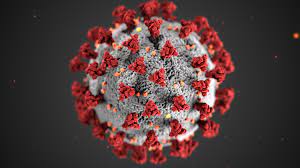
While many point to “deep cleaning” as the solution, some environmental health experts argue that traditional hand sanitizers are a weak defense against norovirus. Unlike many bacteria and viruses (like COVID-19) that have a fatty outer envelope easily broken by alcohol, norovirus has a tough protein shell (capsid).
“Many people rely on alcohol-based hand gels, but they are often ineffective against norovirus,” Dr. Rossi notes. “The gold standard remains vigorous soap-and-water handwashing for at least 20 seconds.”
Practical Advice for Families
As the norovirus season continues through March, health authorities recommend the following preventative measures:
-
Wash Hands Frequently: Especially after using the bathroom and before preparing or eating food.
-
Disinfect with Bleach: If someone in the home is ill, use a chlorine bleach-based cleaner (5 to 25 tablespoons of household bleach per gallon of water) on hard surfaces.
-
Wash Laundry Thoroughly: Use hot water and high-heat drying cycles for any clothing or linens soiled by an infected person.
-
Hydration is Key: Since there is no specific antiviral medication for norovirus, the primary treatment is replacing lost fluids to prevent dehydration.
The Foshan health bureau continues to monitor the situation at Xinghui Middle School. As of Sunday, no new clusters have been reported in neighboring districts, suggesting that the current containment measures may be taking hold.
Medical Disclaimer: This article is for informational purposes only and should not be considered medical advice. Always consult with qualified healthcare professionals before making any health-related decisions or changes to your treatment plan. The information presented here is based on current research and expert opinions, which may evolve as new evidence emerges.
References
https://www.daijiworld.com/news/newsDisplay?newsID=1303867