 0
0
 0
0
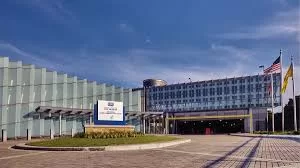
VARANASI, March 14, 2026 — A 25-year-old first-year postgraduate resident in the Department of General Surgery at the Institute of Medical Sciences, Banaras Hindu University (IMS-BHU), remains in critical condition today following an alleged suicide attempt that has sent shockwaves through India’s medical community. The doctor, identified as Dr. Satya, was discovered unconscious in her rented accommodation near Samne Ghat after injecting herself with more than 100 doses of insulin.
The incident has reignited a fierce national debate regarding the mental health of trainee doctors and the “toxic” professional environments that many claim are driving a surge in physician suicides. As of Saturday evening, the resident is on ventilator support in the ICU of the Super Speciality Block, battling severe hypoglycemia and acute kidney injury.
A Midnight Rescue and a Fight for Life
The crisis unfolded late Friday night when a concerned friend, unable to reach Dr. Satya via phone, alerted the local police. Authorities forced entry into the residence to find the young surgeon unresponsive.
Medically, an intentional insulin overdose of this magnitude is catastrophic. It triggers profound hypoglycemia—a state where blood sugar levels drop so low that the brain and vital organs are starved of energy.
“The patient is currently on ventilator support, and our medical team is providing round-the-clock monitoring,” stated Prof. S. N. Sankhwar, Director of IMS-BHU. “The exact reasons behind this step will only be known once she regains consciousness.”
Clinicians at the BHU trauma center reported that the massive dose necessitated immediate dialysis to manage the systemic impact on her kidneys. According to clinical literature on insulin toxicity, delayed intervention beyond six hours significantly increases the risk of permanent neurological damage or death.
The ‘Slow Poison’ of Medical Training
While the university administration awaits a formal statement from the resident, the medical community has been quick to point toward systemic failures. Dr. Dhruv Chauhan, National Spokesperson for the Indian Medical Association Junior Doctors Network (IMA-JDN), described the situation as part of a “silent epidemic.”
In a statement shared on social media, Dr. Chauhan lamented that top-tier institutions are becoming a “slow poison of societal success,” where a “19th-century monk mindset” forces trainees to endure abuse under the guise of becoming “good doctors.”
This case is not an isolated tragedy. Data from the National Medical Commission (NMC) covering 2022 through early 2026 reveals a harrowing trend: 64 MBBS students and 58 postgraduate medicos have died by suicide in India within that window. Uttar Pradesh, where IMS-BHU is located, has logged five postgraduate suicide cases recently, highlighting a regional cluster of concern.
Statistical Reality: Burnout and Beyond
The pressure cooker environment of Indian tertiary care centers is well-documented in recent peer-reviewed research. A 2025 scoping review of mental health among Indian doctors indicates:
-
Burnout Levels: Approximately 75% of residents in tertiary care experience significant burnout, with 32% classified as “severe.”
-
Work Hours: Residents frequently report 80- to 100-hour work weeks, leading to chronic sleep deprivation.
-
Gender Disparity: Globally, female physicians face a suicide rate ratio 1.76 times higher than the general public, a factor that experts say is exacerbated in India by patriarchal professional hierarchies.
-
Violence: Nearly 21.7% of residents report facing physical violence or verbal abuse during their shifts, often from patients’ relatives or senior staff.
Expert Perspectives: A Call for Reform
Dr. Vivek Pandey, a prominent health activist who has used Right to Information (RTI) requests to expose student dropout rates, notes that the problem extends beyond suicides. Over 1,166 medical students have dropped out of their programs in recent years, citing mental health and “departmental toxicity.”
“We need more than just sympathy; we need early warning systems,” says a correspondent for The BMJ. Research by Gupta et al. (2021) has consistently tied marathon shifts to high emotional exhaustion rates. The IMA has responded by launching the “Doctors for Doctors” (D4D) initiative, aimed at providing anonymous counseling and peer support to break the stigma of seeking help.
However, some administrators argue that the rigors of surgical training are inherently demanding and that personal resilience varies. Counter-arguments often suggest that “work-life balance” is a modern construct that clashes with the immediate needs of emergency healthcare. Yet, public health experts counter that a fatigued, depressed doctor is a liability to patient safety.
Public Health Implications
The implications of this crisis extend far beyond the hospital walls. When the frontline of the healthcare system—the residents—are incapacitated by mental health crises, the quality of patient care inevitably declines.
“Stressed residents make more medical errors,” notes a 2022 study published in PMC. “Analogous to pilot fatigue in aviation, unchecked shifts in medicine breed errors. Prevention saves lives on both ends of the stethoscope.”
What This Means for You
For Healthcare Professionals:
-
Advocate for Change: Support the implementation of duty-hour caps (such as the 48-hour week standard in the EU).
-
Utilize Resources: If you are feeling overwhelmed, contact the IMA-JDN helplines or peer support groups.
-
Monitor Peers: Look for signs of withdrawal, extreme fatigue, or hopelessness in colleagues.
For the General Public:
-
Empathy in Interaction: Recognize that the junior doctor treating you may be on their 30th hour of continuous duty.
-
Demand Transparency: Support institutional policies that prioritize the mental well-being of the medical workforce.
As Dr. Satya remains in a coma, the medical fraternity watches closely. The investigation at IMS-BHU is ongoing, but for many, the “diagnosis” of the system is already clear: without radical structural reform, the “slow poison” of toxicity will continue to claim the lives of those trained to save them.
Medical Disclaimer: This article is for informational purposes only and should not be considered medical advice. Always consult with qualified healthcare professionals before making any health-related decisions or changes to your treatment plan. The information presented here is based on current research and expert opinions, which may evolve as new evidence emerges.
References
-
Saha A. IMS BHU Surgery resident doctor attempts suicide with insulin overdose, critical. Medical Dialogues. March 14, 2026. [https://medicaldialogues.in/news/health/doctors/ims-bhu-surgery-resident-doctor-attempts-suicide-with-insulin-overdose-critical-166506]