 0
0
 0
0
SEATTLE — In a move that signals a significant shift in the landscape of chronic disease management, Amazon Pharmacy announced today that it is integrating Novo Nordisk’s Ozempic into its specialized kiosk network and rapidly expanding same-day delivery services. By bridging the gap between the doctor’s office and the medicine cabinet, the retail giant aims to tackle one of the most persistent hurdles in American healthcare: prescription non-adherence driven by pharmacy delays.
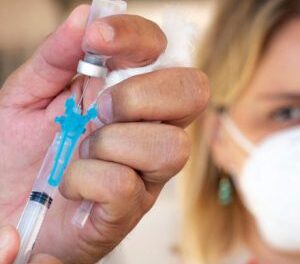
The rollout, effective immediately, will allow patients seen at Amazon’s One Medical primary care offices to pick up their GLP-1 medications at on-site kiosks. Furthermore, Amazon is scaling its same-day delivery capabilities to reach approximately 3,000 cities and towns, with plans to hit 4,500 by the end of 2026. For the 38.4 million Americans living with diabetes, this logistical leap could mean the difference between starting a vital treatment today or waiting weeks for a backordered shipment.
Reducing “Friction” in Chronic Care
For patients with type 2 diabetes, the journey from diagnosis to treatment is often paved with obstacles. According to data from the American Diabetes Association (ADA), nearly one in four prescriptions goes unfilled, often due to cost or the simple inconvenience of a secondary trip to a traditional pharmacy.
“The time between leaving a clinic and starting a medication is a critical window,” says an Amazon Pharmacy spokesperson. “By placing the medication at the point of care through our kiosks, we are essentially removing the ‘friction’ that often leads to abandoned treatments.”
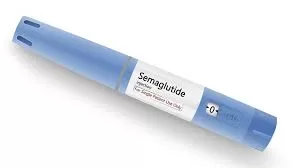
While the expansion includes the highly sought-after Ozempic (semaglutide) injection, it also encompasses Rybelsus, the first FDA-approved oral version of semaglutide. This move is particularly timely, as the demand for GLP-1 receptor agonists has surged, frequently outstripping the supply at local brick-and-mortar pharmacies.
Key Features of the Expansion:
-
Immediate Access: Kiosk pickup available at select One Medical locations following a consultation.
-
Expanded Reach: Same-day delivery scaling to 4,500 municipalities by year-end.
-
Cost Transparency: Pricing for insured customers may start as low as $25 per month, though out-of-pocket costs remain subject to individual insurance plans.
-
No Membership Required: Unlike many Amazon services, Prime membership is not a prerequisite for accessing the pharmacy’s delivery network.
Understanding the Medicine: What is Ozempic?
Semaglutide, the active ingredient in Ozempic and Rybelsus, belongs to a class of drugs known as glucagon-like peptide-1 (GLP-1) receptor agonists. These medications mimic a hormone naturally produced in the gut.
When blood sugar levels rise, semaglutide signals the pancreas to release more insulin. It also prevents the liver from making too much sugar and slows the rate at which food leaves the stomach. This “gastric emptying” effect not only helps stabilize glucose levels but often leads to significant weight loss—a secondary benefit that has catapulted the drug into the cultural zeitgeist.
However, medical experts stress that while access is becoming “retail-friendly,” the drug itself is a serious clinical intervention.
The Expert View: Convenience vs. Counseling
While the healthcare industry generally welcomes improved logistics, independent clinicians urge a balanced perspective. The ease of a kiosk pickup should not replace the depth of a clinical consultation.
“Any system that reduces the barrier to entry for life-saving medication is a win for public health,” says Dr. Elena Rossi, an endocrinologist not affiliated with Amazon’s rollout. “However, semaglutide is not a ‘set it and forget it’ drug. It requires careful titration and a clear understanding of side effects.”
Common side effects include nausea, vomiting, and diarrhea, which can be severe enough to cause some patients to discontinue the drug. More rarely, the medication has been linked to pancreatitis, gallbladder disease, and worsening of diabetic retinopathy (eye disease).
“The pharmacist’s role remains central,” Dr. Rossi adds. “Rapid access must be paired with robust patient education to ensure that side effects are managed and that patients know when to seek urgent care.”
Statistical Context: The Scale of the Crisis
The urgency of Amazon’s expansion is underscored by the current state of metabolic health in the United States. According to the Centers for Disease Control and Prevention (CDC) and the ADA:
-
38.4 million Americans (roughly 11.6% of the population) have diabetes.
-
97.6 million adults have prediabetes, a condition that frequently progresses to type 2 diabetes without intervention.
-
Diabetes remains a leading cause of kidney failure, lower-limb amputations, and new cases of blindness among adults.
By streamlining the delivery of GLP-1s, Amazon is positioning itself as a critical infrastructure partner in a public health battle that costs the U.S. economy billions annually in medical expenses and lost productivity.
Limitations and Persistent Barriers
Despite the technological prowess of same-day delivery, Amazon’s move does not solve every problem. The “convenience story” has three primary limits:
-
Clinical Oversight: Semaglutide remains a prescription-only medication. A patient must still be evaluated by a licensed clinician to ensure the drug is appropriate for their specific medical history.
-
Insurance Hurdles: Faster delivery does not bypass the need for “prior authorization”—a process where insurance companies require additional paperwork before agreeing to cover high-cost medications.
-
The “Right Fit” Factor: The ADA Standards of Care emphasize that treatment should be individualized. While Ozempic is effective, it may not be the best choice for every patient depending on their cardiovascular risk, kidney function, or personal preferences.
Public Health Implications: A New Era of “Point-of-Care” Pharmacy
The integration of pharmacy services into primary care settings—like the One Medical kiosks—represents a broader shift in American medicine. This model, often called “medication synchronization,” aims to treat the pharmacy not as a separate retail destination, but as a direct extension of the doctor’s exam room.
From a public health standpoint, this could lead to higher adherence rates. When a patient holds the medication in their hand before even leaving the clinic, the likelihood of them following the prescribed regimen increases exponentially.
What This Means for You
For the average reader, the takeaway is one of cautious optimism. If you are managing type 2 diabetes:
-
Talk to your provider: Ask if the convenience of kiosk pickup or same-day delivery is available in your area.
-
Inquire about side effects: Use the time saved on logistics to have a deeper conversation with your doctor or pharmacist about managing gastrointestinal symptoms.
-
Check your coverage: While Amazon aims for a $25 entry point, verify your specific co-pay and whether your insurance requires specific pharmacies for GLP-1 medications.
As Amazon continues to blur the lines between e-commerce and healthcare, the goal remains the same: ensuring that the right medicine reaches the right patient at the right time.
References
Primary Sources
-
Reuters. “Amazon to carry Ozempic at US kiosks, offer same-day delivery.” May 7, 2026. [reuters.com]
Medical Disclaimer: This article is for informational purposes only and should not be considered medical advice. Always consult with qualified healthcare professionals before making any health-related decisions or changes to your treatment plan. The information presented here is based on current research and expert opinions, which may evolve as new evidence emerges.