 0
0
 0
0
CHENNAI — The Tamil Nadu Department of Animal Husbandry and the Directorate of Public Health (DPH) issued a statewide bird flu alert on February 7, 2026, following reports of unusual crow mortality across several districts. While no human cases have been reported, officials have activated emergency biosecurity protocols and a massive surveillance net to prevent the H5N1 virus—commonly known as avian influenza—from jumping from wild bird populations to domestic poultry or humans.
The alert has prompted immediate action at the state’s borders, within the poultry industry, and across wildlife sanctuaries, including the Mudumalai Tiger Reserve. Health officials are now urging the public to maintain a “watchful distance” from wildlife and report any clusters of bird deaths to local authorities immediately.
The Investigation: Surveillance and Containment
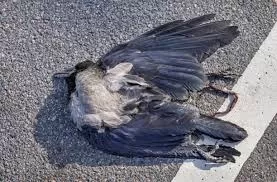
The current alarm was triggered by “large-scale” deaths among crows, a species known to be highly susceptible to certain strains of avian influenza. Because crows are scavengers and often live in close proximity to human settlements, their health serves as a “sentinel” or early warning system for the environment.
To manage the risk, the Department of Animal Husbandry has prohibited open-air post-mortems of bird carcasses to prevent the aerosolization of the virus. “Standard operating procedures are being strictly followed,” noted a spokesperson from the department. “Carcasses are being transported to Regional Disease Diagnostic Laboratories under high-security biological conditions to confirm the specific strain of the virus.”
Key Containment Measures Include:
-
Deep Burial or Incineration: Ensuring carcasses do not infect scavengers like dogs or other birds.
-
Border Controls: Regulating the movement of poultry and eggs at state borders to prevent cross-contamination.
-
Farm Biosecurity: Restricting visitor access to commercial poultry farms and enforcing the use of disinfectant footbaths for workers.
Understanding the Risk: Expert Perspectives
Avian influenza is a disease caused by infections with bird-specific Type A influenza viruses. While these viruses occur naturally among wild aquatic birds, they can be devastating when they spread to domestic poultry.
Dr. Aradhana Sharma, an infectious disease specialist not involved in the state’s current operations, explains the nuance of the threat: “The primary concern isn’t just the loss of bird life, but the ‘spillover’ potential. While H5N1 does not easily infect humans, when it does, the mortality rate can be high. Vigilance in monitoring bird-to-human transmission is critical right now.”
According to the World Health Organization (WHO), human infections primarily occur through direct contact with infected animals or contaminated environments. There is currently no evidence of sustained human-to-human transmission of the H5N1 strains currently circulating globally.
Practical Advice for the Public
Public health officials have emphasized that there is no reason for panic, but there is every reason for precaution. The DPH has highlighted that symptoms of avian flu in humans often mimic the common flu but can escalate rapidly.
Recognizing Symptoms
If you have been in contact with birds and experience the following, seek medical attention immediately:
-
High fever (often >38°C/100.4°F)
-
Cough and sore throat
-
Difficulty breathing or shortness of breath
-
Muscle aches and fatigue
Safety Protocols
-
Do Not Touch: Never handle a dead or sick bird with bare hands.
-
Reporting: Use the department’s helpline to report bird deaths.
-
Hygiene: If you accidentally touch a bird or its droppings, wash your hands immediately with soap and water for at least 20 seconds.
-
Cooking: Ensure poultry and eggs are cooked thoroughly. The virus is destroyed by heat; internal temperatures should reach 74°C (165°F).
Impact on the Poultry Industry and Wildlife
The economic stakes are high for Tamil Nadu, a major hub for poultry production in India. M.G. Ganesan, Deputy Director of the Mudumalai Tiger Reserve, confirmed that wildlife divisions are monitoring migratory paths and water bodies where wild birds congregate.
“We are in a phase of ‘active surveillance,'” says Ganesan. This involves testing fecal samples and water from regions where migratory birds frequent to see if the virus is present before it reaches domestic farms.
Limitations and Challenges
While the state has been proactive, experts point out that tracking wild bird movements is notoriously difficult. “Wild birds don’t recognize district or state boundaries,” says Dr. S. Rajan, a veterinary consultant. “The challenge lies in the ‘silent’ spread—where birds carry the virus without showing symptoms immediately, shedding it in water sources used by other animals.”
Furthermore, diagnostic results can take several days, creating a window of uncertainty. Officials are currently relying on rapid response teams to treat every reported death as a “presumptive positive” until proven otherwise.
Public Health Outlook
The next 14 days are considered a critical observation period for the state. If the deaths remain localized to wild birds and do not enter the commercial poultry chain, the risk to the general public remains “low” according to current epidemiological models.
However, the Directorate of Public Health is not taking chances. An extensive Information, Education, and Communication (IEC) campaign has been launched to ensure that even the most remote villages are aware of the risks.
“Preparedness is our best defense,” the DPH statement concluded. “By reporting early and maintaining hygiene, the community acts as the first line of defense against an outbreak.”
Statistical Context
-
H5N1 Mortality Rate in Humans: Historically estimated at approximately 50% by the WHO, though recent strains have shown varied severity.
-
Poultry Industry Impact: In previous Indian outbreaks (e.g., 2021), millions of birds were culled across multiple states to contain the spread.
Medical Disclaimer: This article is for informational purposes only and should not be considered medical advice. Always consult with qualified healthcare professionals before making any health-related decisions or changes to your treatment plan. The information presented here is based on current research and expert opinions, which may evolve as new evidence emerges.
References
TN issues statewide bird flu alert after crow deaths; public advised to take strict precautions