 0
0
 0
0
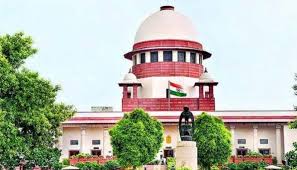
The Supreme Court of India has directed the Maharashtra Medical Council (MMC) to conduct its long-overdue elections within three months, marking a pivotal step to restore elected leadership to the state’s key medical regulatory body. This order, issued on January 7, 2026, by Justices Ahsanuddin Amanullah and R Mahadevan, addresses a controversy sparked by challenges to the returning officer’s eligibility and comes after nearly a decade without polls. The ruling aims to ensure procedural fairness while emphasizing cooperation to avoid further judicial interference.medicaldialogues+1
Court Directives and Background
The Apex Court instructed a newly appointed returning officer (RO) to restart the election process de novo, including hearing objections to the voters’ list and scheduling polls on a holiday like Sunday to boost participation among over 2 lakh registered doctors. It barred lower courts from entertaining related pleas except through this petition, warning of strict action against frivolous objections. The dispute originated from a petition by Dr. Sachin Pawar, who contested the prior RO’s qualifications—lacking under-secretary rank as required by MMC Rules, 2002—leading to a stay just before April 2025 polls. The Bombay High Court had dismissed Pawar’s initial plea in March 2025 as “misconceived,” but the Supreme Court found merit, prompting the new RO appointment.timesofindia.indiatimes+4
Elections were last held in 2016, with the term expiring in 2021 amid COVID-19 disruptions; an administrator has since overseen operations, due since 2022. Established under the Maharashtra Medical Council Act, 1965, as successor to the Bombay Medical Council (1912), the MMC maintains registers, enforces ethics, licenses practitioners, investigates complaints, and promotes continuing medical education (CME).indiacode+4
Role of MMC in Healthcare Regulation
The MMC regulates medical practice for Maharashtra’s 2+ lakh doctors, ensuring ethical standards, scientific advancement, and patient safety through elected and nominated members serving five-year terms. Nine elected seats are at stake, influencing policies on licensing, disciplinary actions, and professional conduct codes. Delays have left it under administrative control, mirroring national issues where the National Medical Commission (NMC) replaced the MCI amid reform calls to separate education from practice regulation.prsindia+4
In 2025, MMC’s notification allowing homeopathic practitioners certain registrations drew protests, highlighting elected councils’ role in contentious decisions. It also launched online CME under Digital India, reaching over 1 lakh doctors via modules from reputed institutes.maharashtramedicalcouncil+1
Impacts of Prolonged Delays
Extended vacancies paralyze councils, delaying doctor registrations—critical for residents at institutions like AIIMS and GMC—disrupting placements and services. Doctors faced chaos in April 2025: hundreds rescheduled surgeries and traveled far (e.g., 20 km in Mumbai) only for polls to halt abruptly, eroding trust. Low 2016 turnout (18%) may worsen with repeated disruptions. Patients suffer indirectly as ethics enforcement and complaint resolution lag, potentially compromising care standards.hindustantimes+1
Similar halts occurred in Delhi Medical Council (2025), citing irregularities, leaving juniors in limbo. Experts note delays foster government overreach, undermining professional self-regulation envisioned in the Indian Medical Council Act, 1956.rajswasthya.rajasthan+2
Expert Perspectives
Dr. Sudhir Naik, former Aurangabad Medical Council president, called the 2025 suspension a “betrayal,” stressing doctors’ sacrifices for a flawed process: “We want a strong, fair council, not one elected through exclusion.” Dr. Deepak Baid highlighted low turnout risks, urging better facilitation. Dr. Pawar, via counsel, prioritized neutral RO for fair polls.globaltv+2
Solicitor General Tushar Mehta supported fresh elections per law. Broader views, like from PRS India, advocate reforms for councils to focus on practice over education. No recent quotes post-January 2026 order, but stakeholders welcome the deadline as progress.medicaldialogues+2
Public Health Implications and Limitations
Timely elections promise democratic oversight, enhancing ethical governance and patient protections in India’s most populous state (12+ crore, high doctor density). Elected members could accelerate CME, streamline registrations, and address complaints faster, bolstering trust. For consumers, this means accountable regulation; professionals gain voice in policies.timesofindia.indiatimes+1
Yet limitations persist: de novo process risks renewed disputes despite court curbs; voter apathy lingers; turnout facilitation on holidays helps but past mismanagement (few Mumbai booths) may recur. No guarantees against post-poll challenges, and administrator continuity ensures stability interim. Broader reforms via NMC may overshadow state councils.hindustantimes+1
This ruling underscores judicial push for self-governance in medicine, potentially setting precedents for other states.
(Word count: 1,048)
References
-
Medical Dialogues. “Supreme Court gives deadline to hold Maharashtra Medical Council elections.” January 9, 2026. https://medicaldialogues.in/state-news/maharashtra/supreme-court-gives-deadline-to-hold-maharashtra-medical-council-elections-162399medicaldialogues
Medical Disclaimer: This article is for informational purposes only and should not be considered medical advice. Always consult with qualified healthcare professionals before making any health-related decisions or changes to your treatment plan. The information presented here is based on current research and expert opinions, which may evolve as new evidence emerges.