 0
0
 0
0
A team of Stanford University researchers has unveiled a groundbreaking non-invasive drug delivery technology that uses ultrasound in combination with specially-engineered nanoparticles to release medication precisely where it is needed in the body, significantly reducing the risk of side effects.
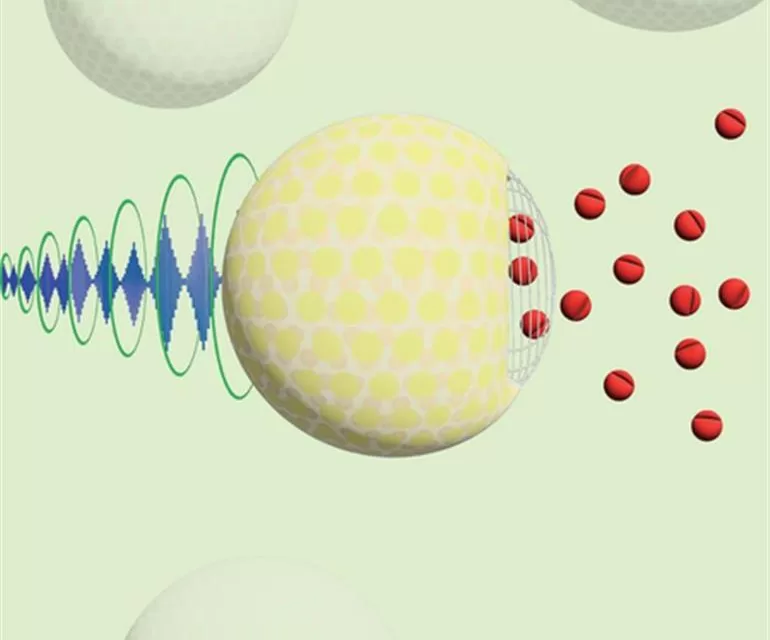
The new system, showcased in a recent publication in the journal Nature Nanotechnology, leverages nanoparticles filled with a 5% sucrose (sugar) solution to encapsulate drugs. When targeted ultrasound is applied externally, these nanoparticles release their medicinal payload at the exact site, enabling highly localized treatment.
“Turns out just a little bit of sugar is all you need to make this work,” said Raag Airan, Assistant Professor of Radiology at Stanford Medicine. The sucrose formulation makes the nanoparticles stable inside the bloodstream but rapidly responsive to focused ultrasound, allowing most of the drug to reach only the intended tissue.
Tests on animal models demonstrated remarkable results: when the technique was used to administer the drug ketamine to specific regions of the brain, about three times as much drug was delivered to that area compared to the rest of the brain. The system could also direct painkillers to targeted nerves in limbs, raising hopes for improved therapies with minimized off-target effects.
If proven effective and safe in human trials, this ultrasound-triggered drug delivery method could transform how treatments are given for conditions ranging from depression to localized pain. Physicians could maximize therapeutic benefits while limiting the adverse side effects that often accompany systemic drug administration.
Disclaimer: This article summarizes recent scientific research and is intended for informational purposes only. Readers should consult healthcare professionals before making any health-related decisions.
Reference: AP7AM News, “New ultrasound drug delivery safe, reduces side effects”.