 0
0
 0
0
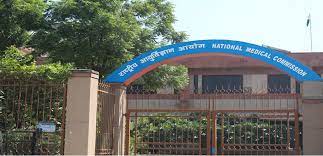
NEW DELHI — The National Medical Commission (NMC) has officially extended the deadline for medical institutions to submit their mandatory Postgraduate (PG) Annual Declaration Report for 2025. In a public notice issued by the Post Graduate Medical Education Board (PGMEB), institutions now have until July 10, 2026, at midnight to complete their electronic filings. The regulatory extension comes as a relief to hundreds of medical colleges across India that reported persistent operational glitches and technical bottlenecks while attempting to upload course-specific compliance documentation on the centralized NMC portal.
The decision directly impacts medical universities and teaching hospitals operating broad specialty and super specialty postgraduate programs. Under the updated directive, institutions are granted a brief window to finalize their entries. However, the commission explicitly stated that this is a final accommodation to ensure regulatory compliance and that no further timeline extensions will be authorized beyond the new July deadline.
Technical Visual Guide: Understanding the Regulatory Ecosystem
To illustrate how administrative procedures structurally impact institutional compliance and medical education quality, the framework below outlines the downstream connection between administrative oversight and healthcare delivery:
[ NMC Central Portal Submission ]
               │
               ▼
[ Verification of Standards (Staff, Beds, Labs) ]
               │
               ▼
[ Preservation of Training & Education Quality ]
               │
               ▼
[ Long-term Safeguarding of Patient Care Outcomes ]
Unpacking the Mandate: Technical Hurdles Prompt Action
The Annual Declaration Report is an intricate institutional filing required under the Maintenance of Standards of Medical Education Regulations. Rather than allowing a single, institutional blanket submission, the NMC framework mandates that medical colleges submit comprehensive, course-specific accounts for every individual postgraduate specialty they offer. Each individual application requires the submission of a Standard Assessment Form divided into two sections: Part A, covering broad institutional information common to all specialties, and Part B, which focuses on granular data specific to the respective Broad or Super Specialty course.
The compliance process also carries strict financial components. According to the foundational public notice issued on May 29, 2026, institutions must pay a statutory fee of ₹50,000 plus 18% Goods and Services Tax (GST) per postgraduate course. In practice, large multi-specialty medical colleges offering dozens of regional programs face massive data entry workloads and substantial administrative costs.
Following the initial opening of the portal on June 1, 2026, administrative teams encountered structural bottlenecks. Medical institutions flagged widespread technical errors involving document uploads, form downloads, and single-transaction payment options. Recognizing these systemic obstacles, the PGMEB altered its initial rigid timeline to prevent accidental defaults. Following the announcement, NMC Secretary Dr. Raghav Langer issued a separate, direct communication to the directors, principals, and deans of all affiliated institutions, instructing them to ensure that all requisite admission and infrastructure details are fully uploaded before the extended midnight deadline to avoid potential penal actions.
The Broader Context: Why Regulatory Compliance Matters to Public Health
While an extension of an administrative filing deadline might appear far removed from clinical hospital floors, regulatory transparency in medical education acts as a critical anchor for the national healthcare workforce. Medical institutions serve as the training environments for the next generation of specialists, including cardiologists, emergency physicians, and general surgeons.
Strict regulatory oversight ensures that these teaching hospitals maintain proper teacher-to-student ratios, adequate physical infrastructure, functioning laboratory systems, and sufficient clinical material (patient volumes) necessary for hands-on medical training.
Independent experts emphasize that tracking institutional data holds medical colleges accountable to national standards.
“When regulatory bodies monitor institutional standards through mandatory annual disclosures, it creates an essential layer of quality control,” says Dr. Alok Mathur, a public health policy analyst and former medical superintendent who was not involved in drafting the NMC notice. “If an institution fails to report accurate metrics regarding its faculty strength or clinical infrastructure, the quality of specialist training risks degradation. Ensuring compliance directly impacts the competency of the physicians entering our public health ecosystem.”
| Regulatory Component | Institutional Impact | Public Health Outcome |
| Course-Wise Filings | Prevents masking deficient departments behind strong ones. | Ensures specialized care quality across all medical branches. |
| Fee & Portal Verification | Enforces structured, audited reporting protocols. | Secures validated data for national medical education planning. |
| Strict Deadlines | Prevents indefinite backlogs in compliance auditing. | Maintains continuous public trust in medical credentials. |
Limitations, Clarifications, and Stakeholder Actions
It is vital for both medical professionals and the public to view this announcement strictly as a timeline modification rather than a structural policy shift. The NMC has not lowered its infrastructural criteria, reduced its faculty requirements, or waived the mandatory financial fees. The extension serves exclusively as an operational buffer to accommodate portal stability and data entry completion.
Healthcare consumers and students should remain cautious regarding inaccurate social media interpretations that frames this extension as a wider disruption in the medical academic calendar or a relaxation of education standards. The underlying compliance norms remain fully intact.
Required Actions for Medical Institutions
For medical college administrators, achieving successful compliance requires precise adherence to the digital workflow defined by the NMC portal:
-
Verify Course Data: Cross-reference all departmental faculty, infrastructure, and hospital bed metrics within the Standard Assessment Forms (Part A and Part B).
-
Execute Consolidated Payments: Utilize the online portal gateway to complete the course fees in a single transaction, as separate transactions per specialty are restricted by the system architecture.
-
Confirm Acknowledgment: Ensure that the system generates a distinct application number and issues a formal confirmation email containing the finalized PDF copy of the form. The NMC explicitly states that a submission is legally valid only after this digital confirmation is generated.
For the general public, this administrative window serves as a reminder of the quiet, regulatory frameworks working behind the scenes to monitor, standardize, and maintain the structural integrity of the healthcare systems that patients rely on daily.
References
-
National Medical Commission. Submission of Annual Disclosure Report (ADR)-2025 for Postgraduate Medical Courses in accordance with the Maintenance of Standards of Medical Education Regulations. Public Notice No. N-P011(20)/5/2026-PGMEB-NMC. Issued June 30, 2026 / Published July 1, 2026.
Medical Disclaimer: This article is for informational purposes only and should not be considered medical advice. Always consult with qualified healthcare professionals before making any health-related decisions or changes to your treatment plan. The information presented here is based on current research and expert opinions, which may evolve as new evidence emerges.