 0
0
 0
0
ISLAMABAD — Pakistan is currently grappling with a paradoxical and escalating public health emergency known as the “double burden of malnutrition.” A comprehensive new assessment by the UN Food and Agriculture Organization (FAO) and recent national health data reveal a nation where chronic undernutrition and soaring rates of obesity coexist—often within the same households. Driven by a food system that prioritizes cheap calories over essential nutrients, this crisis is disproportionately affecting women and children, straining the national healthcare infrastructure and threatening long-term economic development.
A System Producing Calories, Not Nourishment
For decades, Pakistan’s agricultural and economic policies have focused on food security through the lens of caloric quantity. However, the FAO’s latest assessment suggests this strategy has backfired. While the country produces enough volume to meet basic energy needs, the diversity of that food is dangerously narrow.
The report highlights “deep structural distortions” within the food system. The Pakistani diet has become heavily dominated by cereals, sugar, and edible oils—items that are often subsidized or more readily available than nutrient-dense alternatives. Consequently, while bellies may be full, bodies are starving for the vitamins and minerals necessary for healthy function.
“The system is essentially generating energy, not nourishment,” the report notes. This shift has led to a surge in the consumption of processed “ultra-processed” foods, with sales nearly doubling in recent years. Surprisingly, the trend is hitting rural communities the hardest, where energy-dense, sugar-laden snacks are often more affordable and shelf-stable than fresh produce, pulses, or legumes.
The Stunted Generation: A Crisis for Children
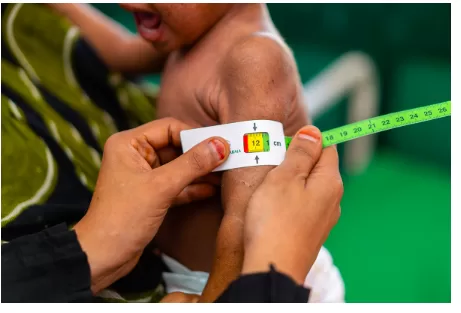
The most visible and heartbreaking victim of this imbalance is the nation’s youth. According to the data, 40% of children under the age of five suffer from stunting—a condition resulting from chronic malnutrition that leads to impaired physical and cognitive development.
Stunting is not merely about height; it represents a permanent loss of potential. Children who are stunted are more likely to perform poorly in school and face increased risks of chronic diseases as adults. This creates a cycle of poverty and ill-health that is difficult to break.
Women Bearing the Brunt: Anaemia and Maternal Mortality
The nutritional deficit is equally severe among women of reproductive age. Anaemia now affects approximately 41% of women in Pakistan, a statistic that carries lethal consequences. Iron deficiency and poor maternal nutrition are primary drivers behind one of the highest maternal mortality rates in the region: 186 deaths per 100,000 live births.
“When a mother is malnourished, the biological deck is stacked against her and her child from the start,” says Dr. Sarah Mansoor, a public health specialist not involved in the FAO report. “We are seeing a generation of women who are both overweight due to high-carb diets but severely anaemic because they lack access to protein and micronutrients. It is a biological ‘hidden hunger’ that kills.”
The Obesity Surge: A Third-Place Global Ranking
While millions suffer from a lack of nutrients, a different kind of malnutrition is spreading: obesity. The report reveals that 40% of Pakistani adults are now classified as obese. This weight gain is not a sign of prosperity but of a diet high in “free sugars” and fats. The health implications are already manifesting in a massive spike in non-communicable diseases (NCDs), including hypertension and cardiovascular illness.
Perhaps most startling is the diabetes crisis. Pakistan currently ranks third globally for diabetes prevalence. The rapid transition from traditional diets to processed, sugar-heavy foods has overwhelmed the population’s metabolic health, creating a “diabetes time bomb” that threatens to bankrupt the national health budget.
| Health Indicator | Prevalence / Rate |
| Childhood Stunting (Under 5) | 40% |
| Adult Obesity | 40% |
| Maternal Anaemia | 41% |
| Maternal Mortality | 186 per 100,000 live births |
| Global Diabetes Rank | 3rd |
Expert Perspectives and Potential Solutions
Independent health experts argue that the solution must go beyond simple awareness campaigns. “You cannot tell a family to eat more vegetables if those vegetables cost four times as much as a bag of sugar-coated biscuits,” says Zafar Ullah Khan, a nutrition policy researcher.
The FAO and local health advocates are calling for a multi-pronged approach:
-
Fiscal Measures: Implementing higher taxes on sugary drinks, confectionery, and highly processed foods.
-
Reinvestment: Directing tax revenue back into nutrition programs and subsidies for fruits, legumes, and pulses.
-
Agricultural Reform: Shifting the focus from cereal-centric farming to a more diverse crop portfolio that includes nutrient-dense foods.
Limitations and Challenges
Critics of aggressive taxation argue that it may unfairly burden low-income families in the short term if healthy alternatives are not made immediately affordable. Furthermore, Pakistan’s economic volatility makes large-scale agricultural shifts difficult to implement without significant international support and private sector cooperation.
What This Means for the Public
For the average consumer, these findings underscore the “hidden” dangers of the modern Pakistani diet. Health professionals recommend several immediate steps for families:
-
Prioritize Protein and Fiber: Reduce the reliance on white flour and sugar; increase intake of lentils (dal) and local seasonal vegetables.
-
Beware of “Cheap” Calories: Limit processed snacks and sugary sodas, which provide energy but no nutritional value.
-
Maternal Care: Prioritize iron-rich foods and prenatal vitamins for women of childbearing age to combat anaemia.
As Pakistan stands at this health crossroads, the message from the FAO is clear: without a fundamental restructuring of the food system, the country faces a future of diminished potential and an overwhelmed medical system.
Medical Disclaimer
This article is for informational purposes only and should not be considered medical advice. Always consult with qualified healthcare professionals before making any health-related decisions or changes to your treatment plan. The information presented here is based on current research and expert opinions, which may evolve as new evidence emerges.
References
Pak faces double burden of malnutrition and obesity; women and children most affected