 0
0
 0
0
Published: July 26, 2026
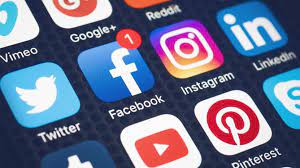
When doctors and biomedical scientists log onto social media to explain vaccine science, clarify reproductive health choices, or dispel medical myths, they increasingly face a gauntlet of digital hostility. What was once viewed as an occasional hazard of public outreach has transformed into a systemic crisis: widespread online harassment, targeted abuse, and personal safety threats are actively driving medical experts away from public spaces.
The consequences extend far beyond bruised egos or toxic comment sections. As qualified professionals quietly exit digital platforms to protect themselves and their families, a dangerous vacuum is created—one quickly filled by unchecked health misinformation, unverified medical claims, and dangerous wellness trends.
A Pervasive Crisis: What the Research Reveals
Recent peer-reviewed research demonstrates that online abuse targeting healthcare professionals is neither isolated nor rare.
According to a landmark survey study published in JAMA Network Open, 66% of surveyed physicians, biomedical scientists, and trainees reported experiencing harassment on social media, with 31% reporting sexual harassment.
[Survey Findings: Harassment Among Medical Professionals]
Overall Harassment Reported:    ████████████████████ (66%)
Tied to Public Advocacy:        █████████████████▌  (58%)
Linked to COVID-19 Comments:    █████████████▌      (42%)
Sexual Harassment Reported:     █████████▌          (31%)
Private Info Shared (Doxxing):  █████▌              (18%)
The study evaluated 359 U.S.-based medical professionals and trainees. Among those who reported being harassed:
-
88% stated the abuse was directly tied to their advocacy work.
-
64% linked the harassment to comments regarding COVID-19 and infectious disease science.
-
45% cited gender-based targeting.
-
18% experienced doxxing—the malicious publication of private personal information, such as home addresses or phone numbers, online.
Disproportionate Targeting Across Demographics
The data reveals sharp disparities in who bears the brunt of online hostility. Women and gender-diverse clinicians face significantly higher rates of gender-targeted abuse and sexual harassment compared to their male peers. Similarly, Black medical professionals report higher rates of racially motivated attacks than White colleagues.
These patterns build upon earlier findings published in JAMA Internal Medicine, which found that 23.3% of physicians active on social media reported personal attacks, including death threats and targeted campaigns to ruin their professional reputations through fake patient reviews and bad-faith complaints to state licensing boards. In that earlier study, 16.4% of female physicians reported sexual harassment, compared to 1.5% of male physicians.
The Human and Public Health Toll
For clinicians on the receiving end, the abuse frequently leaks into real-world distress. Respondents across multiple studies reported rape threats, death threats, stalking, and legitimate fears for the safety of their children and partners.
“When harassment escalates from an anonymous comment to a threat delivered to your workplace or home, it changes the equation entirely,” notes Vineet Arora, MD, Dean for Medical Education at the University of Chicago Pritzker School of Medicine. “Clinicians who use social media to educate the public should recognize that harassment is a real possibility, but they must not suffer in silence or feel they have to navigate it alone.”
The Chilling Effect on Reliable Information
The broader danger lies in the “chilling effect”—the likelihood that targeted abuse will force qualified experts to censor themselves or deactivate their accounts entirely.
When trusted clinicians step back from digital advocacy, the public loses a vital counterweight to health misinformation. The American Medical Association (AMA) has repeatedly emphasized that physicians play an essential public health role by translating complex medical science into accessible language and correcting viral falsehoods before they lead to poor health choices.
Should Doctors Stay Online?
Given the personal risks, medical professionals face a difficult dilemma: Is public communication worth the personal cost?
For many health leaders, the answer remains a cautious yes—but only if accompanied by stronger digital boundaries and institutional backing.
+-----------------------------------------------------------------------------------+
|                            STRATEGIES FOR DIGITAL SAFETY                          |
+------------------------------------+----------------------------------------------+
| Strategy                           | Practical Implementation                     |
+------------------------------------+----------------------------------------------+
| Identity Separation                | Maintain distinct personal and public pages. |
| Team-Based Advocacy                | Post through joint accounts or coalitions.   |
| Enhanced Security Controls         | Restrict direct messaging and filter terms.  |
| Institutional Escalation Protocols | Establish clear reporting to employer legal  |
|                                    | and security teams.                          |
+------------------------------------+----------------------------------------------+
Rather than expecting individual doctors to brave hostile online environments single-handedly, professional organizations advocate for collective strategies:
-
Institutional Protections: Hospitals, universities, and health systems must implement explicit anti-harassment policies, legal guidance, and security resources to protect staff who come under digital attack.
-
Team-Based Communication: Physician advocates are increasingly posting as part of professional groups or coalitions. Shared accounts reduce individual isolation and allow clinicians to rotate off public channels when targeted.
-
Platform Accountability: Public health experts continue to call on social media platforms to strengthen content moderation, streamline reporting pathways for doxxing, and curb coordinated harassment campaigns.
Evaluating the Evidence: Study Limitations
While the findings paint a stark picture, researchers acknowledge methodological limitations inherent in the available data:
-
Sampling Method: The 2023 JAMA Network Open study utilized a convenience sample recruited through social media platforms (primarily Twitter/X). This approach may overrepresent individuals who are exceptionally active online or who have personally experienced harassment, potentially skewing prevalence rates higher.
-
Recall Bias: Data collection relied on self-reported survey responses, which can introduce recall bias or variations in how individual respondents define “harassment.”
-
Causality: While cross-sectional surveys document the frequency and nature of online abuse, they cannot definitively track long-term health outcomes, career retention rates, or direct impacts on patient care over time.
Despite these caveats, public health researchers emphasize that the consistency of reported experiences across multiple independent studies underscores a real, widespread issue requiring urgent systemic intervention.
What This Means for Readers and Patients
When a physician, nurse, or biomedical scientist takes time to publish clear, evidence-based health guidance online, they are offering a valuable public service—often at considerable personal risk.
For everyday health consumers, understanding this dynamic highlights the importance of supporting credible medical voices. Recognizing the environment in which health experts operate can help readers identify reliable information sources, distinguish evidence-based advice from predatory pseudoscience, and foster safer digital spaces for public health education.
Medical Disclaimer
Medical Disclaimer: This article is for informational purposes only and should not be considered medical advice. Always consult with qualified healthcare professionals before making any health-related decisions or changes to your treatment plan. The information presented here is based on current research and expert opinions, which may evolve as new evidence emerges.
References
- https://www.medscape.com/viewarticle/online-harassment-should-doctors-stay-social-media-2026a1000p4j?ecd=a2a