 0
0
 0
0
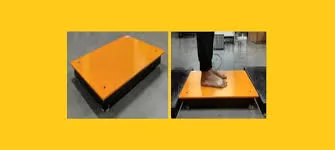
Researchers at the National Institute of Technology (NIT) Rourkela have developed a low-cost, indigenous force plate device that promises to enhance gait profiling and improve treatment strategies for heel pain, one of the most common foot ailments among adults. This innovation could offer a significant breakthrough in affordable musculoskeletal health diagnostics and rehabilitation, particularly within India where access to such technology has been limited due to the high cost of imported devices.
Heel pain frequently results from overloading of the plantar fascia, the ligament supporting the arch of the foot, or from changes in the heel pad, a fatty tissue beneath the heel that acts as a shock absorber during standing and walking. Excessive stress can degrade the cushioning ability of the heel pad, causing discomfort. Aging, injuries, obesity, diabetes, and ill-fitting footwear also contribute to this condition.
The newly developed force plate device measures multi-axial ground reaction forces (GRF)—the forces exerted by the ground on the body during movement—which are critical for diagnosing abnormal gait patterns. The team used this device with 3D motion capture technology to study heel pad stiffness non-invasively, analyzing how the heel pad bends and shifts during plantar flexion, the phase of walking when the heel lifts off. This innovative method overcomes limitations of traditional imaging that do not capture heel pad behavior dynamically in real-life movements.
According to Prof. A. Thirugnanam from NIT Rourkela, who led the research, the force plate’s ability to detect gait abnormalities can aid the diagnosis of neuromuscular disorders such as myopathies, peripheral neuropathies, spasticity, ataxia, Parkinson’s disease, and cerebral palsy. “Since gait requires precise coordination of muscle strength and balance, disruptions in these can alter walking patterns and the corresponding ground reaction forces. Our device can help identify these abnormalities,” he explained.
Force plates are internationally recognized diagnostic tools for assessing musculoskeletal health and planning rehabilitation, but high costs and a lack of local manufacturers have largely restricted their availability in India. Import costs typically range between Rs 30-50 lakhs, whereas NIT Rourkela’s indigenous device is priced around Rs 8-10 lakhs, representing a 70-85% cost reduction. This affordability could enable widespread use in sports academies, hospitals, rehabilitation centers, and educational institutions across the country.
The research team conducted testing on 15 volunteers across normal, overweight, and obese categories, using reflective markers on the heel pad to analyze pressure responses during gait. Their findings hold potential to improve customized footwear, orthotic insoles, and treatment strategies aimed at alleviating heel pain effectively for diverse populations.
While promising, the device’s clinical adoption will require further validation in larger and more diverse patient populations. Additionally, though motion capture and force plate technology provide dynamic assessment advantages, these tools complement rather than replace established diagnostic methods such as imaging and clinical evaluation.
Implications for public health include better management of heel pain-related disability and improved quality of life for affected individuals, particularly in resource-limited settings where access to costly imported diagnostic equipment is restricted. The technology may also reduce healthcare costs linked to chronic foot pain management and related musculoskeletal issues.
Medical Disclaimer: This article is for informational purposes only and should not be considered medical advice. Always consult with qualified healthcare professionals before making any health-related decisions or changes to your treatment plan. The information presented here is based on current research and expert opinions, which may evolve as new evidence emerges.
References: