 0
0
 0
0
A widely used sugar substitute, erythritol, is under new scrutiny after researchers at the University of Colorado Boulder found evidence suggesting it may directly harm the blood vessels in the brain, potentially raising the risk of stroke and heart attack.
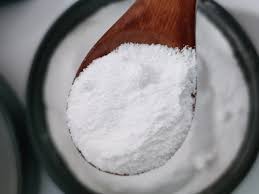
Erythritol, a sugar alcohol often promoted as a healthier alternative due to its zero calories and lack of effect on blood sugar, is ubiquitous in sugar-free products ranging from sodas to protein bars and even toothpaste. Its popularity among those following keto diets or managing diabetes has fueled its rapid rise across the global food market.
But the findings, published in the Journal of Applied Physiology, may prompt a reevaluation. The researchers exposed human brain blood vessel cells—critical for regulating blood flow and preventing clots—to an amount of erythritol equivalent to a typical sugar-free drink. Within just three hours, these cells exhibited marked stress and damage.
“Our study adds to the evidence suggesting that non-nutritive sweeteners that have generally been purported to be safe, may not come without negative health consequences,” said Professor Christopher DeSouza, senior author of the study.
Cells treated with erythritol produced more free radicals (reactive oxygen species), molecules that damage cellular components such as proteins and DNA. Though the cells responded by activating their antioxidant defenses, the response was insufficient.
Crucially, erythritol exposure reduced the cells’ production of nitric oxide by about 20 percent. Nitric oxide normally helps blood vessels relax and maintain healthy circulation; less of it means tighter, less flexible blood vessels—a condition that spells trouble for the brain. At the same time, the cells also ramped up production of endothelin-1, a protein that signals vessels to constrict, by about 30 percent above normal levels. This “double whammy” of less relaxation and more constriction raises the risk of restricted blood flow and, with it, stroke.
Another key finding: when challenged with a clotting trigger, the erythritol-exposed cells failed to release tissue-type plasminogen activator (t-PA), the body’s own clot-busting signal. In healthy cells, this signal should increase to help clear clots—a critical defense against stroke.
Raising further concern, an earlier epidemiological study cited by the researchers tracked more than 4,000 people in the U.S. and Europe. It found that individuals with high blood levels of erythritol had significantly more strokes and heart attacks over three years. These findings were consistent across sexes and independent of other health factors.
Although the researchers stress that their new study focused on cells in the lab, not on people, and did not examine the cumulative, long-term effects of daily erythritol consumption, their work provides new mechanistic insight that aligns with previous human studies.
Given these developments, the authors recommend cautious consumption. “It would be prudent for people to monitor their consumption of non-nutritive sweeteners such as this one,” DeSouza advised.
Disclaimer:
These findings are based on laboratory studies and epidemiological associations and do not establish direct causality between erythritol consumption and increased stroke or heart attack risk in individuals. Further research, including long-term human studies, is needed to clarify these health effects. This article does not constitute medical advice; individuals should consult healthcare professionals regarding dietary choices and personal risk assessment.