 0
0
 0
0
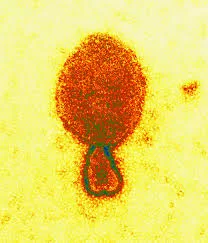
Alabama, May 2025 – Scientists have identified a new henipavirus, named the Camp Hill virus, in Alabama, marking the first detection of a henipavirus in North America. This discovery raises awareness about a group of highly dangerous viruses known to cause severe and often fatal infections in humans and animals.
What Are Henipaviruses?
Henipaviruses are a family of viruses that can cause serious illness characterized by fever, respiratory distress, and cerebral edema. Since the first henipavirus, the Hendra virus, was identified in Australia in 1994, nearly 20 types have been discovered worldwide, spanning every continent except Antarctica. These viruses are zoonotic, meaning they can be transmitted from animals to humans, and are known for their ability to infect a wide range of hosts including bats, horses, monkeys, dogs, and rodents.
Global Impact and Known Outbreaks
-
Hendra Virus (Australia, 1994): Seven human infections, with four fatalities.
-
Nipah Virus (Malaysia, 1998): Over 600 infections across 30 outbreaks in Southeast Asia, with mortality rates up to 100% in some cases.
-
Mojiang Virus (China): Linked to the deaths of three mineworkers.
-
Langya Virus: Spread by shrews, caused 35 infections with all patients recovering.
The Camp Hill Virus: Transmission and Risks
The Camp Hill virus was identified in tissue samples from short-tailed shrews collected in 2021. Researchers suspect that bats may be the primary reservoir, transmitting the virus through saliva or urine, while horses might also serve as carriers. Unlike viruses such as measles that infect only humans, henipaviruses are highly adaptable and capable of crossing species barriers, increasing the risk of zoonotic transmission.
To date, no human infections with the Camp Hill virus have been confirmed. However, given the severe nature of related henipaviruses and their ability to cause outbreaks, health officials emphasize the importance of ongoing epidemiologic surveillance.
Current Status of Treatment and Prevention
There are currently no approved vaccines or specific treatments for henipavirus infections. Nevertheless, research is actively progressing, particularly on vaccines targeting the Nipah virus. Experimental therapies, including monoclonal antibodies, are also under development to combat these pathogens.
Conclusion: Vigilance and Preparedness Are Key
The detection of the Camp Hill virus in Alabama highlights the expanding geographic range of henipaviruses and the critical need for vigilant monitoring of zoonotic diseases. The World Health Organization (WHO) has urged enhanced research efforts and preventive strategies to better understand these viruses and mitigate the risk of future outbreaks.
Disclaimer
This article is based on current scientific findings as of May 2025 and is intended for informational purposes only. The situation regarding emerging viruses can evolve rapidly. Readers are advised to consult official public health sources and medical professionals for the latest updates and guidance.
Citations: