 0
0
 0
0
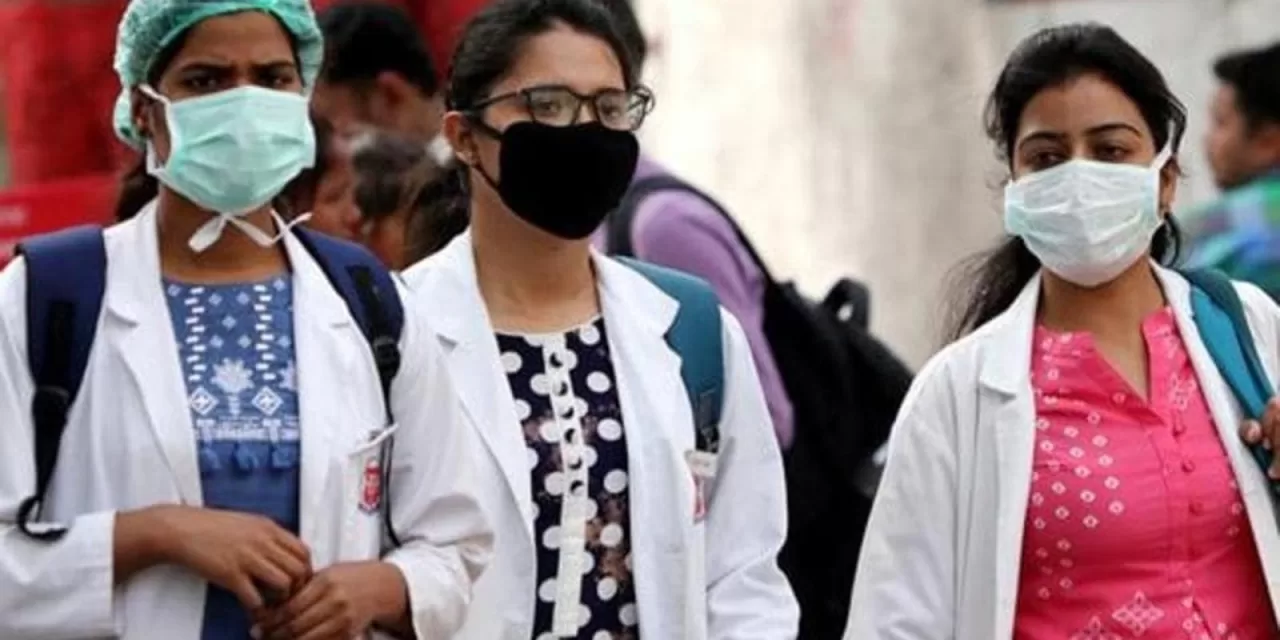
MUMBAI — In a major policy reform, the Maharashtra government has officially abolished its compulsory one-year “social responsibility” service bond for Bachelor of Medicine, Bachelor of Surgery (MBBS) graduates. The landmark decision, issued via a Government Resolution (GR) on July 23, 2026, dismantles a policy enacted in 2006 that mandated medical graduates from government, municipal, aided, and eligible private colleges to complete a year of service in public health facilities. State officials acknowledged that rapid expansion in medical college enrollments had severely outpaced available government hospital postings, transforming what was intended as a rural healthcare safety net into an administrative bottleneck that stalled thousands of young physicians’ entry into postgraduate training and clinical practice.
What the New Framework Entails
Under the directive issued by the Medical Education and Drugs Department, the online allotment portal for MBBS bond postings operated by the Directorate of Medical Education and Research (DMER) is closed immediately. No new bond service allocations will be issued across the state.
┌─────────────────────────────────────────────────────────────────────────┐
│                      MAHARASHTRA MBBS BOND POLICY                       │
├─────────────────────────────────────────────────────────────────────────┤
│  STATUS BEFORE JULY 23, 2026      │  STATUS AFTER JULY 23, 2026         │
├───────────────────────────────────┼─────────────────────────────────────┤
│  1-year mandatory service bond    │  ABOLISHED for undergraduate MBBS   │
│  Tied to PG admission eligibility │  Unlinked from PG entrance eligibility│
│  High penalty for non-compliance  │  No fresh allotments; portal closed │
└───────────────────────────────────┴─────────────────────────────────────┘
The state has outlined clear operational transition terms for medical graduates:
-
Exempted Graduates: Candidates who were eligible for bond service but had not yet received a posting, those who received allotment orders but have not joined, and those previously unable to complete the tenure are entirely exempted.
-
Active Service Personnel: Doctors currently serving under an assigned bond posting must complete the remainder of their mandated tenure.
-
Penalty Non-Refund: The resolution clarifies that no refunds will be granted to doctors who previously paid financial penalties to secure exemption from bond service under earlier rules.
-
Postgraduate Scope: The policy change applies exclusively to undergraduate MBBS graduates; compulsory bond requirements for postgraduate (MD/MS) and super-specialty (DM/MCh) doctors remain fully active.
Mathematical Realities: Growth Outstrips Public Postings
The primary driver behind scrapping the two-decade-old mandate was a stark discrepancy between medical graduate numbers and available public sector vacancies.
When Maharashtra introduced the service bond in 2006, the state’s annual MBBS intake stood at approximately 4,555 seats. By 2025–2026, aggressive expansion—including establishing at least one government medical college per district—tripled total annual seats to over 11,795.
Annual MBBS Seats in Maharashtra:
2006:  ███████▒▒▒▒▒▒▒▒▒▒▒▒▒ (4,555)
2025:  ████████████████████ (11,795) [+158% Growth]
Public health department posts failed to scale at a matching rate. Consequently, thousands of newly qualified physicians were left in professional limbo, waiting months or even years for a bond placement while barred from entering higher education.
The Government Resolution also highlighted a clinical efficacy concern: fresh MBBS graduates often completed bond duties reluctantly merely to clear administrative hurdles for postgraduate entrance exams. Furthermore, state health officials noted that doctors straight out of undergraduate internships lacked the independent clinical experience needed to manage emergency departments in under-resourced rural primary health centers (PHCs) without direct senior supervision.
“It has been observed that newly qualified MBBS graduates are completing the mandatory social responsibility service solely to become eligible for admission to postgraduate medical courses,” the Government Resolution stated. “Moreover, since these candidates have only recently graduated from the MBBS programme, they are not sufficiently competent to independently provide emergency medical services.”
Stakeholder Reactions and Public Health Implications
The medical fraternity, particularly resident doctors and medical student associations, overwhelmingly welcomed the reform. The Maharashtra Association of Resident Doctors (MARD) described the move as a long-overdue structural correction that eliminates artificial delays in postgraduate specialization and workforce entry.
“This brings enormous relief to young physicians,” noted Sudha Shenoy, a prominent medical parent representative. “The penalty for non-compliance was extraordinarily high, leaving students with little choice but to wait for postings that often didn’t exist. However, this shift does raise important questions about how primary healthcare centers will fill temporary staffing gaps.”
                       KEY STAKEHOLDER PERSPECTIVES

        Junior Doctors / MARD                Public Health Analysts
  ┌───────────────────────────────┐    ┌───────────────────────────────┐
  │ • Eliminates career delays    │    │ • Shifts away from forced labor│
  │ • Faster entry to PG training  │    │ • Risk of rural staffing gaps │
  │ • Reduces administrative stress│    │ • Demands permanent hiring    │
  └───────────────────────────────┘    └───────────────────────────────┘
From a public health standpoint, the mandate removal presents a double-edged sword:
-
Career Acceleration: Doctors can transition directly into postgraduate specialization, research, or clinical practice, helping address India’s acute shortage of specialized medical professionals.
-
Rural Workforce Challenges: Mandatory bond doctors formed a vital temporary workforce for rural PHCs and community health centers. Health system analysts argue the state must now transition from coercive short-term bonds to sustainable recruitment models, including higher pay, hardship allowances, and permanent cadre appointments in remote districts.
Looking Ahead: The Future of Physician Allocation
Maharashtra’s decision makes it a pioneer among major Indian states in dismantling compulsory undergraduate service bonds. Health economists suggest this policy pivot marks a fundamental shift in healthcare human resources management—moving away from treating junior doctors as temporary fill-ins and toward structured, incentive-based public health recruitment.
For aspiring doctors, the academic path is now clearer and more predictable. For state health administrators, the focus moves to strengthening permanent rural infrastructure so that public healthcare access is preserved without compromising medical education timelines.
Medical Disclaimer: This article is for informational purposes only and should not be considered medical advice. Always consult with qualified healthcare professionals before making any health-related decisions or changes to your treatment plan. The information presented here is based on current research and expert opinions, which may evolve as new evidence emerges.
References
-
The Indian Express. “No more mandatory bond year: Maharashtra frees MBBS graduates from 2006-era rule.” Published July 24, 2026.