 0
0
 0
0
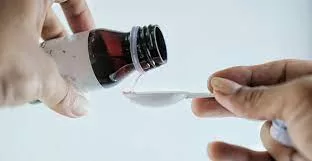
In a devastating public health crisis in Madhya Pradesh’s Chhindwara district, at least 14 children have died after consuming a widely used cough syrup named Coldrif. The deaths, which have been reported since early September 2025, involved young children aged four and below and are suspected to be caused by acute renal failure linked to toxic contamination in the medication. Following investigations, the government banned the syrup, arrested a prescribing pediatrician, and launched a special investigation team to probe the incident further.
Key Developments and Findings
The tragic surge in child deaths began emerging in early September when several children who consumed Coldrif cough syrup exhibited symptoms such as vomiting, diarrhea, and sudden cessation of urination. These classic signs pointed to poisoning typically caused by diethylene glycol (DEG), a toxic industrial solvent sometimes mistakenly used as a cheap substitute for glycerin in pharmaceutical formulations. Laboratory analysis by drug authorities in Tamil Nadu confirmed alarming contamination levels, with DEG found in Coldrif samples at 48.6% concentration by volume—far exceeding the permissible limits for safe medicine.
Dr. Praveen Soni, a government pediatrician in Chhindwara who had prescribed Coldrif to many of the victims, was arrested on charges of negligence leading to death. An FIR was also lodged against Sresan Pharmaceuticals, the Tamil Nadu-based manufacturer of Coldrif, which had violated good manufacturing practices leading to this contamination. The state government’s swift action included banning the sale of Coldrif syrup and freezing stocks both in Madhya Pradesh and Tamil Nadu following similar bans in Kerala and Rajasthan.
Context and Expert Commentary
Diethylene glycol poisoning is known globally as a cause of mass poisoning incidents, often linked to contaminated medicines. DEG, an industrial chemical used in antifreeze and solvents, induces acute kidney injury and multi-organ failure when ingested. Its toxicity at low doses makes it especially dangerous for young children. Such poisonings have tragically occurred in other countries, such as the 2022 cough syrup deaths in The Gambia linked to similar contamination.
“Symptoms such as vomiting and sudden kidney failure in young children after medication point strongly towards toxic poisoning, especially from substances like diethylene glycol. This highlights the critical need for stringent quality control in pharmaceutical manufacturing.” She emphasized, “Parents and clinicians alike should be cautious with cough syrups in children, given these risks, and regulatory authorities must rigorously enforce safety standards” .
Public Health Implications
This tragedy underscores the urgent need for enhanced regulatory oversight of drug manufacturing practices in India, particularly for medications intended for vulnerable populations such as infants and young children. The Union Ministry of Health convened a high-level meeting following these deaths, urging states to ban suspect products promptly and improve drug quality surveillance nationwide.
As a precautionary measure, the Union Health Ministry also issued advisories recommending against the routine prescription or dispensing of cough and cold syrups to children under two years, citing insufficient safety data and potential harm. Increased awareness and caution in clinical practice can reduce avoidable drug-related injuries in children.
Limitations and Conflicting Views
Not all regions reporting child deaths have confirmed links to Coldrif syrup, and some investigations revealed mixed findings. For example, separate cough syrup brands in Rajasthan are also under scrutiny, with some testing negative for contamination. Additionally, overdose and improper administration are factors considered by some experts for certain cases, reflecting the complexity of attributing causality in such outbreaks.
It is also essential to balance the risks and benefits of symptomatic treatments for pediatric respiratory illnesses. Many pediatric guidelines recommend minimal use of cough syrups, emphasizing hydration and supportive care instead. This tragedy serves as a somber reminder for prudent use of all medications in children.
What This Means for Readers
Parents should be vigilant about the medications given to children and avoid over-the-counter cough syrups, especially those not prescribed by a trusted physician. Health care providers should adhere strictly to prescribing guidelines and advise caregivers on potential risks. Regulatory agencies must continue rigorous pharmaceutical quality checks to prevent such tragedies, ensuring medicines are safe and effective.
Medical Disclaimer: This article is for informational purposes only and should not be considered medical advice. Always consult with qualified healthcare professionals before making any health-related decisions or changes to your treatment plan. The information presented here is based on current research and expert opinions, which may evolve as new evidence emerges.
References