 0
0
 0
0
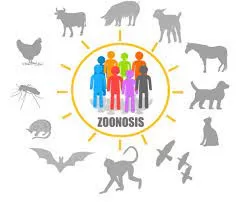
NEW DELHI — The Union Ministry of Health and Family Welfare on July 6, 2026, launched a comprehensive Learning Resource Package and a suite of specialized e-learning modules aimed at strengthening India’s surveillance, laboratory capacity, and workforce for zoonotic diseases. Developed under the National One Health Programme for Prevention and Control of Zoonoses, this new technical toolkit is designed to operationalize a proposed National Action Plan. By utilizing a “One Health” approach—which recognizes that the health of people is closely connected to the health of animals and our shared environment—the initiative looks to build a unified defense against emerging infectious threats across the country.
A Unified Front Against 10 Priority Pathogens
The newly unveiled technical resources provide standardized guidelines and training covering 10 priority zoonotic diseases selected for their high outbreak potential and epidemiological relevance in India.
-
Viral Infections: Nipah virus, mpox, rabies, Zika, Kyasanur Forest Disease (KFD), and Crimean-Congo haemorrhagic fever (CCHF).
-
Bacterial Infections: Anthrax, brucellosis, leptospirosis, and scrub typhus.
The Learning Resource Package arms healthcare professionals with detailed technical briefs, clinical features, surveillance case definitions, diagnostic pathways, and standardized control measures. Meanwhile, the accompanying e-learning modules are engineered to build core competencies for clinicians, veterinarians, public health officers, and frontline workers. This dual-track approach ensures that handlers of both human and animal health speak the same medical language when an outbreak occurs.
The national rollout took place in New Delhi during a National Multistakeholder Consultation. Senior representatives from human health, animal health, wildlife, environment, academia, and development sectors attended to review implementation strategies and draft chapters of the upcoming National Action Plan.
Digital Integration and Modern Tools
A cornerstone of the new strategy is its integration with the Integrated Health Information Platform (IHIP) 2.0. Officials at the consultation emphasized expanding sentinel surveillance sites—designated healthcare facilities that monitor specific diseases—and strengthening the existing laboratory network to feed real-time data directly into IHIP 2.0.
Furthermore, the framework envisions using digital tools, including artificial intelligence (AI), for early warning systems and outbreak prediction. By aggregating data from both veterinary clinics and human hospitals, the system aims to spot unusual spikes in animal illnesses before they spill over into human populations.
“Zoonotic diseases continue to present persistent public health and economic threats,” stated Rakesh Gupta, Additional Secretary of the Ministry of Health and Family Welfare. “The government remains deeply committed to multisectoral coordination and evidence-based decision-making to safeguard our communities.”
Ranjan Das, Director of the National Centre for Disease Control (NCDC), reiterated this commitment, noting that the NCDC will focus heavily on strengthening integrated disease surveillance and laboratory networks to turn the One Health philosophy into a functional reality.
What This Means for Daily Healthcare and Public Health
For clinicians and veterinarians on the ground, the standardized e-learning modules represent a shift toward proactive medicine. Clinicians will receive explicit training on identifying early, often ambiguous symptoms of zoonotic syndromes, executing safe sample collection, and navigating rapid reporting channels.
For public health authorities, linking these trained frontline workers to IHIP 2.0 could drastically shorten detection-to-response times. Catching a localized cluster of a disease like leptospirosis or scrub typhus days earlier can mean the difference between a contained event and a widespread regional crisis.
For the general public, the long-term goal of this framework is a noticeable reduction in the size, severity, and economic impact of zoonotic outbreaks.
Limitations, Challenges, and Counterarguments
While independent public health experts have widely welcomed the training package, many voice caution regarding its execution. A primary concern is that educational modules and digital dashboards are necessary tools, but they cannot replace physical infrastructure.
Independent specialists attending the consultation noted that the ultimate success of the One Health framework hinges on state-level operationalization. Because health is primarily a state subject under India’s administrative structure, individual States and Union Territories must show sustained funding and political commitment to translate these national guidelines into local action plans.
Furthermore, stark inequities in healthcare access persist. Rural, tribal, and resource-limited settings often face severe barriers to basic internet connectivity, functional diagnostic laboratories, and consistent workforce retention. Without targeted funding to bridge these rural-urban divides, the national e-learning package risks leaving the most vulnerable, high-risk interfaces unmonitored.
Finally, the inclusion of AI and automated digital surveillance tools introduces technical caveats. While predictive algorithms can speed up detection, they require careful validation and transparent baseline data to avoid false alarms or, conversely, missing atypical clinical presentations. Experts stress that human oversight and clinical intuition must remain the final arbiters of any digital warning system.
Navigating the Road Ahead
The launch of these modules marks a critical institutional step toward an evidence-based, coordinated national response to zoonotic threats. However, public health experts emphasize that this toolkit is an administrative framework rather than an immediate guarantee of outbreak prevention. Measurable gains in public safety will require continuous monitoring, transparent data sharing between veterinary and human health departments, and robust state funding.
For individual citizens, the message remains one of standard, responsible prevention. While authorities work to strengthen the macroscopic surveillance grid, everyday defensive measures remain vital: practicing safe animal handling, maintaining strict food hygiene, avoiding contact with sick wildlife or stray livestock, and seeking immediate medical care at a qualified healthcare facility if suspicious or persistent symptoms develop.
References and Sources
-
Ministry of Health and Family Welfare (MOHFW), Government of India: Official press releases and consultation briefings, National Multistakeholder Consultation on the National Action Plan for Prevention and Control of Zoonoses, July 6–7, 2026.
Medical Disclaimer: This article is for informational purposes only and should not be considered medical advice. Always consult with qualified healthcare professionals before making any health-related decisions or changes to your treatment plan. The information presented here is based on current research and expert opinions, which may evolve as new evidence emerges.