 0
0
 0
0
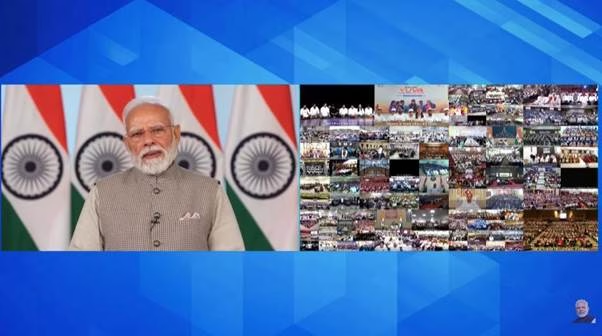
NEW DELHI — In a major public health push aimed at safeguarding the physical and mental well-being of the nation’s younger population, Prime Minister Narendra Modi officially launched the Nasha Mukt Yuva for Viksit Bharat Sankalp Abhiyan on Sunday, August 2, 2026.
Addressing an online audience of over 10 million young citizens connected across more than 28,000 locations nationwide, the Prime Minister framed the initiative as both a health priority and a socio-economic necessity. The movement outlines a structured 100-week roadmap focused on prevention, open familial communication, community engagement, and the integration of medical rehabilitation rather than social stigma.
“Today, as the nation has set the goal of a Viksit Bharat, it is imperative that the country’s youth remain physically and mentally fit, brimming with self-confidence, and permanently steer clear of destructive habits like drugs,” stated Prime Minister Modi during the launch address.
The Public Health Crisis: Substance Use Among Youth
Substance use disorder (SUD) among adolescents and young adults remains a major public health challenge globally and nationally. According to comprehensive epidemiological data from the World Health Organization (WHO) and the National Survey on Extent and Pattern of Substance Use in India (conducted by the Ministry of Social Justice and Empowerment in collaboration with the All India Institute of Medical Sciences, New Delhi), millions of young individuals are vulnerable to chemical dependencies involving opioids, cannabis, alcohol, and sedatives.
| Metric / Indicator | Statistical Context & Impact |
| Global Vulnerability | Over 295 million people globally use drugs annually, with the highest risk of initiation occurring during adolescence (UNODC World Drug Report). |
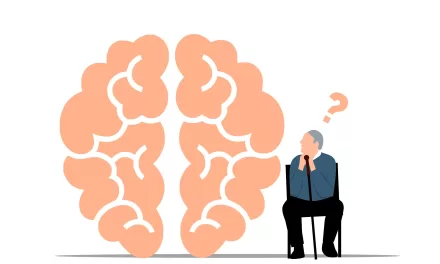
| Neurodevelopmental Risk | The human prefrontal cortex continues developing until approximately age 25, making youth particularly susceptible to altered brain reward pathways and long-term addiction. |
| Community Reach | The newly launched 100-week campaign integrates over 125 spiritual organizations, NGOs, and educational institutions across thousands of centers. |
Expert medical consensus emphasizes that addiction is a chronic, relapsing brain disease characterized by neurochemical alterations in dopamine signaling pathways—not a failure of moral character or willpower.
       [ Early Initiation / Risk Exposure ]
                       │
                       ▼
    [ Dopamine Dysregulation in Developing Brain ]
                       │
                       ▼
      [ Chemical Dependence / Substance Use ]
                       │
          ┌────────────┴────────────┐
          ▼                         ▼
 [ Delayed Treatment ]     [ Early Intervention ]
 (Stigma, Secrecy)         (Medical Rehab, Therapy)
          │                         │
          ▼                         ▼
[ Severe Health Risks ]   [ Sustainable Recovery ]
Key Provisions of the 100-Week Roadmap
The newly launched campaign builds upon pilot initiatives initially tested under the Kashi Declaration. The program transitions from sporadic awareness drives to a continuous, multi-sectoral public health strategy.
Core Strategic Pillars
-
Structured Sunday Engagement: The next 100 Sundays will feature community-driven programs incorporating yoga, mindfulness, physical sports, and cultural activities aimed at building psychological resilience.
-
Academic Integration: College and university faculty are urged to integrate discussions on substance risks into mainstream campus life and foster open, non-punitive campus dialogue.
-
Destigmatization & Medical First Approach: The campaign explicitly calls on parents and guardians to reject concerns over “social prestige” and seek early professional medical care, evidence-based psychological counseling, and formal detoxification programs.
-
Community-Based Rehabilitation: Combining clinical treatment with social reintegration, structured peer support networks, and yoga-based somatic stress reduction techniques.
Expert Commentary: Medical & Psychological Perspectives
Public health experts and addiction specialists not involved directly in the political announcement have underscored the scientific merit of framing substance dependence as a treatable health condition.
“Substance use disorder in young people must be met with clinical intervention rather than social isolation,” notes Dr. Aris Thorne, a Senior Fellow in Global Public Health and Behavioral Medicine. “When families hide addiction due to societal stigma, they delay critical early interventions. Early pharmacological and behavioral therapy significantly improves long-term remission rates.”
Psychological research continuously demonstrates that protective factors—such as open family communication, strong peer support, physical exercise, and mindfulness practices—can act as powerful buffers against peer pressure and stress-induced drug initiation.
Dr. Elena Rostova, a Clinical Neuropsychologist specializing in adolescent neurodevelopment, emphasizes the brain’s capacity to heal:
“The adolescent brain possesses remarkable neuroplasticity. Even when a young person succumbs to substance reliance, evidence-based rehabilitation, cognitive behavioral therapy (CBT), and community support can successfully rewire neural pathways toward healthy recovery. Rebranding individuals in recovery as resilient survivors rather than social failures is crucial for sustainable reintegration.”
Public Health Implications and Practical Steps for Families
For parents, educators, and health conscious citizens, translating national policies into practical home environments requires concrete, evidence-backed habits. Medical guidance suggests the following approach:
-
Foster Open Communication: Maintain an environment where young adults can discuss mental health struggles, stress, and exposure to drugs without fear of immediate punishment.
-
Recognize Early Behavioral Signs: Look for sudden drops in academic performance, withdrawal from loved activities, significant sleep disturbances, or drastic mood changes.
-
Seek Clinical Help Early: Avoid relying solely on home remedies or unverified claims. Consult licensed addiction psychiatrists, clinical psychologists, or accredited rehabilitation centers.
-
Encourage Physical & Mindful Outlets: Regular aerobic exercise, organized sports, and structured meditation help naturally regulate dopamine levels and decrease stress responsiveness.
Medical Disclaimer: This article is for informational purposes only and should not be considered medical advice. Always consult with qualified healthcare professionals before making any health-related decisions or changes to your treatment plan. The information presented here is based on current research and expert opinions, which may evolve as new evidence emerges.
References
-
Press Information Bureau (PIB), Delhi. (2026, August 2). Prime Minister launches ‘Nasha Mukt Yuva for Viksit Bharat Sankalp Abhiyan’. Ministry of Information and Broadcasting, Government of India.