 0
0
 0
0
In a significant leap forward for our understanding of the “gut-brain axis,” a comprehensive systematic review published in early 2026 suggests that specific probiotics do more than just settle an upset stomach—they may actually reshape how the brain processes emotion.
The analysis, led by researchers at Örebro University in Sweden, reveals that oral probiotics can induce measurable changes in brain structure and function in adults with Irritable Bowel Syndrome (IBS). Most notably, the study found that certain “psychobiotics” can dampen activity in the amygdala, the brain’s emotional fire alarm, providing a biological explanation for why gut health interventions often lead to reduced symptoms of depression and anxiety.
A New Frontier in Mental Health
For decades, the medical community viewed IBS primarily as a digestive disturbance. However, with up to 95% of IBS patients also reporting symptoms of anxiety or depression, the focus has shifted toward the bidirectional communication line known as the gut-brain axis.
The 2026 review synthesized data from 19 randomized controlled trials involving 762 participants. Using advanced neuroimaging—including functional MRI (fMRI) and EEG—researchers tracked how the brain responded to probiotic intervention. The results were consistent: participants taking specific strains, particularly Bifidobacterium longum, showed a significant reduction in neural reactivity to negative emotional stimuli.
“This review provides robust evidence that probiotics influence brain health objectively via imaging, beyond self-reports,” says Julia Rode, a researcher at Örebro University and co-author of the review. “We are seeing a direct correlation between the stabilization of the gut microbiome and the calming of emotion-processing regions in the brain.”
The “Second Brain” and the Amygdala
IBS is currently classified as a disorder of gut-brain interaction. It affects approximately 11% of the global population, causing chronic abdominal pain and bloating. In patients with comorbid depression, the amygdala—the region responsible for the “fight or flight” response—often remains hyperactive.
The review highlighted a landmark pilot study involving 44 adults with IBS and mild-to-moderate depression. Participants received a daily dose of Bifidobacterium longum NCC3001 ($10^{10}$ CFU) for six weeks. The results were striking:
-
64% of the probiotic group saw a significant drop in depression scores.
-
32% of the placebo group showed improvement, making the probiotic nearly twice as effective.
-
fMRI scans confirmed reduced engagement in the amygdala and fronto-limbic areas when patients were shown images of fearful faces.
Dr. Premysl Bercik, a gastroenterologist at McMaster University and senior author of the 2017 trial featured in the review, explains that these effects appear to be mediated by the vagus nerve—the “information highway” connecting the gut to the brain—and occur independently of changes in gut inflammation.
Why Bifidobacterium longum?
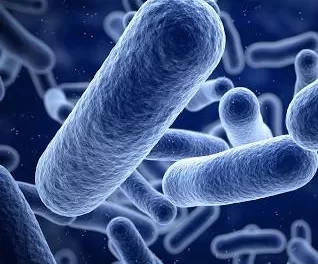
While the gut contains trillions of bacteria, not all probiotics are created equal. The review identified Bifidobacterium longum strains as the “key players” in modulating neural activity.
Think of the gut as a “second brain.” When the microbiome is in a state of dysbiosis (imbalance), it can send distress signals to the central nervous system, worsening both physical pain and mental distress. Probiotics act like a tuning fork, restoring balance and “dimming” the neural overreactions that characterize both IBS and clinical depression.
Independent experts emphasize that this specificity is crucial. “Brain-gut modulation is real, but it is highly strain-specific,” notes neuroscientist Kirsten Tillisch, whose foundational work in the 2010s paved the way for current psychobiotic research. “While Bifidobacterium longum stands out, we cannot assume all yogurt or over-the-counter supplements will yield these specific neurological results.”
Public Health and Daily Decisions
The implications for public health are vast, particularly in regions like India, where IBS prevalence is near 10% and mental health resources are often stretched thin. Probiotics offer a non-invasive, relatively affordable complement to traditional treatments like the low-FODMAP diet or Cognitive Behavioral Therapy (CBT).
For the average consumer, this research suggests that managing IBS should involve a holistic approach. Practical steps might include:
-
Targeted Supplementation: Looking for clinically validated strains like B. longum 1714 or NCC3001.
-
Fiber-Rich Synergy: Maintaining a diet high in fiber to provide the “prebiotic” fuel these beneficial bacteria need to thrive.
-
Consistency: Most studies showed that neural changes required 4 to 6 weeks of daily intake.
Navigating the Limitations
Despite the excitement, the medical community urges a balanced perspective. Most studies in the review were relatively small, with a median of about 40 participants, and the duration of the trials was short-term.
“These findings align with meta-analyses showing probiotics ease depressive symptoms, but larger, multi-center trials are needed before we can rewrite clinical guidelines for IBS,” cautions Dr. Alexander Ford, a professor of gastroenterology at the University of Leeds.
Critics also point out the “placebo effect” in gut health remains high. In the primary B. longum study, 32% of people felt better taking a sugar pill, highlighting how much our expectations can influence our digestive and mental well-being. Furthermore, the FDA still classifies probiotics as dietary supplements rather than drugs, meaning they do not undergo the same rigorous approval process for treating specific diseases.
The Future of Psychobiotics
Looking ahead, the goal is “personalized psychobiotics.” Researchers envision a future where a patient’s microbiota is profiled via a stool sample, allowing doctors to prescribe specific bacterial strains tailored to that individual’s neural and digestive needs.
As researchers move toward larger longitudinal studies, the 2026 review stands as a pivotal milestone. It moves the conversation away from “wellness trends” and into the realm of hard science, proving that the secret to a calmer mind may very well reside in the gut.
Reference Section
- https://www.medscape.com/viewarticle/probiotic-treatment-linked-positive-brain-changes-people-ibs-2026a1000e90
Medical Disclaimer: This article is for informational purposes only and should not be considered medical advice. Always consult with qualified healthcare professionals before making any health-related decisions or changes to your treatment plan. The information presented here is based on current research and expert opinions, which may evolve as new evidence emerges.