 0
0
 0
0
Shimla, Himachal Pradesh — August 2025 — Efforts to combat tuberculosis (TB) in Shimla are gaining momentum with a novel focus on nutrition, as local officials explore the integration of locally produced, nutritious items in food kits distributed to TB patients. This initiative aims to support treatment outcomes and patient recovery by leveraging high-quality, medicinally valuable products from self-help groups, alongside extensive community awareness programs.
Key Developments
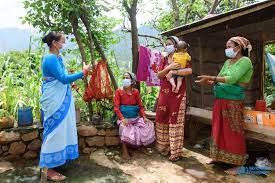
Shimla’s Deputy Commissioner, Anupam Kashyap, underscored the potential of local nutritional products to reinforce TB patient care. At a recent District Tuberculosis Elimination Committee meeting, he highlighted the importance of involving community resources and awareness drives across 313 gram panchayats to educate people about TB and reduce stigma that hampers patient support and hospital visits.
Between January and July 2025, Shimla made significant strides under the National TB Elimination Program. The district reported 1,226 TB cases against a target of 1,301 and conducted extensive screenings and tests, including 918 HIV tests and 916 diabetes tests. Currently, 764 TB patients are under care, with 144 receiving three-basket food kits and 11 receiving six-basket kits enriched with nutritional support. The treatment success rate is progressing but still below the target, indicating room for improvement .
Expert Perspectives
Dr. Meera Sharma, an infectious disease specialist not involved in the Shimla initiative, emphasized the crucial role of nutrition in TB management. “Malnutrition significantly weakens the immune system, which is vital for fighting TB infections,” she explained. “Integrating local, nutrient-rich foods into treatment regimens can improve patients’ energy, immunity, and overall treatment adherence.” Dr. Sharma also noted the psychological boost that locally sourced, culturally familiar foods provide, which can enhance patient morale during prolonged treatment courses.
Context and Background
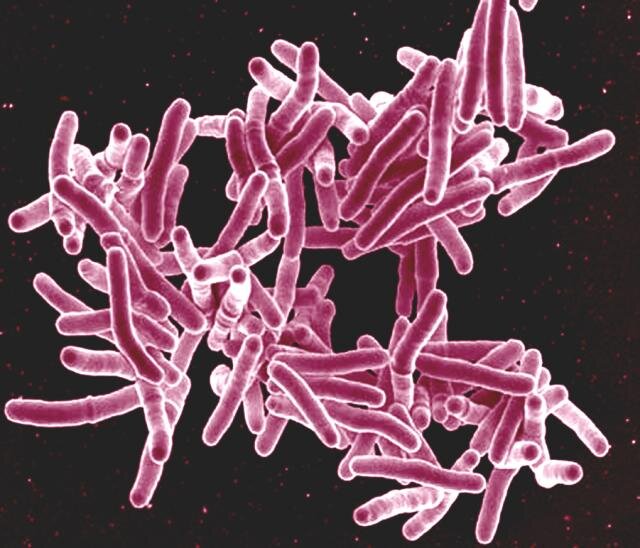
Tuberculosis remains a global public health challenge, particularly in low- and middle-income regions. Malnutrition is a well-documented risk factor for both acquiring TB and poorer treatment outcomes, as it compromises immune defenses. The World Health Organization (WHO) recommends nutritional support as part of integrated TB care to improve recovery and reduce disease transmission.
Shimla’s approach to include community-driven production in food support aligns with broader public health goals of sustainable, locally adapted solutions. By involving self-help groups and local producers, the program fosters economic empowerment alongside health benefits.
Public Health Implications
This initiative exemplifies a multi-sectoral approach that combines medical treatment with social and nutritional interventions, reflecting a nuanced understanding of TB control. Enhanced nutrition supports immune function, treatment tolerance, and reduces relapse risk. Moreover, community engagement reduces stigma, encouraging more patients to seek timely care.
However, systematic screening gaps remain. Although the 2024–2025 TB Mukt Abhiyan aimed to screen over 183,000 people, only about 120,000 were screened, indicating challenges in outreach and accessibility. Scaling up screening and nutritional support could further accelerate TB elimination efforts in Shimla .
Limitations and Counterpoints
While nutritional support is promising, some experts caution against overestimating its impact without comprehensive medical treatment adherence. Dr. Rahul Verma, a TB program consultant, pointed out, “Nutrition alone cannot cure TB; it must complement timely diagnosis, availability of drugs, and monitoring.” He also highlighted that food kit distribution logistics and patient follow-up require robust administrative systems to ensure consistent delivery and utilization.
Additionally, the quality and medicinal claims of local products need scientific validation to ensure safety and efficacy. Randomized controlled trials are essential to establish definitive benefits and prevent misinformation.
Practical Takeaways
For individuals and caregivers, this development stresses the importance of balanced nutrition during TB treatment. Incorporating protein-rich, vitamin-enriched foods can support recovery alongside prescribed medication. Community members are encouraged to support awareness efforts, reduce stigma, and promote health-seeking behaviors.
In conclusion, Shimla’s innovative use of local nutritional products to enhance TB patient care represents a hopeful step in integrated disease management. Its success could serve as a model for similar regions confronting TB amidst socio-economic challenges.
Medical Disclaimer: This article is for informational purposes only and should not be considered medical advice. Always consult with qualified healthcare professionals before making any health-related decisions or changes to your treatment plan. The information presented here is based on current research and expert opinions, which may evolve as new evidence emerges.
References
-
https://www.tribuneindia.com/news/himachal/fighting-tb-with-nutrition-shimla-explores-local-products-for-patient-care/