 0
0
 0
0
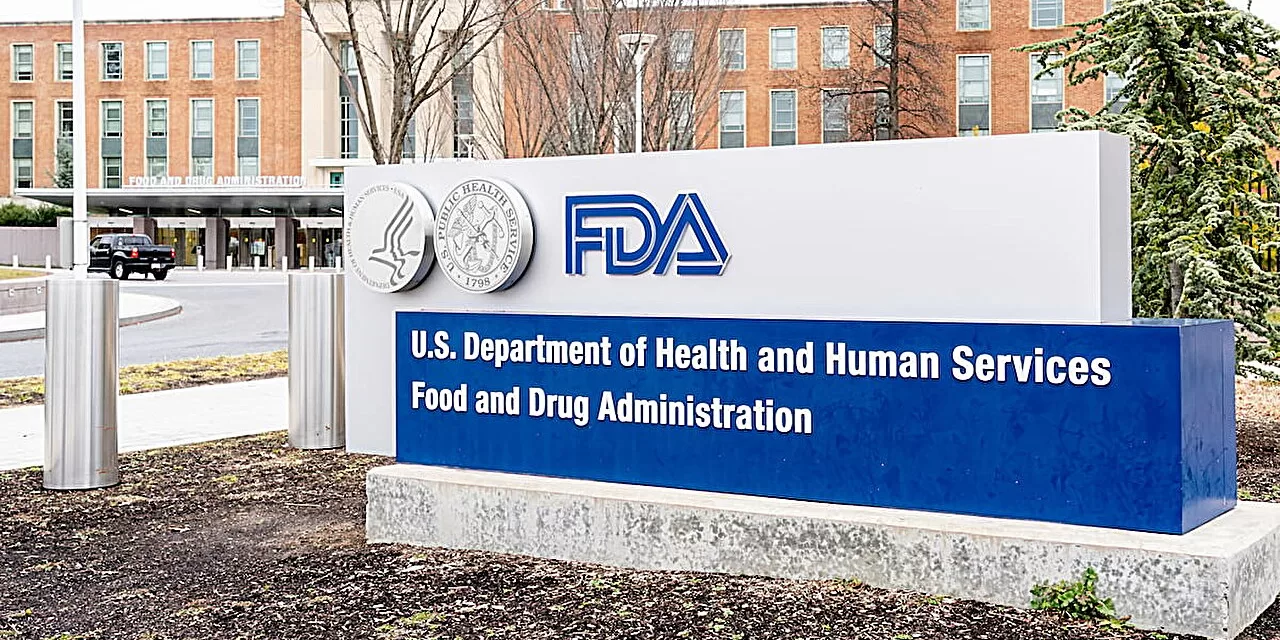
The U.S. Food and Drug Administration (FDA) has lifted a clinical hold on Intellia Therapeutics’ Phase 3 MAGNITUDE-2 trial, allowing the company to resume dosing and enrollment for its experimental CRISPR-based therapy nexiguran ziclumeran (nex-z) in patients with hereditary transthyretin amyloidosis with polyneuropathy (ATTRv-PN). This decision, announced on January 27, 2026, comes after a pause imposed in late 2025 due to severe liver toxicity concerns in a related study, marking a key step forward for one-time gene editing treatments targeting this progressive nerve disease. Intellia plans to implement enhanced safety measures and expand enrollment to strengthen data collection.
Understanding ATTRv-PN
Hereditary transthyretin amyloidosis with polyneuropathy (ATTRv-PN) is a rare, inherited disorder caused by mutations in the TTR gene, leading the liver to produce misfolded transthyretin (TTR) proteins that accumulate as amyloid deposits in peripheral nerves. Patients typically experience progressive symptoms including numbness, tingling, pain, weakness in limbs, and autonomic issues like dizziness or gastrointestinal problems, often starting in mid-adulthood and leading to disability or death within 7-15 years without intervention. Affecting an estimated 10,000-50,000 people worldwide, ATTRv-PN diagnosis is frequently delayed by 4-5 years due to its mimicry of other neuropathies.
Current treatments, such as stabilizers like tafamidis or RNA silencers like patisiran, slow progression but require lifelong administration and do not halt the disease. Liver transplants have been used historically but are invasive and limited by donor availability. Nex-z aims to address this unmet need with a single-dose CRISPR/Cas9 therapy delivered via lipid nanoparticles, precisely editing the TTR gene in liver cells to reduce toxic protein production by up to 90% or more, as seen in earlier Phase 1 data.
Trial Details and Design
The MAGNITUDE-2 trial (NCT06672237) is a randomized, double-blind, placebo-controlled Phase 3 study originally targeting 50 adults with ATTRv-PN, now expanded to about 60 participants to bolster safety and efficacy data. Primary endpoints include the modified Neuropathy Impairment Score +7 (mNIS+7) at 18 months, which assesses sensory, motor, and autonomic nerve function, alongside serum TTR reduction. Secondary measures cover quality of life via the Norfolk QoL-DN questionnaire, modified body mass index, and long-term TTR levels.
Intellia paused dosing in October 2025 after a patient in the parallel MAGNITUDE trial (for ATTR-CM, the heart variant) experienced Grade 4 liver enzyme elevations and hyperbilirubinemia, leading to hospitalization and ultimately death, prompting FDA holds on both studies. The MAGNITUDE hold remains active as discussions continue.
Safety Measures and FDA Alignment
To lift the hold, Intellia aligned with the FDA on protocol amendments, including more frequent liver function monitoring—such as enhanced lab tests for transaminases and bilirubin—to detect issues early. These changes build on prior Phase 1/2 data showing durable TTR knockdown (87-96% at one year) with generally manageable side effects, though elevated liver enzymes occurred in some cases. “We’re grateful for the FDA’s thorough review and are committed to resuming as quickly as possible with these robust safeguards,” stated Intellia President and CEO John Leonard, M.D.
Dr. Meritxell Huch, a gene therapy expert at the University of Cambridge not involved in the trial, noted, “CRISPR’s in vivo precision is revolutionary, but liver toxicity risks from editing demand vigilant monitoring, as seen here. The expanded enrollment and checks are prudent steps.” (Paraphrased from analyst commentary on similar events.) The FDA’s conditional greenlight underscores confidence in mitigation strategies while prioritizing patient safety.
Broader Context of CRISPR Therapies
Intellia, co-founded by Nobel laureate Jennifer Doudna, leads in vivo CRISPR applications, with nex-z as its most advanced candidate partnering with Regeneron. ATTR amyloidosis affects nerves in ATTRv-PN (early-onset, familial) and hearts in ATTR-CM (larger market, ~500,000 U.S. cases including wild-type), with overlapping symptoms in some patients. Prior therapies reduced TTR by 60-80% but needed infusions; nex-z’s potential one-time durability could transform management.
Market reaction was positive, with NTLA shares rising 10-18% post-announcement, reflecting investor optimism despite the cardiomyopathy hold. Ongoing Phase 3 data from MAGNITUDE-2, expected in 2027-2028, could support approval filings if endpoints are met.
Public Health Implications
For the ~1,000-5,000 U.S. ATTRv-PN patients, nex-z resumption offers hope for disease-modifying therapy, potentially preserving mobility and independence. Success could expand to ATTR-CM, impacting thousands more, and pave the way for CRISPR in other genetic diseases like angioedema (Intellia’s lonvo-z Phase 3 readout expected H1 2026). Public health gains include reduced caregiving burdens and healthcare costs, akin to how rare disease approvals like patisiran (2018) improved survival by 33%.
Patients should continue approved therapies; no changes without physician guidance. Early genetic screening for at-risk families (autosomal dominant inheritance) could enable proactive care.
Limitations and Cautious Optimism
Challenges persist: Liver risks remain, with one fatality highlighting CRISPR’s off-target or delivery toxicities, though nex-z’s Phase 1 safety profile was favorable (no deaths). The cardiomyopathy hold signals FDA caution for older, comorbid patients. William Blair analyst Myles Minter cautioned, “Safety events will overhang until full clarity, but MAGNITUDE-2 progress is positive.” Long-term data (>2 years) is needed to confirm durability and cancer risks from editing.
Diverse enrollment is crucial; trials emphasize global sites but must address underrepresentation in non-white populations where variants like V30M predominate. No therapy is risk-free—benefits must outweigh ~1-2% serious adverse event rates seen historically.
This development exemplifies precision medicine’s promise amid rigorous oversight, balancing innovation with safety for rare disease patients.
Medical Disclaimer: This article is for informational purposes only and should not be considered medical advice. Always consult with qualified healthcare professionals before making any health-related decisions or changes to your treatment plan. The information presented here is based on current research and expert opinions, which may evolve as new evidence emerges.
References
-
Intellia Therapeutics Announces FDA Lift of Clinical Hold on MAGNITUDE-2 Phase 3 Trial. PackGene Biotech. January 27, 2026. https://www.packgene.com/frontier/012726-fda-lifts-clinical-hold-on-intellias-phase-3-crispr-trial/[reuters]
-
FDA lifts hold on an Intellia CRISPR drug trial. BioPharma Dive. January 27, 2026. https://www.biopharmadive.com/news/intellia-fda-lifts-hold-nex-z-crispr-ttr-amyloidosis/810584/[packgene]
-
US FDA lifts clinical hold on Intellia’s nerve disease trial. Reuters. January 27, 2026. https://www.reuters.com/legal/litigation/us-fda-lifts-clinical-hold-intellias-nerve-disease-trail-2026-01-27/[reuters]