 0
0
 0
0
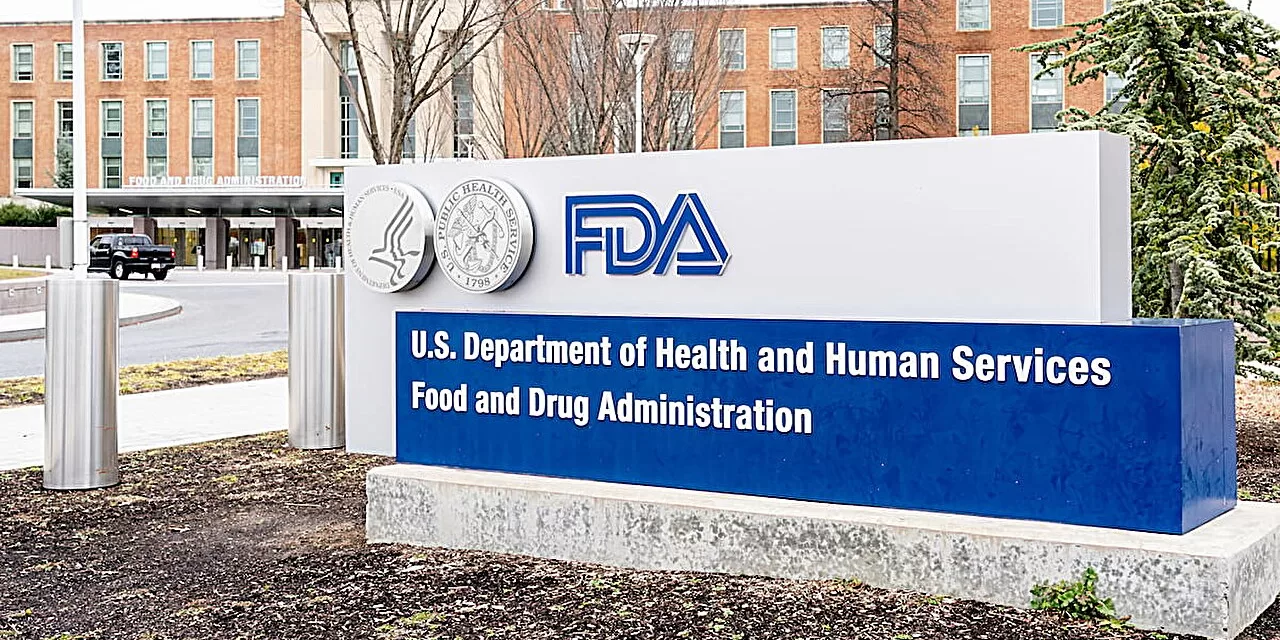
WASHINGTON — In a major development for consumer health and pain management, the U.S. Food and Drug Administration (FDA) has approved “Tylenol with Naproxen,” the first over-the-counter (OTC) fixed-dose combination pill pairing acetaminophen with naproxen sodium. Announced on July 24, 2026, the milestone approval provides adults and children aged 12 and older with a new, long-lasting non-opioid therapeutic option for the temporary relief of common aches and pains.
The single-tablet formulation is specifically indicated for minor pain associated with headaches, backaches, muscle aches, toothaches, menstrual cramps, and minor arthritis pain. Developed by manufacturer Kenvue Brands LLC, the combination is engineered to begin working in under 30 minutes and provide up to 12 hours of continuous pain relief per single dose.
Dual-Action Relief: How the Fixed-Dose Combination Works
The newly approved regimen consists of two active ingredients working in tandem: 325 mg of acetaminophen (the active ingredient in Tylenol) and 110 mg of naproxen sodium (a non-steroidal anti-inflammatory drug, or NSAID) per individual tablet. A standard single dose involves taking two tablets, delivering a total of 650 mg of acetaminophen and 220 mg of naproxen sodium every 12 hours.
Pain management specialists have long utilized multimodal analgesia—combining medications that target pain through distinct biological pathways—to improve symptom control.
                               DUAL-ACTION PAIN RELIEF

    ┌─────────────────────────┐               ┌─────────────────────────┐
    │  Acetaminophen (650mg)  │               │ Naproxen Sodium (220mg) │
    ├─────────────────────────┤               ├─────────────────────────┤
    │  Fast-Acting Analgesic  │               │   Long-Acting NSAID     │
    │  Acts on Central Nervous│   + PLUS +    │   Inhibits COX Enzymes, │
    │  System Pain Pathways   │               │   Reduces Inflammation  │
    └────────────┬────────────┘               └────────────┬────────────┘
                 │                                         │
                 └───────────────────┬─────────────────────┘
                                     │
                                     ▼
                   ┌───────────────────────────────────┐
                   │ Up to 12-Hour Multimodal Relief   │
                   └───────────────────────────────────┘
While acetaminophen works centrally within the nervous system as an analgesic and fever reducer, naproxen sodium targets peripheral inflammation by inhibiting cyclooxygenase (COX) enzymes. Combining these complementary mechanisms allows consumers to achieve greater relief than either drug typically delivers on its own.
According to data submitted to the FDA across eight clinical trials, the fixed-dose combination demonstrated statistically superior pain relief compared to individual doses of acetaminophen or naproxen sodium alone.
“Across the eight clinical studies supporting the FDA approval, the 650-mg acetaminophen and 220-mg naproxen sodium fixed-dose combination consistently outperformed either ingredient alone,” said Dr. Todd Bertoch, MD, a principal investigator at CenExel Clinical Research who was involved in evaluating the clinical program. “What makes this meaningful for clinicians is not just the efficacy; it’s the rigor of the development program and the fact that patients can now access a clinically proven fixed-dose combination over-the-counter.”
The Public Health Context: Non-Opioid Access and Dosing Convenience
The approval arrives amid an ongoing push by public health officials and medical societies to expand accessible, effective non-opioid pain therapies. While opioids were historically overprescribed for moderate acute pain, non-opioid multimodal regimens are now widely recognized as first-line alternatives for common musculoskeletal and inflammatory pain conditions.
A March 2026 consumer survey conducted by Kenvue revealed that roughly 75% of individuals living with persistent pain reported dissatisfaction with their existing single-ingredient over-the-counter relief options. Historically, patients seeking dual-action relief had to purchase separate bottles of acetaminophen and naproxen sodium, calculating offset dosing schedules manually.
By unifying both medications into a single pill, the fixed-dose formulation simplifies dosing regimens, potentially improving patient adherence and reducing the risk of accidental math errors during self-treatment.
Safety Considerations: “Over-the-Counter Does Not Mean Risk-Free”
While OTC availability expands convenience, pharmacologists and regulatory authorities emphasize that over-the-counter status should not be confused with zero risk. The new combination tablet carries standard class warnings for both active ingredients on its Drug Facts label:
-
Liver Injury Risks (Acetaminophen): Consuming more than 4,000 mg of acetaminophen in a 24-hour window, or combining this product with other acetaminophen-containing drugs (such as prescription pain pills, multi-symptom cold remedies, or sleep aids), can cause severe liver damage or failure.
-
Gastrointestinal & Cardiovascular Risks (NSAIDs): Naproxen sodium carries warnings regarding stomach irritation, gastrointestinal ulcers, and bleeding. Extended use of NSAIDs is also linked to an increased risk of heart attack, stroke, and fluid retention.
-
Special Populations: The labeling warns against using NSAID-containing products during the 20th week or later in pregnancy unless specifically directed by a healthcare provider, due to risks of fetal kidney complications and premature closure of the ductus arteriosus.
| Safety Parameter | Acetaminophen Component | Naproxen Sodium Component |
| Primary Risk | Hepatotoxicity (Liver damage) | GI ulceration & cardiovascular events |
| Max Daily Cap | 4,000 mg/day across all sources | Use lowest effective dose for shortest duration |
| Key Precaution | Avoid concurrent acetaminophen meds | Avoid in late pregnancy & active ulcer disease |
Healthcare professionals caution that fixed-dose combinations also reduce dosing flexibility. Patients who only require mild pain relief or those with contraindications to NSAIDs—such as a history of peptic ulcer disease, chronic kidney disease, or uncontrolled hypertension—should avoid combination NSAID pills and consult their physician.
Limitations and Clinical Guidance
While clinical trials established the product’s 12-hour duration and additive efficacy, observational data on long-term real-world use remains to be gathered. Medical experts stress that over-the-counter pain relievers are designed for short-term management of acute symptoms—typically not exceeding 10 days for general pain or 3 days for fever without a physician’s oversight.
Physicians advise consumers to evaluate persistent or recurrent pain rather than masking underlying conditions with continuous OTC medication. Pain accompanied by unexplained weight loss, localized swelling, high fever, or neurological symptoms (such as numbness or weakness) warrants prompt medical evaluation.
For healthy individuals seeking short-term pain control, “Tylenol with Naproxen” represents a notable expansion in non-prescription therapeutics. As the product rolls out to major U.S. retail pharmacies, reading Drug Facts labels thoroughly and consulting a local pharmacist remain the best steps toward safe, effective pain management.
References
-
Pharmacy Times. “FDA Approves First OTC Acetaminophen–Naproxen Combination for 12-Hour Pain Relief.” Published July 24, 2026.
Medical Disclaimer: This article is for informational purposes only and should not be considered medical advice. Always consult with qualified healthcare professionals before making any health-related decisions or changes to your treatment plan. The information presented here is based on current research and expert opinions, which may evolve as new evidence emerges.