 0
0
 0
0
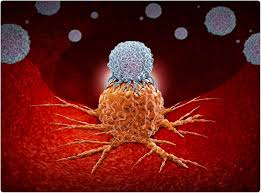
Researchers at MIT and Harvard Medical School have developed a novel type of engineered immune cell, called invisible CAR-NK cells, which show great promise in obliterating cancer while evading the body’s immune rejection. This new advancement could revolutionize cancer immunotherapy by making treatments safer, more effective, and readily available.
The Challenge in Cancer Immunotherapy
Engineered immune cells, particularly CAR-T cells, have transformed treatment for blood cancers like lymphoma and leukemia by training the immune system to attack cancer cells. However, these therapies face significant obstacles: they typically require weeks to engineer from a patient’s own cells, and the infused cells are often attacked by the host’s immune system, limiting efficacy.
Key Developments
MIT and Harvard researchers created chimeric antigen receptor natural killer (CAR-NK) cells with genetic modifications that allow them to “hide” from the patient’s immune system. Normally, host T cells recognize donor NK cells by surface proteins called HLA class 1, triggering immune rejection. The scientists engineered the CAR-NK cells to suppress these HLA proteins using short interfering RNA (siRNA), making the cells invisible to immune detection.
In addition to hiding from immune attack, the CAR-NK cells were enhanced to have increased tumor-killing power by expressing proteins PD-L1 or single-chain HLA-E. The entire genetic modification, including the CAR gene targeting cancer cells and the immune-evasion genes, was delivered on a single DNA construct, enabling efficient one-step engineering.
Findings from Preclinical Studies
In mice with human-like immune systems, these engineered CAR-NK cells maintained their presence for at least three weeks and nearly eliminated lymphoma tumors. In contrast, unmodified NK cells or CAR-NK cells without the immune-evasion modifications were rapidly destroyed by the host immune system, allowing the cancer to progress unchecked.
Notably, these invisible CAR-NK cells caused fewer side effects such as cytokine release syndrome, a serious complication often seen with CAR-T therapies, suggesting a better safety profile.
Expert Perspectives
Jianzhu Chen, MIT biology professor and senior author, highlighted that this approach enables off-the-shelf CAR-NK cell therapies that are safer and more effective, addressing both immune rejection and treatment speed challenges. Rizwan Romee, associate professor at Harvard Medical School and Dana-Farber Cancer Institute, co-led the study published in Nature Communications.
Background on Natural Killer Cells and CAR Technology
Natural killer (NK) cells are frontline soldiers of the innate immune system that identify and destroy cancerous or virus-infected cells, primarily by releasing proteins that induce cell death. CAR (chimeric antigen receptor) technology programs immune cells to specifically recognize proteins on cancer cells. Unlike CAR-T cells, CAR-NK cells offer potential advantages such as intrinsic cancer recognition and less risk of severe side effects.
Implications for Public Health
This innovation could dramatically improve the accessibility and effectiveness of cancer immunotherapy. The ability to produce immune-evasive CAR-NK cells from healthy donors in bulk permits immediate treatment upon diagnosis, bypassing lengthy personalized engineering processes. Reduced immune rejection increases the therapeutic window, potentially increasing remission rates for patients with lymphoma and other cancers.
Limitations and Future Directions
While promising, these findings are currently limited to preclinical models. Clinical trials are needed to verify safety, efficacy, and scalability in humans. The technology must also adapt for solid tumors, which pose additional challenges for immunotherapy. Researchers are further exploring this platform for autoimmune disorders like lupus, broadening its therapeutic potential.
Conclusion
MIT and Harvard’s creation of immune-invisible CAR-NK cells represents a significant leap toward more accessible, effective, and safer cancer immunotherapies. By overcoming immune rejection and improving tumor destruction, these engineered cells may finally fulfill the promise of off-the-shelf immune cell therapies for diverse patient populations.
Medical Disclaimer: This article is for informational purposes only and should not be considered medical advice. Always consult with qualified healthcare professionals before making any health-related decisions or changes to your treatment plan. The information presented here is based on current research and expert opinions, which may evolve as new evidence emerges.
References