 0
0
 0
0
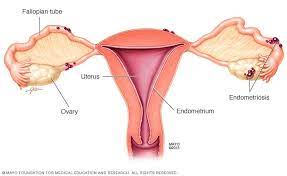
Emerging evidence highlights that endometriosis—a chronic condition affecting roughly 10% of women of reproductive age—can significantly complicate pregnancy, particularly in those with more severe forms of the disease. Recent studies indicate that women with endometriosis face higher risks of several obstetric complications, including miscarriage, preterm birth, placenta previa, and intrauterine growth restriction (IUGR).
Key Findings on Pregnancy Complications
-
Placenta Previa: Women with advanced-stage or deep infiltrating endometriosis are at a notably higher risk of developing placenta previa, a condition where the placenta covers the cervix and can lead to severe bleeding during delivery.
-
Preterm Birth: The likelihood of delivering prematurely is increased, especially in cases involving deep infiltrating endometriosis affecting the bladder or rectum.
-
Miscarriage: Studies suggest that endometriosis, even in its superficial form, elevates the risk of miscarriage compared to women without the condition.
-
Intrauterine Growth Restriction (IUGR): Babies born to mothers with deep infiltrating or advanced-stage endometriosis are more likely to be small for gestational age due to restricted growth in the womb.
-
Assisted Reproductive Technology (ART): The use of ART further amplifies these risks, making individualized obstetric management crucial for women with endometriosis who conceive through these methods.
Conflicting Evidence and Rare Complications
While the association between endometriosis and certain complications like pre-eclampsia and stillbirth remains inconclusive, some studies report a moderate increase in risk, especially in women with deep lesions. Acute, life-threatening complications such as spontaneous hemoperitoneum or bowel involvement are rare but possible, underscoring the need for heightened clinical awareness during pregnancy in women with known endometriosis.
Impact on Fertility and Pregnancy Management
Endometriosis is a leading cause of infertility, with about one in three women with the condition experiencing difficulty conceiving. However, many women with endometriosis do go on to have healthy pregnancies. The severity and location of lesions, as well as the use of fertility treatments, play a significant role in determining pregnancy outcomes.
Expert Recommendations
Given these findings, experts recommend that women with endometriosis—especially those with severe or deep lesions—receive tailored prenatal care and monitoring. Obstetricians may consider more frequent ultrasounds or early intervention strategies to manage potential complications.
“Endometriosis, particularly ovarian and deep infiltrating, significantly increases the risk of placenta previa, preterm birth, IUGR, and miscarriage. ART conception further amplifies these risks. Lesion-specific trends suggest a need for individualized obstetric management
Disclaimer:
This article summarizes current research findings on the relationship between endometriosis and pregnancy complications. It is intended for informational purposes only and should not be considered medical advice. Individuals concerned about endometriosis or pregnancy risks should consult their healthcare provider for personalized guidance and care.