 0
0
 0
0
January 11, 2026
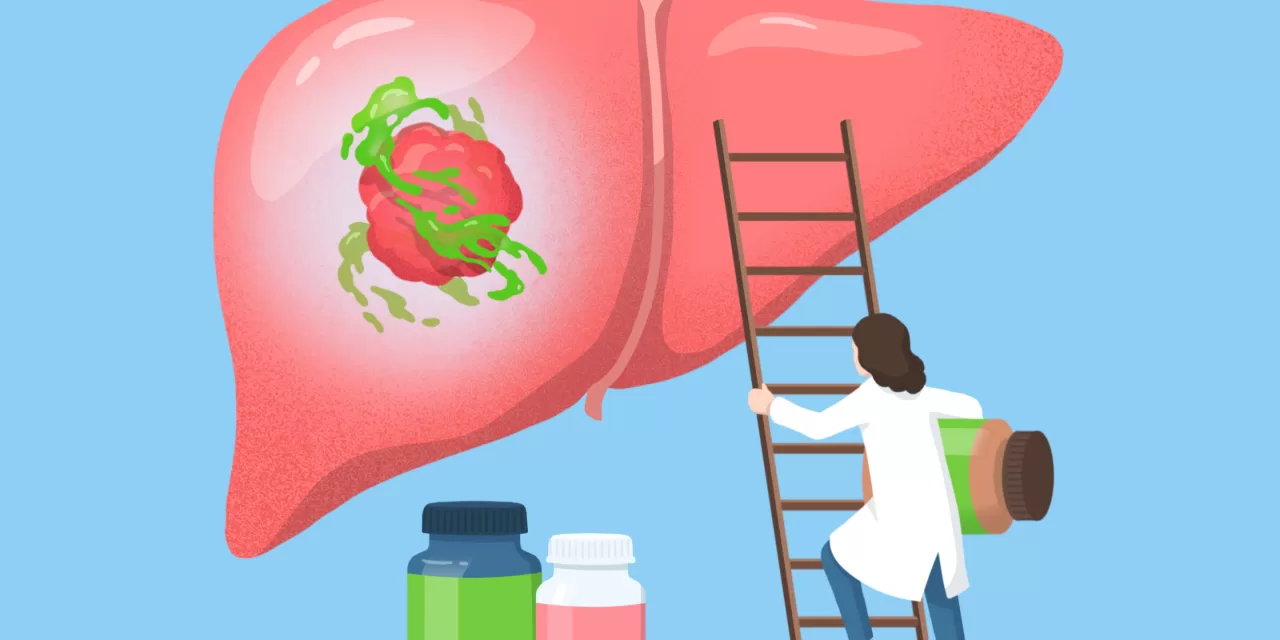
NANJING, China — In a potential breakthrough for millions of patients living with chronic liver disease, researchers have identified an unexpected drug pairing that effectively halts and reverses liver fibrosis. By combining silybin, a derivative of milk thistle, with the common blood pressure medication carvedilol, scientists at China Pharmaceutical University achieved a synergistic effect that outperformed current experimental treatments.
The study, published in the journal Targetome in late 2025, offers a “repurposed” ray of hope for a condition that currently has no FDA-approved pharmaceutical cure. By utilizing two medications already widely available and deemed safe for other uses, the research team may have cleared a significant hurdle in the typically decade-long race to bring new treatments to market.
The Silent Epidemic of Liver Scarring
Liver fibrosis is a wound-healing response gone wrong. When the liver is repeatedly damaged—whether by heavy alcohol use, viral hepatitis, or metabolic dysfunction-associated steatotic liver disease (MASLD)—it attempts to repair itself by building a “scaffold” of connective tissue.
“Think of fibrosis like a thick internal scab that never stops growing,” explains Dr. Elena Rossi, a hepatologist not involved in the study. “Eventually, that scar tissue replaces healthy liver cells, leading to cirrhosis, liver failure, or cancer. We have been searching for a way to ‘turn off’ the cells responsible for this scarring for thirty years.”
At the heart of this process are hepatic stellate cells (HSCs). In a healthy liver, these cells sit quietly, storing Vitamin A. But when injury occurs, they “activate,” transforming into collagen-producing factories. Because multiple biological “switches” control this activation, drugs that target only one pathway have historically failed in clinical trials.
The Silybin Puzzle: Protection Without Prevention
Silybin, the primary active component of silymarin (milk thistle), has long been a staple in liver health discussions. The research team, led by Hong Wang and Haiping Hao, confirmed that silybin is excellent at protecting liver cells from oxidative stress and inflammation.
However, their laboratory tests revealed a critical limitation: silybin alone is remarkably weak at stopping the actual formation of scar tissue. In animal models, while silybin kept liver cells alive, it only marginally reduced the expression of fibrotic genes like COL1A1 and ACTA2.
“Silybin is a great shield, but it isn’t a very good sword,” says Dr. Marcus Thorne, a clinical researcher in metabolic health. “It protects the house from catching fire, but it doesn’t do much to clear out the debris once the structure has already collapsed.”
A “Synergistic” Breakthrough
To find a partner for silybin, the researchers screened 397 FDA-approved drugs. They were looking for synergy—a phenomenon where two drugs work together to produce an effect greater than the sum of their individual parts.
The winner was carvedilol, a beta-blocker typically used to treat high blood pressure and heart failure.
When the two drugs were combined at a specific 50:1 ratio (silybin to carvedilol), the results were transformative. In mice with advanced liver damage, the combination:
-
Significantly reduced collagen buildup.
-
Lowered liver enzyme levels (markers of damage).
-
Outperformed obeticholic acid, a leading drug currently in global clinical trials for liver disease.
Why This Combo Works
The study found that the duo targets the Wnt/β-catenin signaling pathway. This is a major communication system within the body that, when overactive, tells hepatic stellate cells to keep producing scar tissue. The silybin-carvedilol pairing effectively “mutes” this signal, allowing the liver a window to begin healing.
Faster Path to Patients?
The most significant aspect of this discovery isn’t just the biology—it’s the logistics. Because both silybin and carvedilol are already off-patent and have well-documented safety profiles, the path to human clinical trials could be significantly shorter than for an entirely new chemical entity.
“Repurposing existing drugs is the ‘fast track’ of modern medicine,” says Dr. Rossi. “We already know how the human body handles these substances. The challenge now is proving this specific 50:1 ratio works as effectively in humans as it does in the lab.”
Statistical Context: The Global Burden
-
1 in 4: Approximate number of adults globally with some form of fatty liver disease.
-
0: Number of FDA-approved “antifibrotic” drugs currently on the market.
-
50:1: The specific ratio identified as most effective in the Targetome study.
Limitations and Caveats
While the results are promising, experts urge caution. The study was conducted primarily in animal models and laboratory cell cultures. Mouse physiology, while similar to humans, does not always predict human outcomes with 100% accuracy.
Furthermore, carvedilol is a potent cardiovascular medication. Patients with low blood pressure or certain heart conditions may not be suitable candidates for this specific combination. Self-treating with over-the-counter milk thistle and prescription blood pressure medication is highly discouraged and potentially dangerous.
What This Means for You
For now, this research serves as a “proof of concept.” If you are living with liver fibrosis or NASH/MASH:
-
Do not change your medication: Carvedilol must be managed by a doctor due to its effects on heart rate and blood pressure.
-
Monitor clinical trials: This study likely paves the way for Phase I or II human trials in the near future.
-
Focus on lifestyle: Until an antifibrotic drug is approved, weight management and alcohol cessation remain the gold standards for reversing early-stage liver scarring.
“This study proves that we don’t always need ‘miracle’ new molecules,” concludes Dr. Thorne. “Sometimes, the answer is already in our medicine cabinets—we just need to find the right key to unlock it.”
Medical Disclaimer
This article is for informational purposes only and should not be considered medical advice. Always consult with qualified healthcare professionals before making any health-related decisions or changes to your treatment plan. The information presented here is based on current research and expert opinions, which may evolve as new evidence emerges.
References
Primary Study:
-
Chen, A., Zhu, X., Jiang, H., Gong, M., Cui, S., Wang, G., Wang, H., & Hao, H. (2025). Combination of silybin and carvedilol synergistically alleviates liver fibrosis by inhibiting Wnt/β-catenin signaling. Targetome. DOI: 10.48130/targetome-0025-0009.