 0
0
 0
0
New Delhi, Aug 16: India’s revered tradition of chanting Sanskrit mantras is receiving a fresh look from the scientific community, with new studies suggesting remarkable cognitive benefits tied to this ancient practice. Neuroscientist Dr. James Hartzell’s research, alongside findings from AIIMS on the Gayatri Mantra, has highlighted how structured, long-term Sanskrit recitation can lead to measurable changes in the brain.
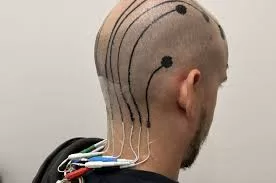
Dr. Hartzell’s landmark brain imaging study examined 21 Vedic pandits—practitioners who have been memorizing and reciting vast Sanskrit scriptures such as the Shukla Yajurveda since childhood. Compared to control participants with no similar training, MRI scans revealed these scholars had more than 10% increase in grey matter across both cerebral hemispheres. Notably, the right hippocampus—key for memory formation and spatial navigation—was enlarged, as was the right temporal cortex, which processes sound, speech, and voice recognition.
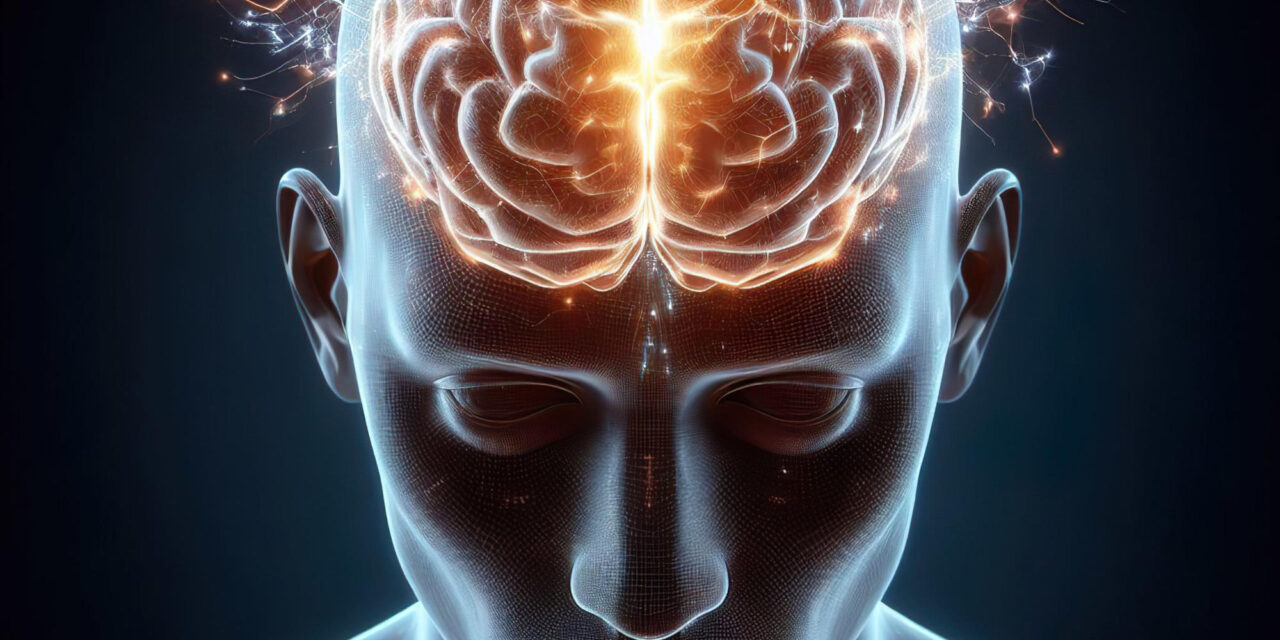
The phenomenon, dubbed the “Sanskrit Effect,” underscores the neuroplastic power of daily chanting. The practice strengthens brain regions tied to memory, attention, and sensory processing, and thicken the prefrontal cortex, which governs higher-order thinking and executive functions. In some studies, even the cerebellar grey matter—crucial for motor coordination and cognitive processing—showed marked density increases.
Researchers emphasize that Sanskrit’s rich oral tradition involves not just rote memory but engagement with complex rhythm, pitch, and phonetic precision. This cognitive workout recruits memory, motor control, and focused attention, likely driving enhanced neuroplasticity—the brain’s ability to adapt and rewire itself.
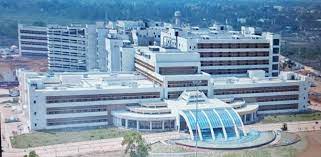
Parallel research at AIIMS Delhi on the Gayatri Mantra reinforced these outcomes, showing that structured mantra training improved cognitive functions among schoolchildren, and brain scans found lasting changes in areas linked to planning, problem-solving, and awareness.
While scientists do not claim that Sanskrit chanting possesses mystical qualities, the data strongly supports its value as a mental exercise with broad applications—from boosting cognitive abilities to potentially helping protect against age-related memory decline and conditions such as dementia.
Dr. Hartzell concludes, “The Sanskrit Effect demonstrates that focused, long-term mental practice spurs brain growth, painting a powerful picture of how tradition and modern neuroscience can inform each other.”
Disclaimer: The content of this article is intended for informational purposes only. It is not a substitute for professional medical advice, diagnosis, or treatment. Always seek the advice of a qualified healthcare provider with any questions you may have regarding a medical condition.
Reference: “What is the Sanskrit effect? How this ancient practice sharpens memory and focus,” Times of India, Aug 16, 2025.