 0
0
 0
0
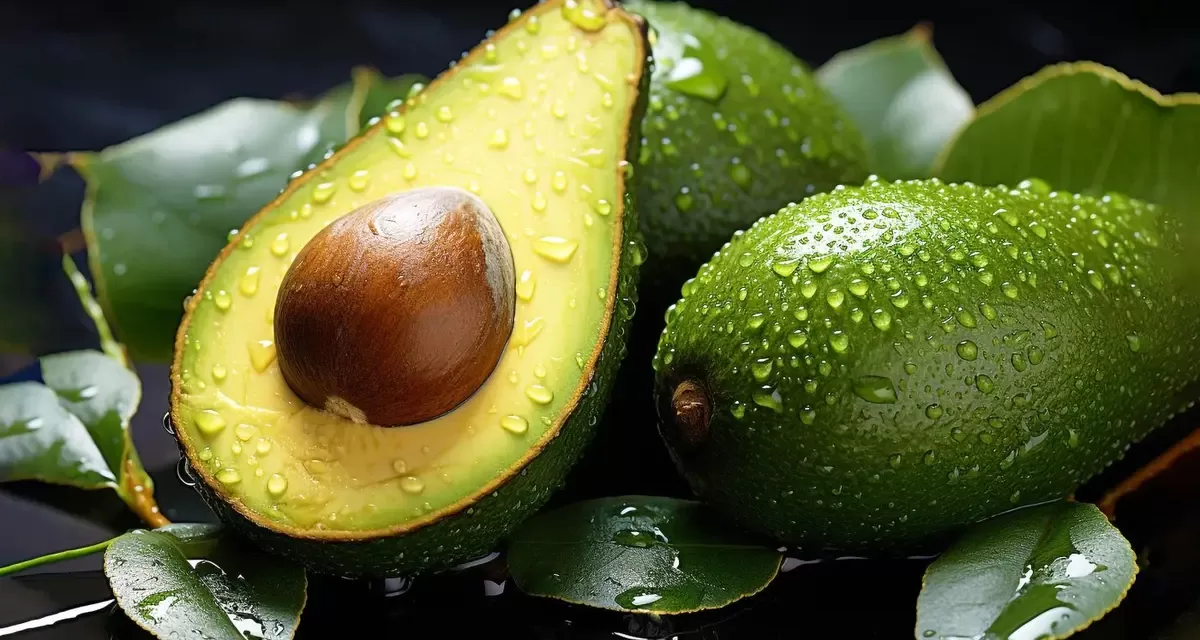
DALLAS, TX — Incorporating an avocado a day into your diet may modestly improve certain cholesterol markers and overall sleep quality, but simply adding the creamy green fruit to an otherwise unchanged, calorie-dense diet won’t magically prevent heart attacks or strokes, according to a growing body of cardiovascular research.
Recent clinical findings published in the Journal of the American Heart Association (JAHA) reveal that while daily avocado consumption helps improve key dietary risk factors, the real clinical payoff lies not in treating the fruit as a miracle cure-all, but in using it to displace harmful saturated fats like butter, cheese, and processed meats.
The Findings: Markers vs. Outcomes
The newest insights stem from a secondary analysis of the Habitual Diet and Avocado Trial (HAT), a randomized controlled trial following 969 adults with abdominal obesity over a 26-week period. Participants were split into two groups: one received one large Hass avocado daily, while the control group maintained their habitual diet without added avocados.
At the conclusion of the trial, participants in the avocado group showed modest gains in their American Heart Association (AHA) “Life’s Essential 8” diet component scores, along with improved blood lipid profiles and better sleep health scores. However, the trial observed no statistically significant change in participants’ overall composite cardiovascular health scores.
+-----------------------------------------------------------------------------------+
|                            CLINICAL TRIAL AT A GLANCE                             |
+-----------------------------------------------------------------------------------+
| • Study Cohort: 969 adults with abdominal obesity                                 |
| • Duration: 26 weeks (randomized trial setting)                                   |
| • Interventions: 1 large Hass avocado/day vs. Usual diet (no added avocado)       |
| • Primary Outcomes: Improved diet/lipid scores, better sleep metrics              |
| • Key Limitation: No significant change in overall AHA composite health scores    |
+-----------------------------------------------------------------------------------+
“It is critical to distinguish between intermediate risk markers and actual clinical events,” explains Dr. Elena Rostova, a preventive cardiologist and clinical professor of medicine not affiliated with the trial. “A trial measuring cholesterol fractions over six months tells us about biomarker trajectories, but it doesn’t demonstrate a direct reduction in myocardial infarctions or stroke events over a lifetime. Avocados refine the ingredients of heart health, but they are not a standalone shield against heart disease.”
The Power of Swap Culture: Long-Term Evidence
While short-term trials examine biomarkers, long-term observational data highlights how consistent dietary habits impact actual disease rates. A landmark 30-year study published in JAHA, tracking more than 110,000 health professionals from the Nurses’ Health Study and Health Professionals Follow-up Study, documented 14,274 cardiovascular events and provided strong evidence for the benefits of dietary substitution.
Researchers found that individuals who consumed at least two servings of avocado per week experienced a 16% lower risk of cardiovascular disease and a 21% lower risk of coronary heart disease compared to non-consumers. Crucially, statistical modeling demonstrated that substituting just half a daily serving of butter, margarine, eggs, cheese, yogurt, or processed meats with an equivalent amount of avocado was associated with a 16% to 22% reduction in cardiovascular risk.
    ESTIMATED CARDIOVASCULAR RISK REDUCTION VIA DIETARY SUBSTITUTION
    (Replacing 1/2 daily serving of high-saturated-fat foods with avocado)

    Butter / Margarine  [====================================] 22% Lower Risk
    Processed Meats     [==================================] 20% Lower Risk
    High-Fat Cheese     [=============================] 18% Lower Risk
    Whole Eggs          [======================] 16% Lower Risk
Avocados are naturally dense in monounsaturated fatty acids (MUFAs), soluble fiber, potassium, and plant sterols—nutritional components known to optimize lipid profiles by lowering low-density lipoprotein (LDL) cholesterol without depressing high-density lipoprotein (HDL) levels. However, experts emphasize that the biological mechanism depends far more on what the avocado replaces than the unique properties of the fruit itself.
Expert Perspective: Patterns Over “Superfoods”
Public health officials and clinical nutritionists caution against labeling single ingredients as “superfoods,” a moniker that often leads consumers to add extra calories to unbalanced diets under the guise of health promotion.
“If you add half an avocado to a high-calorie bacon cheeseburger, you aren’t neutralizing the saturated fat or sodium in that meal,” says Marcus Vance, RDN, a senior clinical dietitian specializing in cardiometabolic risk reduction. “However, if you smear avocado on whole-grain toast instead of butter, or use mashed avocado in place of heavy mayonnaise in a salad, you drastically shift your dietary fatty-acid profile from saturated to unsaturated. That simple swap is where the true cardioprotective magic happens.”
Furthermore, researchers note that substituting avocado for other healthy unsaturated fats—such as extra virgin olive oil, walnuts, or almonds—yielded no distinct additional benefit. This finding reinforces the consensus among cardiologists: unsaturated fats as a general category support heart health, and no single food holds a monopoly on cardiovascular wellness.
Public Health Implications and Practical Recommendations
Cardiovascular disease remains the leading cause of death globally. From a public health standpoint, the AHA’s current dietary guidelines advocate for overall eating patterns rich in fruits, vegetables, whole grains, lean proteins, and healthy fats, while restricting saturated fats, trans fats, added sugars, and sodium.
+------------------------------------------------------------------------------------+
|                         PRACTICAL DIETARY SWAPS FOR HEART HEALTH                   |
+------------------------------------------------------------------------------------+
| Instead of...             | Try Replacing With...      | Health Benefit             |
+---------------------------+----------------------------+----------------------------|
| Butter on morning toast   | Mashed avocado + sea salt  | Replaces saturated fat     |
|                           |                            | with heart-healthy MUFAs   |
+---------------------------+----------------------------+----------------------------|
| Mayonnaise in tuna salad  | Creamed avocado with lemon | Reduces processed fats,    |
|                           |                            | adds dietary fiber         |
+---------------------------+----------------------------+----------------------------|
| Heavy cheese in wraps     | Sliced Hass avocado        | Maintains rich texture     |
|                           |                            | while introducing sterols  |
+---------------------------+----------------------------+----------------------------|
| Commercial cream dressings| Avocado-herb vinaigrette   | Cuts added sugars and      |
|                           |                            | artificial emulsifiers     |
+------------------------------------------------------------------------------------+
Key Takeaways for Patients and Consumers
-
Focus on Substitution: Use avocado to replace butter, margarine, lard, heavy cheeses, and processed breakfast meats.
-
Watch Portion Sizes: Avocados are energy-dense (a medium avocado contains roughly 240–300 calories). Adding them on top of an already calorie-surplus diet can lead to unintended weight gain, which counteracts metabolic improvements.
-
Prioritize the Whole Plate: An avocado cannot offset a lifestyle lacking physical activity or rich in ultra-processed foods. Combine healthy fats with legumes, leafy greens, and whole grains.
Study Limitations
When interpreting these findings, several methodological limitations must be considered:
-
Short Duration & Intermediate Markers: The 2025/2026 HAT trial ancillary study lasted only 26 weeks and evaluated surrogate risk factors (lipid levels, diet scores) rather than clinical endpoints like heart attacks, heart failure, or death.
-
Specific Study Population: The daily-avocado intervention trial focused exclusively on adults with abdominal obesity; results may vary in non-obese or younger populations.
-
Observational Confounding: The 30-year cohort study relied on self-reported food frequency questionnaires, introducing potential recall bias. Additionally, individuals who routinely eat avocados often engage in other healthy lifestyle behaviors (such as regular exercise and non-smoking), which can confound long-term risk associations.
References
- https://scitechdaily.com/scientists-say-eating-one-avocado-a-day-may-lower-heart-disease-risk/
Medical Disclaimer: This article is for informational purposes only and should not be considered medical advice. Always consult with qualified healthcare professionals before making any health-related decisions or changes to your treatment plan. The information presented here is based on current research and expert opinions, which may evolve as new evidence emerges.