 0
0
 0
0
NEW DELHI — In a move that could reshape how India’s public hospitals acquire life-saving technology, the Department of Pharmaceuticals (DoP) has launched a high-stakes public consultation regarding the procurement of 354 specialized medical devices. On February 11, 2026, the Ministry of Chemicals and Fertilizers issued Public Notice No. MD/2026, inviting stakeholders to weigh in on proposed changes to the Global Tender Enquiry (GTE) Exemption List.
The decision marks a pivotal moment in India’s dual mission: ensuring patients have immediate access to the world’s most advanced medical tools while simultaneously nurturing a “Make in India” ecosystem for healthcare technology.
Understanding the “Global Tender” Tug-of-War
To understand why this matters to the average citizen, one must look at how government hospitals buy equipment. Under standard Indian procurement rules (specifically Rule 161(iv) of the General Financial Rules 2017), public entities are generally required to prioritize domestic suppliers to bolster local industry.
However, a “Global Tender Enquiry” (GTE) allows hospitals to invite international bids. This is typically reserved for highly complex technologies—such as advanced MRI machines, robotic surgical systems, or specialized cardiac catheters—that may not yet be manufactured in India at the necessary scale or quality.
The current list of 354 devices has enjoyed a “general exemption” scheduled to last until March 31, 2027. The new DoP notice signals that the government is now reassessing this list. If a device is removed from the exemption list, public hospitals must look to Indian manufacturers first. If it stays, they maintain the flexibility to shop the global market.
High-Impact Clinical Areas Under Review
The 354 devices currently under the microscope cover nearly every critical department in a modern hospital:
-
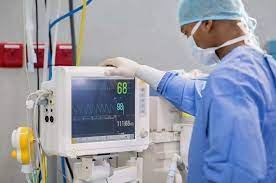
Critical Care & Cardiology: High-end ventilators, pacemakers, and hemodynamic monitors.
-
Imaging & Diagnostics: Advanced CT scanners, ultrasound probes, and molecular laboratory equipment.
-
Surgical Specialties: ENT surgical tools, neurosurgery microscopes, and orthopedic implants.
For hospital administrators, these are “capital-intensive” assets. The choice of vendor doesn’t just affect the purchase price; it dictates the long-term availability of spare parts, software updates, and technical support—all of which determine whether a machine is “up and running” or gathering dust when a patient needs it.
The Push for Domestic Resilience
The government’s request for feedback, due by February 28, 2026, specifically asks manufacturers to provide evidence of their production capacity.
“The goal is to find the ‘sweet spot’ between supporting local innovators and ensuring a surgeon in a public hospital isn’t waiting six months for a tool that could be imported in six weeks,” explains a policy analyst familiar with the DoP’s procurement strategies.
By asking for “Annexure A” submissions—detailed proof of domestic manufacturing and regulatory approvals—the DoP is essentially performing a “census” of India’s medical device maturity. If Indian companies can prove they can meet the demand for a specific device, that item may be removed from the global exemption list to encourage local adoption.
Implications for Public Health and Patients
While procurement policy sounds like bureaucratic “inside baseball,” its downstream effects are felt in hospital waiting rooms.
1. Access to Cutting-Edge Care
If the list is managed well, it ensures that public hospitals—which serve the bulk of India’s population—are not technologically inferior to high-end private facilities. Global tendering allows for a wider supplier base, which can lead to more competitive pricing and better technology.
2. Supply Chain Security
The COVID-19 pandemic taught the world that over-reliance on international shipping can be dangerous. By identifying which of the 354 devices can now be made reliably in India, the government aims to build a more resilient healthcare system that isn’t vulnerable to global logistics disruptions.
3. Cost and Quality
There is often a tension between cost and quality. Domestic devices are frequently more affordable, but they must meet rigorous international standards to be viable substitutes for global brands. The consultation process acts as a quality-control filter, ensuring that exemptions are only removed when the domestic alternative is truly ready for clinical use.
Expert Perspectives and Limitations
Public health experts urge a cautious approach. While the intent is to foster Indian industry, some warn that moving too quickly could create “technology gaps.”
“A device is only as good as its maintenance,” says one procurement consultant. “If we switch to a domestic supplier who doesn’t yet have a nationwide service network, a rural hospital might struggle to keep that device operational.”
Furthermore, it is important to note that a change in procurement rules does not automatically guarantee better patient outcomes. Clinical success depends on a “quadad” of factors:
-
The Technology: Having the right equipment.
-
The Staff: Trained clinicians to operate it.
-
The Infrastructure: Stable power and oxygen supplies.
-
The Maintenance: Ongoing quality assurance and repair.
What This Means for You
For the everyday health-conscious consumer, this policy shift won’t change your doctor’s visit tomorrow. However, it may influence the long-term availability of specialized services in government medical colleges and public hospitals.
-
If you are planning a procedure: If you or a family member are seeking treatment in the public system for a complex condition (like a heart valve replacement or specialized imaging), it is always worth asking your provider about equipment status and expected wait times.
-
Market Trends: Increased competition between global and local players often leads to better pricing across the entire market, which can eventually lower the cost of healthcare in the private sector as well.
The DoP’s final decision, expected after the February 28 deadline, will serve as a roadmap for India’s medical future—balancing the pride of “Made in India” with the urgent, daily needs of millions of patients.
Medical Disclaimer: This article is for informational purposes only and should not be considered medical advice. Always consult with qualified healthcare professionals before making any health-related decisions or changes to your treatment plan. The information presented here is based on current research and expert opinions, which may evolve as new evidence emerges.
References