 0
0
 0
0
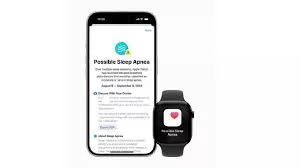
A groundbreaking AI-based app that interprets single-lead ECG data from smartwatches can detect structural heart disease, a study led by researchers from Yale New Haven Hospital revealed in November 2025. Presented at the American Heart Association’s Scientific Sessions 2025, this innovation promises earlier identification of heart conditions like heart failure, valve damage, and left ventricular hypertrophy before symptoms manifest, potentially improving patient outcomes and expanding community screening access.
Breakthrough Study and Key Findings
The app uses artificial intelligence to analyze the single-lead ECG—a heart rhythm tracing obtainable from common smartwatches—transforming this simple heart rhythm sensor into a predictive tool for structural heart disease. The AI algorithm was developed using over 266,000 standard 12-lead ECGs from 110,006 adult patients, each paired with echocardiograms performed within 30 days to provide a precise diagnostic gold standard.
The model was made resilient by training it with real-world “noise” signals commonly produced by movement or muscle interference during smartwatch ECG recordings. Then, it was externally validated in tens of thousands of patients from community hospitals and population-based studies. In a direct test with 600 adults who wore the smartwatch and underwent echocardiograms the same day, the AI detected structural heart disease with:
-
Sensitivity (true positive rate): 86%
-
Specificity (true negative rate): 87%
-
Negative predictive value: 99%
-
Positive predictive value: 27%
-
Area under the receiver operating curve (AUROC): 0.88
These statistics indicate the app is very effective at ruling out disease and detecting true cases with good accuracy, though some false positives remain.
Expert Insights and Clinical Context
Dr. Arya Aminorroaya, who led the study as an internal medicine resident and research affiliate at Yale, highlighted the importance of early detection, noting structural heart disease often goes undiagnosed until symptoms become debilitating. Earlier intervention in the asymptomatic phase could substantially improve patient prognosis. “Most people know smartwatches can spot arrhythmias like atrial fibrillation, but identifying structural abnormalities from a single-lead ECG recorded by these devices is unprecedented,” explained Dr. Aminorroaya.
Dr. Pradeep Natarajan of Massachusetts General Hospital, an expert not involved in the study, acknowledged the technology’s promise for community screening and preventive cardiology. However, he cautioned that an 86% sensitivity means some cases might be missed, and that widespread use requires validation in more diverse, general populations. He also noted the risk of overdiagnosis and unnecessary follow-up testing due to false positives, emphasizing the need for medical oversight alongside AI diagnostics.
Structural Heart Disease: Understanding the Condition
Structural heart disease refers to abnormalities in the heart’s anatomy that affect its function. Common forms include heart failure (weak pumping capacity), valve disease (damaged or malformed valves), and left ventricular hypertrophy (thickening of the heart muscle). These conditions traditionally require echocardiography, a specialized ultrasound imaging test, for diagnosis—a test that is not routinely available or affordable for widespread community screening.
The ability to detect these conditions through a simple ECG reading, readily available on many smartwatches, could revolutionize early diagnosis by enhancing accessibility and lowering costs.
Public Health Implications and Practical Considerations
Wider adoption of the app could facilitate early community-based screening programs. People might use their personal smartwatches, or devices could be deployed in public settings like churches, grocery stores, or barbershops to screen individuals without smartwatch ownership. This could enable earlier referral for confirmatory testing and treatment, potentially reducing serious cardiac events and healthcare costs associated with late diagnosis.
Nevertheless, balance is necessary. Developers and health systems must mitigate the risk of overwhelming healthcare facilities with false positives and ensure AI tools complement—not replace—medical expertise. Further studies to refine the algorithm’s accuracy and assess outcomes in real-world screening programs are ongoing.
Limitations and Future Directions
The study’s prospective phase involved a relatively small number of individuals with confirmed structural heart disease, limiting the precision of the performance estimates. Moreover, the AI currently does not detect all structural conditions, such as certain cardiomyopathies, though research is underway.
Future research aims to validate the tool broadly in asymptomatic populations, improve specificity, and integrate AI-powered screening into community and clinical workflows to optimize patient care pathways.
Medical Disclaimer
This article is for informational purposes only and should not be considered medical advice. Always consult with qualified healthcare professionals before making any health-related decisions or changes to your treatment plan. The information presented here is based on current research and expert opinions, which may evolve as new evidence emerges.
References
- https://www.medscape.com/viewarticle/app-turns-smartwatch-detector-structural-heart-disease-2025a1000uzc
- https://newsroom.heart.org/news/an-ai-tool-detected-structural-heart-disease-in-adults-using-a-smartwatch