 0
0
 0
0
In a groundbreaking clinical trial, Eli Lilly’s weight loss drug Zepbound (tirzepatide) led to nearly 50% greater weight loss than Novo Nordisk’s Wegovy (semaglutide), marking the first direct comparison between these two blockbuster medications. The findings, published Sunday in the New England Journal of Medicine and presented at the European Congress on Obesity in Spain, could reshape the landscape of obesity treatment in the United States, where nearly 40% of adults are affected.
Study Details and Results
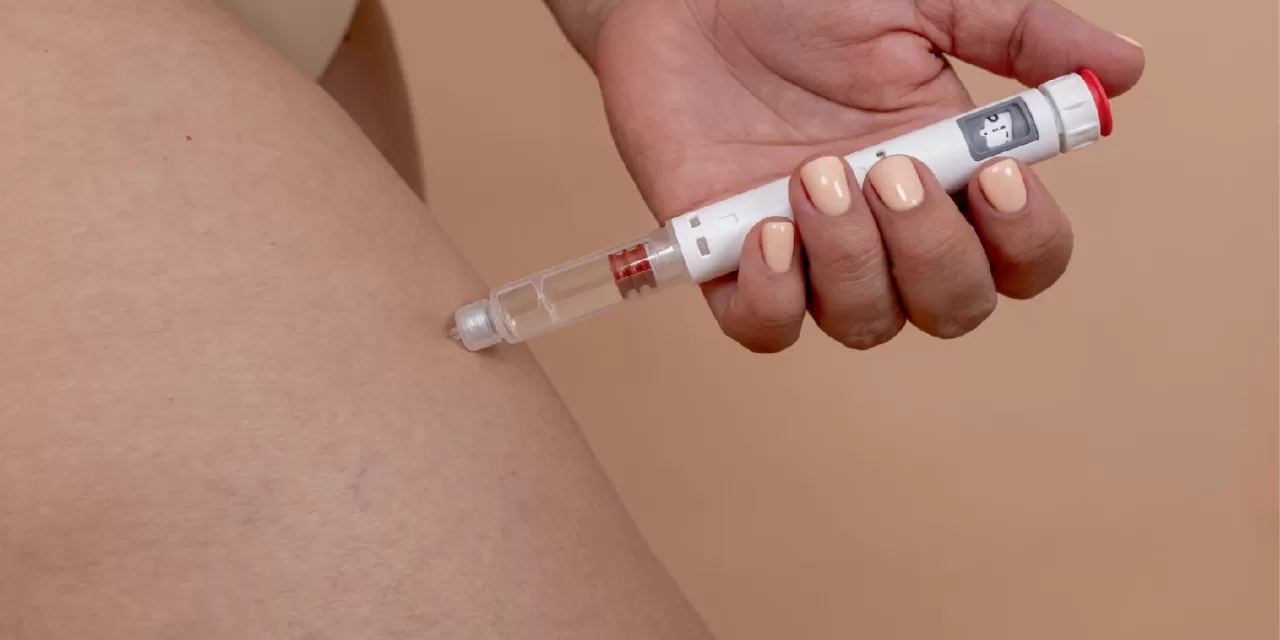
The trial enrolled 751 overweight or obese adults (excluding those with diabetes) who also had at least one weight-related health condition. Over 72 weeks, participants received weekly injections of either Zepbound (10 or 15 mg) or Wegovy (1.7 or 2.4 mg), with dosages tailored to the maximum each participant could tolerate.
Key results included:
-
Average Weight Loss: Zepbound users lost about 50 pounds (22.8 kg), while Wegovy users lost approximately 33 pounds (15 kg).
-
Percentage of Body Weight Lost: Zepbound participants shed an average of 20% of their body weight, compared to nearly 14% for those on Wegovy.
-
Waist Circumference: Zepbound users reduced their waists by about 7 inches (17.8 cm), versus 5 inches (12.7 cm) for Wegovy users.
-
Significant Weight Loss: 32% of Zepbound users lost at least a quarter of their body weight, compared to 16% of Wegovy users.
-
Gender Difference: On average, men lost about 6% less weight than women in both groups.
Both medications work by mimicking hormones that regulate hunger and satiety. However, Zepbound activates two hormones (GLP-1 and GIP), while Wegovy targets only GLP-1, which researchers believe may explain the difference in effectiveness.
Health Benefits and Side Effects
Beyond weight loss, participants in both groups showed improvements in blood pressure, cholesterol, and blood sugar levels. However, more than 75% of users reported at least one side effect, mainly mild to moderate gastrointestinal issues such as nausea, constipation, diarrhea, and vomiting. About 6% of Zepbound users and 8% of Wegovy users discontinued the study due to these effects.
Access, Affordability, and Future Outlook
Despite their effectiveness, access and affordability remain significant challenges. Both drugs have recently come off the FDA’s drug shortage list, and manufacturers have introduced programs to lower costs to around $500 per month or less, depending on dosage. However, insurance coverage varies. For example, CVS Health recently announced that Wegovy will become the preferred weight loss drug on its standard formulary starting July 1, while Zepbound will not be included.
Experts emphasize that having multiple effective medications is crucial for addressing obesity, a condition with diverse causes and responses to treatment. Dr. Angela Fitch, chief medical officer at Knownwell, highlighted that while Zepbound may offer greater weight loss, Wegovy has been shown to reduce the risk of major cardiovascular events by 20%.
“We will need to utilize all available options since there are so many patients requiring treatment,” said Fitch.
Disclaimer:
This article is for informational purposes only and does not constitute medical advice. The clinical trial referenced was funded by Eli Lilly, the manufacturer of Zepbound. Individual results may vary, and all medications can have side effects. Always consult a healthcare professional before starting or changing any weight loss treatment.
Citations: