 0
0
 0
0
Date: December 15, 2025
A groundbreaking new study published in BMC Women’s Health suggests that the root causes of menstruation-related symptoms differ significantly between women who exercise regularly and those who do not. The findings indicate that while psychological stress is the primary driver of severe symptoms in women with sedentary lifestyles, physical factors like Body Mass Index (BMI) and sleep habits play a more critical role for female athletes.
The research, conducted by a team from Juntendo University and the University of Tsukuba in Japan, challenges the “one-size-fits-all” approach to managing menstrual health, highlighting the need for tailored interventions based on a woman’s physical activity level.
The “Athlete Paradox” in Menstrual Health
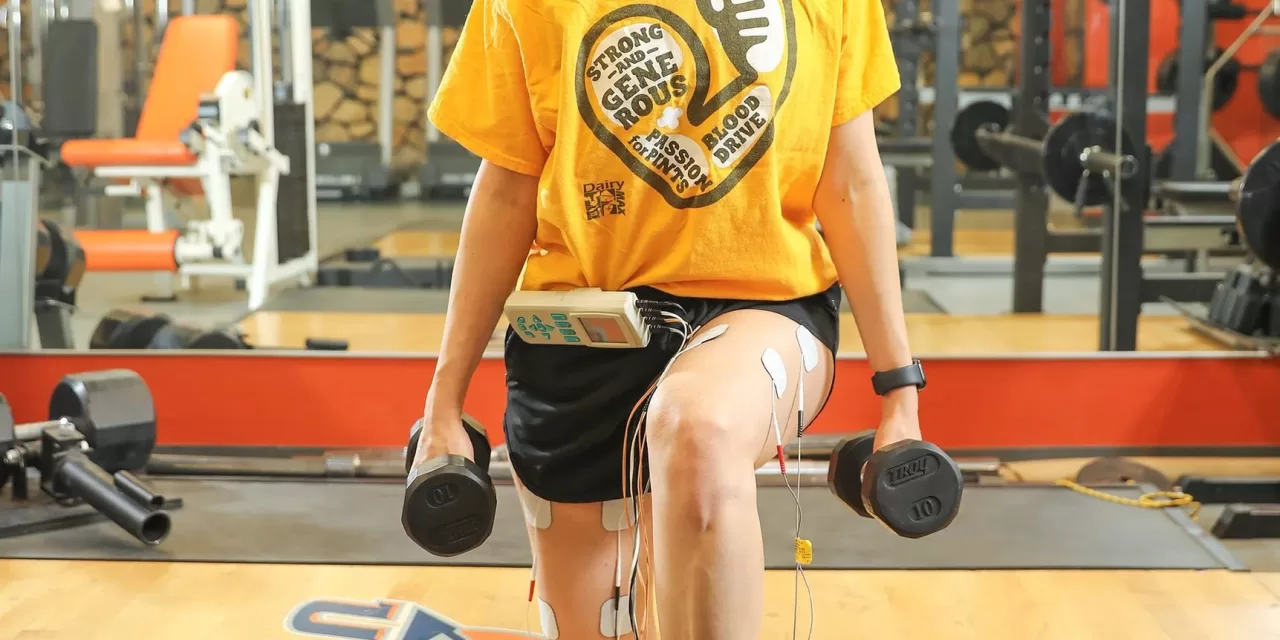
For years, exercise has been prescribed as a natural remedy for menstrual cramps and premenstrual syndrome (PMS). However, researchers have long observed a paradox: while moderate exercise can alleviate pain for some, high-level female athletes often continue to suffer from debilitating symptoms that impact their performance.
To understand this discrepancy, the researchers surveyed 428 Japanese women aged 18 to 29, comparing two distinct groups: 192 women with no regular exercise habits and 236 female university soccer players. The team used the Andersch and Milsom Scale to evaluate the severity of 16 common menstruation-related symptoms, ranging from abdominal pain and headaches to irritability and depression.
Key Findings: Stress vs. Lifestyle
The study revealed a stark divergence in what exacerbates symptoms for each group:
-
For Women Without Exercise Habits: Psychological stress emerged as the single most significant factor associated with severe symptoms both before and during menstruation. The data showed that higher perceived stress levels correlated strongly with increased severity of physical and emotional discomfort.
-
For Female Soccer Players: Stress played a less prominent role. Instead, physical and lifestyle factors were the key drivers. Higher BMI, late bedtimes, caffeine consumption, and a family history of menstrual issues were significantly linked to symptom severity.
“The factors contributing to menstruation-related symptoms differ depending on exercise habits,” the authors noted in their report. They emphasized that while stress management might be the “first line of defense” for sedentary women, athletes may benefit more from adjustments to their sleep schedules, diet, and body composition management.
A Closer Look at the Numbers
The study highlights the widespread prevalence of these issues. In the final analysis groups, approximately 41.4% of non-exercising women and 39.2% of soccer players reported experiencing at least one “severe” symptom before their period. During menstruation, these figures remained high, affecting 44.4% of the non-exercising group and 35.2% of the athletes.
Risa Mitsuhashi, the study’s lead author and a researcher at the Japanese Center for Research on Women in Sport, suggested that these findings could reshape how healthcare providers approach treatment. For a patient who is sedentary, a prescription for relaxation techniques or mindfulness might be most effective. Conversely, for an active woman or athlete, a physician might look closer at her sleep hygiene or nutritional intake.
Expert Perspectives and Implications
Dr. Sarah Jenkins, a sports medicine physician not involved in the study, praised the research for distinguishing between different patient profiles.
“We often tell women to ‘just exercise’ to help with cramps, but this data shows it’s more nuanced,” Dr. Jenkins said. “For my athlete patients, who are already physically stressed, adding more exercise isn’t the answer. We need to look at recovery—are they sleeping enough? Are they fueling correctly? This study validates that approach.”
The economic and social impact of unmanaged menstrual symptoms is substantial. Previous data cited by the researchers estimates that menstruation-related symptoms cause an annual economic loss of approximately 683 billion yen (roughly $4.5 billion USD) in Japan alone due to lost productivity and absenteeism.
Limitations and Future Directions
While the study provides valuable insights, the researchers noted its limitations. As a cross-sectional study, it identifies associations but cannot definitively prove causation. Additionally, the study focused specifically on soccer players, meaning the findings might not universally apply to athletes in non-impact or individual sports like swimming or gymnastics.
Furthermore, the reliance on self-reported data introduces the potential for recall bias. The researchers recommend that future longitudinal studies track women over time to see if changing exercise habits or stress levels directly alters symptom severity.
Practical Takeaways
Based on this research, women can take a targeted approach to managing their cycle:
-
If you are sedentary: Prioritize stress reduction. Techniques such as meditation, yoga, or simply ensuring you have downtime could be your most effective tool against menstrual pain.
-
If you are an athlete: Audit your lifestyle. Ensure you are getting to bed early, managing your caffeine intake, and maintaining a healthy energy balance (nutrition) relative to your training load.
Medical Disclaimer: This article is for informational purposes only and should not be considered medical advice. Always consult with qualified healthcare professionals before making any health-related decisions or changes to your treatment plan. The information presented here is based on current research and expert opinions, which may evolve as new evidence emerges.
References
-
Mitsuhashi, R., Mizushima, R., Natsui, H., Machida, S., & Nakata, Y. (2025). Comparison of factors associated with the occurrence of menstruation-related symptoms in Japanese women without exercise habits and female soccer players: A cross-sectional study. BMC Women’s Health, 25(1), 139. DOI: 10.1186/s12905-025-03655-w.