 0
0
 0
0
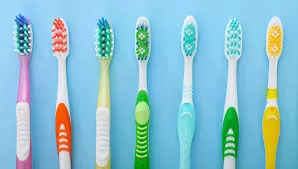
Mumbai, Oct 19 — While you diligently brush your teeth to maintain oral hygiene, new findings reveal that your toothbrush may be harboring millions of harmful microbes, some potentially more hazardous than the bacteria found on junk food. Experts caution that toothbrushes can accumulate a diverse range of bacteria and fungi, including those linked to infections and oral diseases, posing unseen health risks.
Key Findings on Toothbrush Contamination
A 2020 study published in Microorganisms found that toothbrushes can carry from 1 million to 12 million bacteria and fungi spanning hundreds of species. These microorganisms form resilient biofilms on bristle surfaces or hide within fractured bristle stalks. The daily wet environment—enriched by saliva, food particles, and skin cells—creates ideal conditions for microbial growth.
Microbiologist Marc-Kevin Zinn from Rhine-Waal University, Germany, identifies three primary sources of contamination: the user’s mouth and skin, as well as the surrounding environment where the toothbrush is stored. While many microbes like Rothia dentocariosa and Streptococcaceae mitis are part of normal oral flora and potentially beneficial, harmful bacteria such as Streptococci and Staphylococci can cause tooth decay, gum inflammation, and more serious infections.
Further scrutiny has detected pathogens including Escherichia coli, Pseudomonas aeruginosa, Klebsiella pneumoniae, and Candida yeasts. The latter can lead to oral thrush, particularly in immunocompromised individuals. Some bacteria found on toothbrushes may even demonstrate antibiotic resistance, compounding potential risks.
Toilets and Aerosol Contamination
Toilets add another dimension to this hidden microbial threat. Flushing a toilet can disperse tiny aerosolized droplets containing bacteria and viruses, including Covid-19, influenza, and norovirus, up to 1.5 meters into the air. Studies indicate that 60% of toothbrushes in communal bathrooms harbor fecal bacteria—often from cross-contamination due to inadequate storage or shared spaces.
Research from the University of Arizona published in 2025 showed that closing the toilet lid before flushing does not significantly reduce viral aerosol contamination on bathroom surfaces. This finding underscores the importance of regular disinfection of bathroom areas and proper toothbrush storage to minimize infection risks.
Expert Commentary
Dr. Anjali Verma, a dental hygiene specialist at Mumbai Dental College, explains, “The oral cavity naturally hosts diverse bacteria, which are mostly harmless or beneficial. However, toothbrushes can turn into reservoirs for harmful pathogens if not cleaned and stored properly. This becomes especially risky for people with weakened immune systems or existing oral conditions.”
She emphasizes, “Regular toothbrush replacement, proper drying, and disinfection are simple yet effective measures to reduce microbial load on toothbrushes.”
Practical Tips to Protect Your Toothbrush
Experts recommend specific steps to minimize microbial contamination on toothbrushes:
-
Store toothbrushes upright in open air at room temperature to allow thorough drying; avoid closed or sealed containers which foster moisture and microbial growth.
-
Periodically soak toothbrush bristles in antiseptic mouthwash (e.g., chlorhexidine or Listerine) for 5 to 10 minutes to disinfect effectively.
-
Replace toothbrushes every three months, or sooner if bristles are damaged or if you have a compromised immune system.
-
Avoid sharing toothbrushes and keep them separate when stored in shared bathrooms.
A 2011 Indian study highlighted that disinfectants such as 3% hydrogen peroxide, chlorhexidine, and Listerine mouthwash achieve near 100% effectiveness in cleaning toothbrushes compared to water alone. These are cost-effective, accessible options for household disinfection.
Public Health Implications
Maintaining oral hygiene is critical not just for dental health but overall well-being. Contaminated toothbrushes can be a hidden source of infections ranging from minor gum irritation to more serious conditions including oral thrush and systemic infections in vulnerable populations.
Proper toothbrush hygiene reduces cross-contamination risks and may prevent infections that require medical interventions. Public health messaging should include guidance on toothbrush care to complement standard oral hygiene practices.
Limitations and Considerations
While many studies document microbial presence on toothbrushes, it is important to note that the mere presence of microbes does not guarantee infection. Most healthy individuals have robust immune defenses. However, those with weakened immunity or underlying health conditions must be particularly cautious.
Research gaps remain about the survival duration of various pathogens on toothbrush surfaces and the best practical guidelines for the general population.
Medical Disclaimer: This article is for informational purposes only and should not be considered medical advice. Always consult with qualified healthcare professionals before making any health-related decisions or changes to your treatment plan. The information presented here is based on current research and expert opinions, which may evolve as new evidence emerges.
References: