 0
0
 0
0
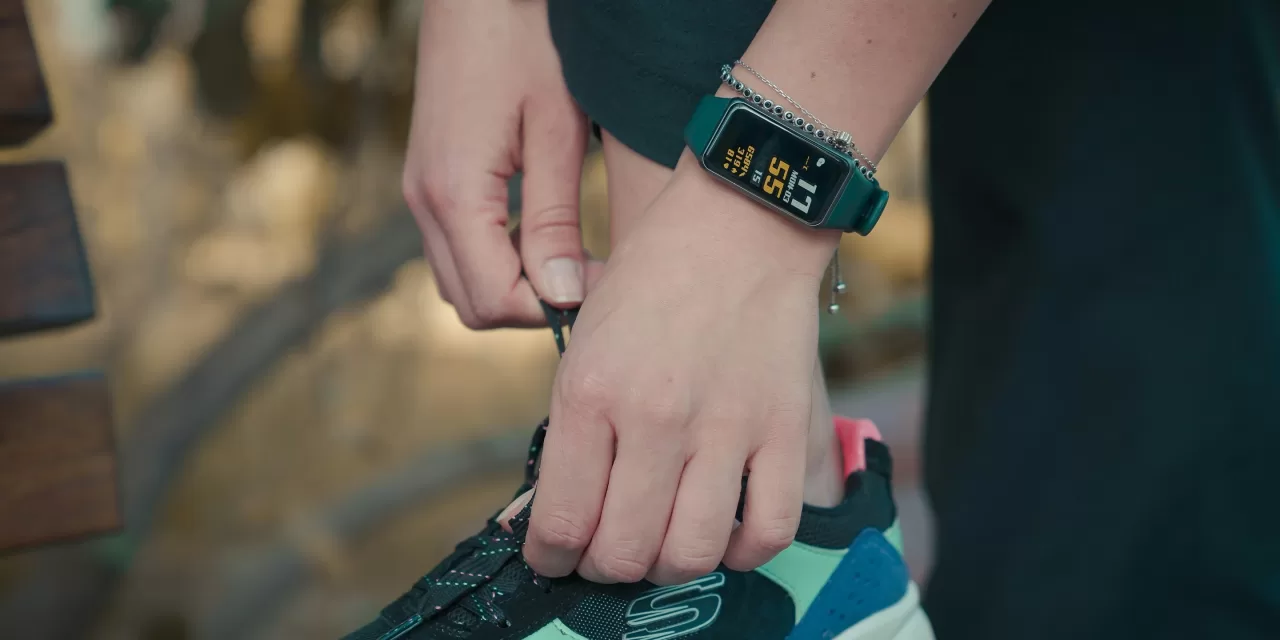
A new study indicates that common wearable devices such as smartwatches could revolutionize pregnancy monitoring by detecting physiological changes linked to pregnancy hormones. Researchers from Scripps Research found that tracking heart rate and other body signals with devices like the Apple Watch, Garmin, and Fitbit may offer a noninvasive way to monitor maternal health from early pregnancy through postpartum.
Key Findings and Developments
Scientists analyzed data from 108 individuals who consented to share their wearable device data spanning three months before pregnancy to six months after delivery. Using advanced statistical methods, they identified patterns in heart rate, sleep, and activity that correlated closely with fluctuating pregnancy hormones such as estrogen, progesterone, and human chorionic gonadotropin (hCG).
The most striking physiological marker was heart rate. Early pregnancy showed an initial heart rate dip at around weeks five to nine, followed by a steady rise peaking nearly 9.4 beats per minute above pre-pregnancy levels shortly before delivery. Postpartum, heart rate dropped below baseline before stabilizing at about six months after birth.
These findings matched existing hormone-level data from prior pregnancy studies, supporting the idea that wearables could reliably reflect hormone-driven physiological changes during pregnancy.
Expert Perspectives
Giorgio Quer, co-senior author and director of artificial intelligence at Scripps Research, highlighted the promise of wearable sensors: “Wearable devices offer a unique opportunity to develop innovative solutions that address the high number of adverse pregnancy outcomes in the US. Our results show that signals collected via wearable sensors follow the expected changes in hormone levels and can detect unique patterns specific to live birth pregnancies, potentially allowing the monitoring of maternal health throughout pregnancy and postpartum.”
Context and Background
Pregnancy monitoring traditionally involves periodic clinical visits and blood tests to assess hormone levels critical for healthy gestation. However, access to consistent prenatal care can be limited, especially in maternal care deserts where geographic or resource barriers exist. Wearable technology, already widely adopted for fitness and health tracking, provides continuous, real-time physiological data that could fill gaps in monitoring, alerting women and healthcare providers to concerning changes early.
Implications for Public Health
If validated on a larger scale, wearable devices could complement prenatal care models with remote monitoring, potentially improving outcomes through earlier detection of pregnancy complications or abnormalities. Continuous monitoring might also empower pregnant individuals with more insight into their health outside clinical settings.
Moreover, the accessibility and convenience of wearables could especially benefit underserved populations facing barriers in traditional pregnancy care, thereby addressing disparities in maternal health.
Potential Limitations and Counterarguments
While promising, this study is preliminary. The sample size of 108 participants limits generalizability. Device types and individual differences necessitated complex statistical adjustments, underscoring variability in wearable data quality.
Experts caution that wearable data should not replace clinical assessments but serve as an adjunct. Factors such as device accuracy, user adherence, and interpretation of physiological signals require further investigation. Additionally, hormone fluctuations vary widely, and heart rate changes may be influenced by multiple factors beyond pregnancy.
Practical Implications for Readers
For individuals using wearables, this research suggests a future where these devices could provide meaningful pregnancy insights if integrated with healthcare systems. However, pregnant people should continue standard prenatal care and consult healthcare providers for any signs of concern. Wearables may become another tool for health awareness but are not standalone diagnostic devices at this stage.
Medical Disclaimer: This article is for informational purposes only and should not be considered medical advice. Always consult with qualified healthcare professionals before making any health-related decisions or changes to your treatment plan. The information presented here is based on current research and expert opinions, which may evolve as new evidence emerges.
References
- https://english.mathrubhumi.com/technology/your-smartwatch-could-detect-pregnancy-changes-new-study-reveals-how-no6lh6ve