 0
0
 0
0
In a groundbreaking study, researchers have successfully modified yeast cells to develop defects strikingly similar to those seen in certain human brain disorders, opening new avenues for understanding complex neurological diseases.
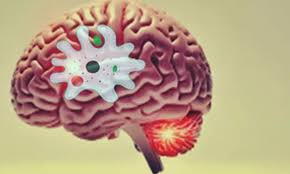
Scientists at Emory University and the University of Texas Health Science Center focused on mutations that cause brain maldevelopment in humans, specifically targeting a cellular complex known as the RNA exosome. This complex is essential for RNA processing, surveillance, and degradation. When genes coding for RNA exosome components are mutated, it leads to a group of disorders called RNA exosomopathies, which primarily result in severe developmental defects in the brain, such as Pontocerebellar Hypoplasia Type 1 (PCH1). PCH1 is characterized by profound motor, cognitive, and developmental impairments in infants.
By introducing these human disease-causing mutations into the budding yeast Saccharomyces cerevisiae, the researchers observed that the yeast developed similar cellular defects. This is significant because yeast, despite being a simple single-celled organism, shares a remarkable degree of genetic and cellular machinery with humans. The conservation of these pathways means that yeast can serve as a powerful model organism for studying the molecular underpinnings of human neurological disorders, especially those related to RNA exosome dysfunction.
The use of yeast in modeling human diseases is not new. Previous studies have shown that yeast can replicate key features of complex neurodegenerative disorders like Huntington’s and Parkinson’s diseases, allowing researchers to identify potential therapeutic targets and test new drugs in a simplified system before moving to more complex animal models. The current study further validates yeast as a versatile platform for investigating the genetic and biochemical basis of brain development and disease.
The researchers hope that these findings will accelerate the search for treatments by enabling rapid genetic screening and drug testing in yeast, which can then be translated to higher organisms and, eventually, clinical settings.
“Cells use a common set of parts and those parts, even after a billion years of independent evolution, are swappable,” said Edward Marcotte, a molecular biologist at the University of Texas at Austin. “It’s a beautiful demonstration of the common heritage of all living things – to be able to take DNA from a human and replace the matching DNA in a yeast cell and have it successfully support the life of the cell.”
Disclaimer
This article is based on recent scientific studies and ongoing research. The findings discussed involve model organisms and may not directly translate to human health outcomes without further validation. Readers are advised to consult primary scientific literature and healthcare professionals for more detailed information and before drawing clinical conclusions.
Citations: