 0
0
 0
0
For over 300 million years, the Y chromosome has played a pivotal role in determining male sex in humans, carrying the SRY gene that triggers the development of testes and other male traits. But new research reveals that this crucial chromosome is steadily disappearing, a process that may already be affecting men’s health today.
The Vanishing Y: A Slow Evolutionary Decline
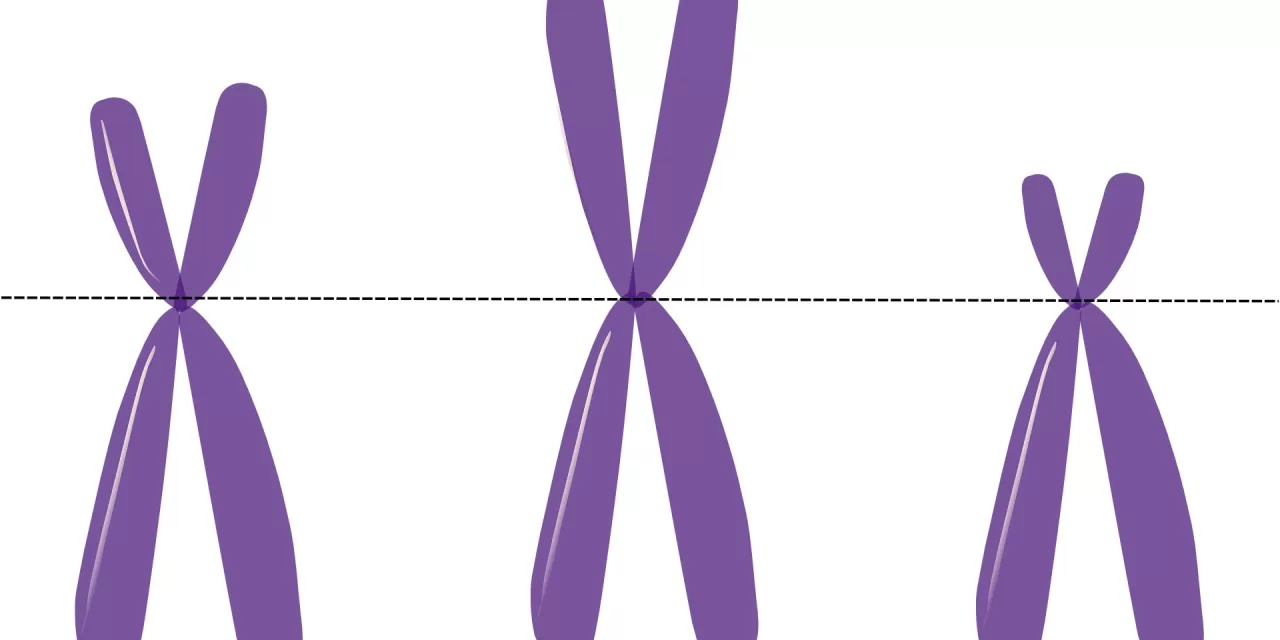
Unlike the X chromosome, which boasts around 900 genes, the Y chromosome is much smaller and now contains only about 55 genes. Comparative studies show that since humans split from the platypus lineage roughly 166 million years ago, the Y has been losing about five genes every million years. If this trend continues, the Y chromosome could vanish entirely in approximately 11 million years—a blink in geological time.
Health Risks Emerging Today
While the disappearance of the Y chromosome is a slow evolutionary process, its effects are already being observed in men as they age. Starting around age 50, some bone marrow cells in men begin to lose the Y chromosome during cell division. By the age of 80, more than 40% of men have significant populations of blood cells missing the Y chromosome—a condition known as “mosaic loss of Y” (LOY).
Studies tracking over 1,100 older Swedish men found that those with LOY died an average of 5.5 years earlier, had higher risks of cancer, heart disease, and faced a sevenfold increase in Alzheimer’s disease compared to those without the condition. Animal experiments confirm these findings: mice without the Y chromosome in their blood stem cells developed more aggressive tumors, heart damage, and died earlier.
Why Losing the Y Matters
One key gene on the Y chromosome, UTY, helps regulate the immune system. Its loss causes certain immune cells to malfunction—some produce more scar tissue, while others become less effective at fighting cancer. In men, bladder cancers missing the Y chromosome tend to be more dangerous, though these tumors may respond better to certain cancer immunotherapies called checkpoint inhibitors.
Could Males Disappear Altogether?
The idea of men vanishing due to Y chromosome loss once seemed far-fetched. However, some rodent species, like the Japanese spiny rat and certain mole voles, have already lost their Y chromosomes entirely and still produce male offspring. In these animals, evolution has found a workaround: a duplicated DNA segment near the SOX9 gene can trigger male development even without the Y chromosome. This suggests that if the Y disappears in humans, a new system could emerge to take its place, potentially leading to the evolution of separate species.
What Can Men Do?
While we can’t halt evolution, lifestyle choices can slow the loss of the Y chromosome in our bodies. Smoking, air pollution, and exposure to toxic chemicals accelerate DNA damage and Y chromosome loss. Quitting smoking, avoiding environmental toxins, exercising regularly, eating a Mediterranean-style diet, and getting good sleep may help preserve Y-bearing cells. Medical research is also exploring drugs to counteract the health effects of Y loss, and future checkups may include a “Y-loss score” alongside cholesterol levels.
The Bottom Line
The shrinking Y chromosome highlights a fascinating intersection between slow evolutionary change and urgent medical challenges. While nature may eventually find a workaround for the loss of the Y chromosome, individual men today are already experiencing the health consequences. Staying healthy and keeping an eye on new research remain the best strategies for now.
Disclaimer:
This article summarizes current scientific research and expert opinion on the Y chromosome’s decline and its impact on men’s health. The findings are based on ongoing studies and may evolve as new evidence emerges. For medical advice or concerns about your health, consult a qualified healthcare professional.