 0
0
 0
0
Ensuring Dignity and Health Through Sanitation
World Toilet Day, celebrated annually on November 19, is an official United Nations observance aimed at raising global awareness and action to address the urgent sanitation crisis. Observed since 2013, this day has been dedicated to emphasizing the importance of safe and accessible toilet facilities as part of Sustainable Development Goal 6: Ensuring water and sanitation for all by 2030. This year’s theme is ‘Toilets – A Place for Peace’ which emphasizes that billions of people face heightened threats to sanitation due to conflict, climate change, natural disasters, and systemic neglect.
Context and Significance
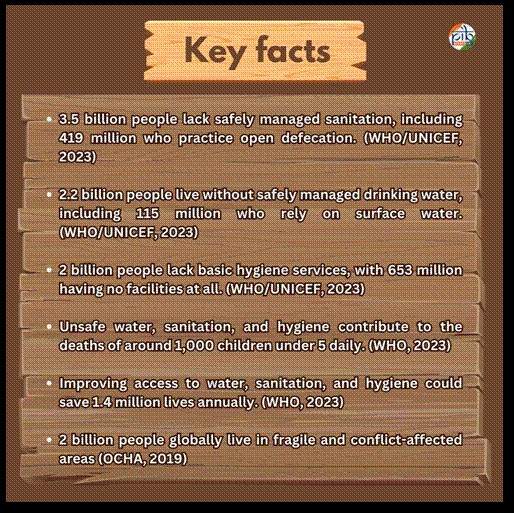
World Toilet Day was established to shed light on the challenges faced by billions worldwide due to inadequate sanitation. The observance underscores the indispensable role of proper toilet facilities in maintaining public and environmental health by preventing the spread of deadly diseases such as cholera. There is a desperate need for sanitation services with 3.5 billion people still living without safely managed sanitation and 419 million practicing open defecation around the world.
Sanitation services act as a protective barrier, ensuring that human waste does not enter ecosystems and endanger communities. The World Health Organization (WHO) reported in 2023 that unsafe water, sanitation, and hygiene are responsible for approximately 1,000 deaths of children under the age of five every day. Improved sanitation could potentially save 1.4 million lives annually, highlighting the urgent need for action.
World Toilet Day 2024: A Call for Resilient Sanitation
The 2024 campaign for World Toilet Day carries a clear and urgent message: governments must ensure that sanitation and water services are resilient, effective, and accessible to everyone, safeguarded against conflict and climate-induced disruptions. The statistics are staggering—2.2 billion people still lack safely managed drinking water, and 2 billion lack basic hygiene services, including 653 million with no facilities at all.
Children living in fragile contexts are particularly vulnerable, being three times more likely to practice open defecation and eight times more likely to lack basic drinking water services. In conflict-affected areas, children under 15 are nearly three times more likely to die from diseases linked to poor sanitation than from direct violence, underscoring the catastrophic impact of inadequate sanitation.
Celebrations in India and Global Campaigns
In India, World Toilet Day serves as a pivotal moment to reinforce efforts toward sustaining the nation’s Open Defecation Free (ODF) status. The government has directed all States and Union Territories to conduct ground-level surveys to identify existing gaps and expedite the construction of Individual Household Latrines (IHHLs). Additionally, village-level registration drives and camps are organized to ensure that all eligible beneficiaries receive timely sanction orders for toilet construction.
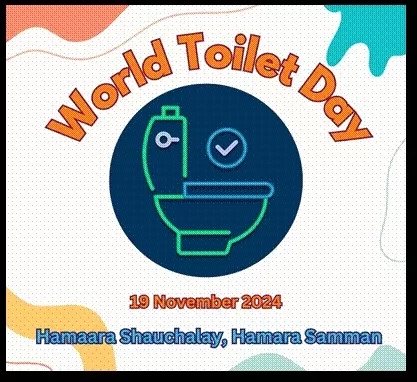
This year, India is going to launch the campaign “Hamara Shauchalay: Hamara Samman”, which will commence on November 19 and culminate on Human Rights Day, December 10, 2024, linking sanitation with human rights and the universal need for dignity and privacy, especially for women and girls.
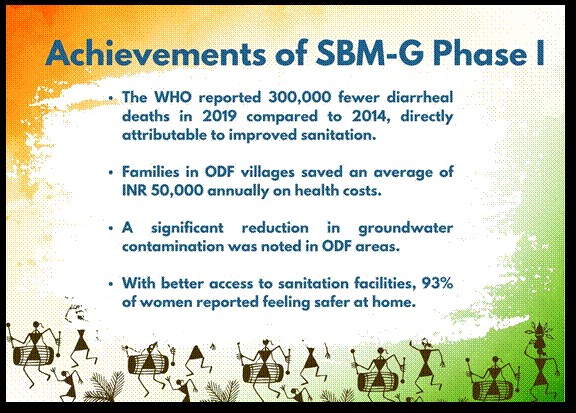
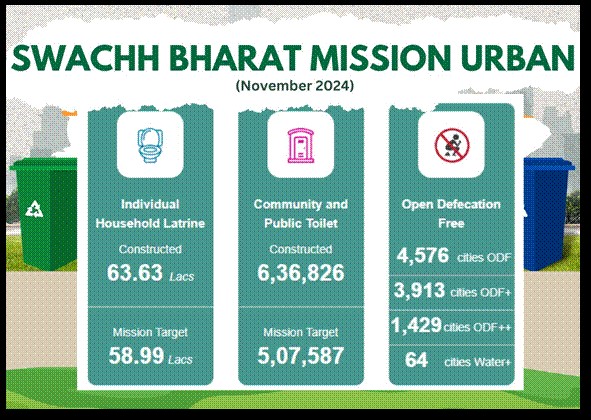
The Swachh Bharat Mission (SBM) has been a cornerstone of India’s efforts to improve sanitation and eliminate open defecation, marking a transformative journey since its launch in 2014. Under SBM-Grameen, substantial progress has been made, including the construction of over 11.73 crore household toilets, resulting in more than 5.57 lakh ODF Plus villages. This initiative significantly contributed to public health, with WHO reporting 300,000 fewer diarrheal deaths by 2019 compared to 2014. The mission’s economic impact was equally impressive, saving ODF villages an average of INR 50,000 per family annually on healthcare. The urban counterpart, Swachh Bharat Mission-Urban, also met and exceeded its targets, facilitating the construction of 63.63 lakh household latrines and over 6.36 lakh community and public toilets. These efforts led to 4,576 cities achieving ODF status, with many progressing to ODF+ and ODF++ designations. The mission has profoundly impacted women’s safety and dignity, with 93% of women in ODF regions reporting enhanced feelings of security. Collectively, SBM has laid the foundation for a cleaner, healthier, and more equitable India, aligning with the overarching goals of World Toilet Day and SDG 6.
A Human Right and a Public Health Imperative
In conclusion, World Toilet Day 2024 serves as a vital reminder of the global urgency to address sanitation challenges, particularly in vulnerable and conflict-affected regions. This observance underscores that access to safe and resilient sanitation is not just a matter of infrastructure, but a fundamental human right tied to dignity, health, and security. Governments, organizations, and communities must come together to prioritize sustainable solutions, promote awareness, and invest in long-term measures to ensure that no one is left behind. By working collectively, we can turn the vision of universal access to water and sanitation into reality, protecting the health and well-being of billions and creating a foundation for a more equitable and just world.
References
https://swachhbharatmission.ddws.gov.in/
https://www.un.org/sites/un2.un.org/files/2024/07/wtd2024_factsheet_eng.pdf
https://www.un.org/en/observances/toilet-day/background