 0
0
 0
0
Every year on September 10, the global community observes World Suicide Prevention Day (WSPD), a dedicated moment to raise awareness, foster open conversations, and accelerate efforts to prevent suicide. In 2025, the focus is on “Changing the Narrative on Suicide,” championing empathy, openness, and understanding to combat the stigma that often surrounds this critical public health issue. This message resonates strongly in India, where the suicide burden is alarmingly high.
Key Findings and Recent Developments
Globally, over 720,000 people die by suicide annually, making suicide a leading cause of death worldwide, especially among young people aged 15 to 29—the third leading cause in this age group. In India, the situation is particularly dire, with over 100,000 suicide deaths annually, accounting for roughly one-third of global female suicides and nearly one-fourth of male suicides. The National Crime Records Bureau (NCRB) data reveal a worrying upward trend, with suicide rates climbing from 9.9 deaths per 100,000 population in 2017 to 12.4 in 2022 (NCRB 2022).
In response, the Indian government launched its first National Suicide Prevention Strategy (NSPS) in 2022, targeting a 10% reduction in suicide mortality by 2030. Key initiatives under NSPS include programs like Tele-MANAS (offering mental health assistance across states), the District Mental Health Programme (DMHP), the Rashtriya Kishor Swasthya Karyakram (adolescent health program), and Manodarpan, all designed to strengthen mental health services, helplines, and community support infrastructure (Nadda, 2025).
Expert Perspectives
Union Health Minister JP Nadda emphasized during World Suicide Prevention Day 2025 the urgent need to speak more openly about mental health and to dismantle stigma through compassion. “By listening without judgment and creating open spaces, we can bring hope to those in pain,” he said. He stressed that kindness and understanding are crucial to building a safer, more hopeful society.
Supporting this perspective, Dr. Harshida Bhansali, a senior psychiatrist at Mpower, Aditya Birla Education Trust, highlighted the critical need for community awareness about early warning signs and timely intervention. She noted the alarming increase in suicide rates, including a 4.2% rise in India in 2022, with 7.6% of suicides involving students, underscoring the necessity of youth-focused mental health support (Bhansali, 2025).
Context and Background
Suicide is a complex issue involving multiple factors, including mental illness, socioeconomic stressors, and social isolation. Much of the stigma arises from misunderstanding and silence around mental health struggles. The World Health Organization (WHO) underscores that for every suicide, there are an estimated 20 suicide attempts, magnifying the scale of this health challenge.
The WHO’s LIVE LIFE initiative provides evidence-based interventions for national suicide prevention strategies, focusing on limiting access to means of suicide, responsible media reporting, promoting socio-emotional life skills among adolescents, and early identification and care for individuals at risk (WHO, 2025).
Implications for Public Health and Daily Life
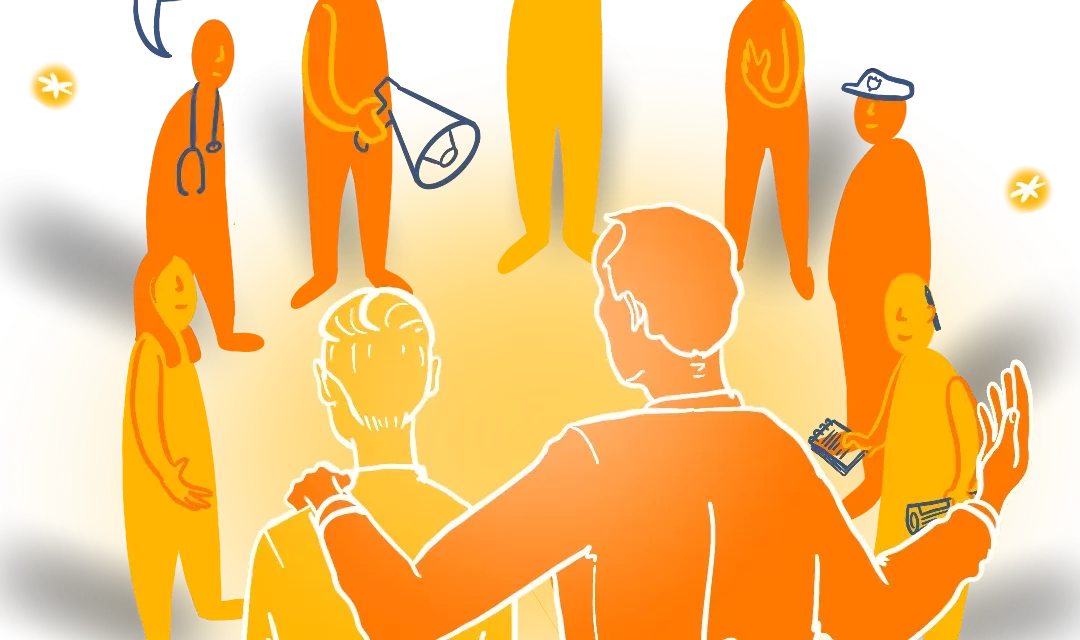
This year’s theme encourages breaking silence and fostering empathic conversations at all levels—families, workplaces, schools, and communities. Practical steps include checking in regularly with friends and loved ones, recognizing signs of distress, and directing people to help. Programs like Tele-MANAS, which handle over a million calls, exemplify how accessible support can be scaled up effectively.
Reducing stigma is also pivotal in encouraging those suffering silently to seek help without fear or shame. On a broader scale, the NSPS and allied programs aim to strengthen the mental health system and ensure vulnerable populations, including adolescents and crisis-affected groups, receive necessary interventions.
Limitations and Challenges
While strides have been made in India and globally, challenges remain in data accuracy, stigma, and resource allocation. Suicide reporting quality varies, and underreporting is common due to cultural and legal factors. The rise in suicide rates despite ongoing programs signals that more comprehensive, multisectoral efforts are needed. Experts caution that suicide prevention requires long-term commitment and collaboration across health, education, justice, and community sectors.
Balanced Reporting and Language
It is essential to use sensitive language such as “died by suicide” to reduce stigma and respect those affected. Open dialogue should be informed by evidence, avoiding sensationalism or fear. Compassionate understanding encourages people to seek and offer help.
Conclusion
World Suicide Prevention Day 2025 calls on every individual and institution to change how society views and addresses suicide—with openness, empathy, and action. For India, where the burden is heavy and rising, these efforts are more critical than ever. The combined approach of national programs, community engagement, and destigmatization offers hope to reduce suicide rates and support lives.
Medical Disclaimer: This article is for informational purposes only and should not be considered medical advice. Always consult with qualified healthcare professionals before making any health-related decisions or changes to your treatment plan. The information presented here is based on current research and expert opinions, which may evolve as new evidence emerges.
References
- https://www.thestatesman.com/india/world-suicide-prevention-day-listen-without-judgment-create-open-spaces-says-nadda-1503484315.html