 0
0
 0
0
World Sexual Health Day is an opportunity to raise awareness about the importance of sexual health to overall health and well-being. The World Health Organization (WHO) and the UN’s Special Programme in Human Reproduction (HRP) remains committed to advancing sexual health and well-being across the life course as integral to fostering healthy societies in which all people experience their sexuality positively and with dignity.
Background
WSHD was first launched in 2010 by Rosemary Coates of Australia during her WAS Presidency. This important day brings people together worldwide to promote sexual health, rights, justice, and pleasure.
One of the essential things WSHD focuses on is recognizing sexual health as a human right, just like the WAS Sexual Rights Declaration did 25 years ago.
World Sexual Health Day is vital to WAS’s mission to bring Sexual Health, Rights, Justice, and Pleasure to ALL. So let’s join in celebrating this important day!
Goals
WSHD aims to promote education, dialogue, and action around sexual health and rights to ensure that everyone has access to accurate information and services.
WAS calls on everyone – governments, organizations, healthcare providers, advocates, and the media – to promote consent as a fundamental aspect of sexual rights.
WSHD promotes the need to make sexual health a global priority. It is also a day to celebrate and honor our rights to pleasure, autonomy, and respect.
2025 Theme
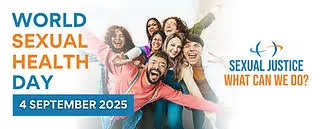
The theme for WSHD 2025 is Sexual Justice: What Can We Do?
-
Sexual Rights. Sexual justice is essential for the achievement of sexual health, rights, and pleasure for all people without discrimination, fear, shame, and stigma.
-
Sexual and Reproductive Rights. Sexual justice means protecting and promoting the right to bodily autonomy and reproductive choice for everyone and everywhere.
-
LGBTQ+ Adolescents: TSexual justice means affirming and defending the rights, dignity, needs, and identities of all LGBTQ+ people, especially trans, non-binary, gay, and lesbian adolescents.
-
Access to Information. Sexual justice means ensuring access to accurate, uncensored, evidence-based information about sexuality and health.
Recent research
In March 2025, HRP researchers contributed to a systematic review of HIV public communication campaigns that incorporated a pleasure-based approach. The review analysed 29 campaigns across multiple regions and found that integrating pleasure, through enjoyment, empowerment, and emotional connection, can reduce stigma, improve knowledge, and support safer behaviours, including condom use and HIV testing. The findings underscore the importance of affirming sexual rights and pleasure in prevention strategies to strengthen engagement and health outcomes.
In December 2024, WHO published the special theme issue of the Bulletin of the World Health Organization on Advancing sexual health and well-being and rights. Drawing on the latest evidence, the issue covers topics affecting people in all their diversity and across various life stages, including sexual practices, sexual empowerment, harmful gender norms, the environmental impact of menstrual hygiene products, endometriosis and HIV prevention. It highlights the need for stronger human rights approaches, expanded self-care interventions and more inclusive, people-centred implementation research in order to achieve health for all.
Last year, WHO also released the global research priorities for sexually transmitted infections (STIs). The priorities identify 40 key research areas across diagnosis, prevention, management and epidemiology. They are intended to guide researchers, funders and policymakers in closing evidence gaps and strengthening STI prevention, control and care worldwide
HRP and WHO have also advanced its work on sexual health measurement, supporting countries to apply the Sexual Health Assessment of Practices and Experiences (SHAPE) questionnaire to generate comparable national data and improve monitoring of sexual health outcomes.
Together, these efforts reaffirm HRP’s and WHO’s commitment to advancing sexual health as a fundamental component of well-being and human rights across the life course.