 0
0
 0
0
Give preterm babies a strong start for a hopeful future
This year’s theme echoes WHO’s Healthy beginnings, hopeful futures campaign. It reminds us that every child deserves a fair chance at life, starting from their very first moments.
A strong start isn’t just about survival – it’s about honouring the promise of every tiny life. It’s about giving these babies the chance not only to survive but to thrive and one day, transform the world.
| Failing to provide the special care these tiny babies need means a huge loss of big potential. Did you know? Some of history’s greatest minds were born too soon. Famous preterm babies include Albert Einstein, Isaac Newton, Charles Darwin and Pablo Picasso. What brilliance might we be losing today? |
The campaign has several key calls to action, calling on countries to:
- invest in special care for small and sick newborns, including neonatal units, specially trained staff, dedicated space and life-saving equipment;
- strengthen maternal health services to prevent preterm birth and detect health problems early;
- support families with emotional, financial, and practical resources to care for their tiny babies; and
- ensure equity so that survival doesn’t depend on geography or income, but grants every baby – from their tiniest beginnings –the best chance at a brilliant future.
Strong starts for hopeful futures
Around 1 in 10 babies worldwide is preterm – born before 37 weeks of pregnancy. Without effective care, they are at high risk of life-threatening health conditions like respiratory distress, infections, and hypothermia, which together lead to hundreds of thousands of preventable deaths each year.
Governments, health systems, communities, and individuals have a shared responsibility to protect these tiny babies and ensure their families get the support they need.
A landmark year
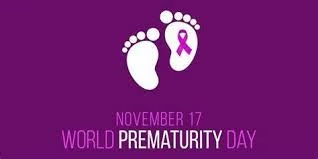
First launched in 2008 by the European Foundation for the Care of Newborn Infants (now the Global Foundation for the Care of Newborn Infants, or GFCNI) and many parent organizations, World Prematurity Day has today grown into a global movement.
In 2025, the World Health Assembly officially added World Prematurity Day to WHO’s international health calendar, recognizing its pivotal importance for improving child survival and well-being.
While the Day has traditionally been marked on 17 November, and will be by many partners in 2025, in order to dedicate a unique day on which to focus on this priority issue without overlapping on other mandated World Days, WHO has designated 15 November 2025 as World Prematurity Day going forward. The main aim of the Day is to raise awareness of the impact of preterm birth and advocate for quality care for every baby who is born too soon.
Key facts
- An estimated 13.4 million babies were born preterm in 2020 (before 37 completed weeks of gestation) (1).
- Preterm birth complications are the leading cause of death among children under 5 years of age, responsible for approximately 900 000 deaths in 2019 (2).
- Three-quarters of these deaths could be prevented with current, cost-effective interventions.
- Across countries, the rate of preterm birth ranges from 4–16% of babies born in 2020.
Overview
Preterm is defined as babies born alive before 37 weeks of pregnancy are completed. There are sub-categories of preterm birth, based on gestational age:
- extremely preterm (less than 28 weeks)
- very preterm (28 to less than 32 weeks)
- moderate to late preterm (32 to 37 weeks).
Babies may be born preterm because of spontaneous preterm labour or because there is a medical indication to plan an induction of labour or caesarean birth early.
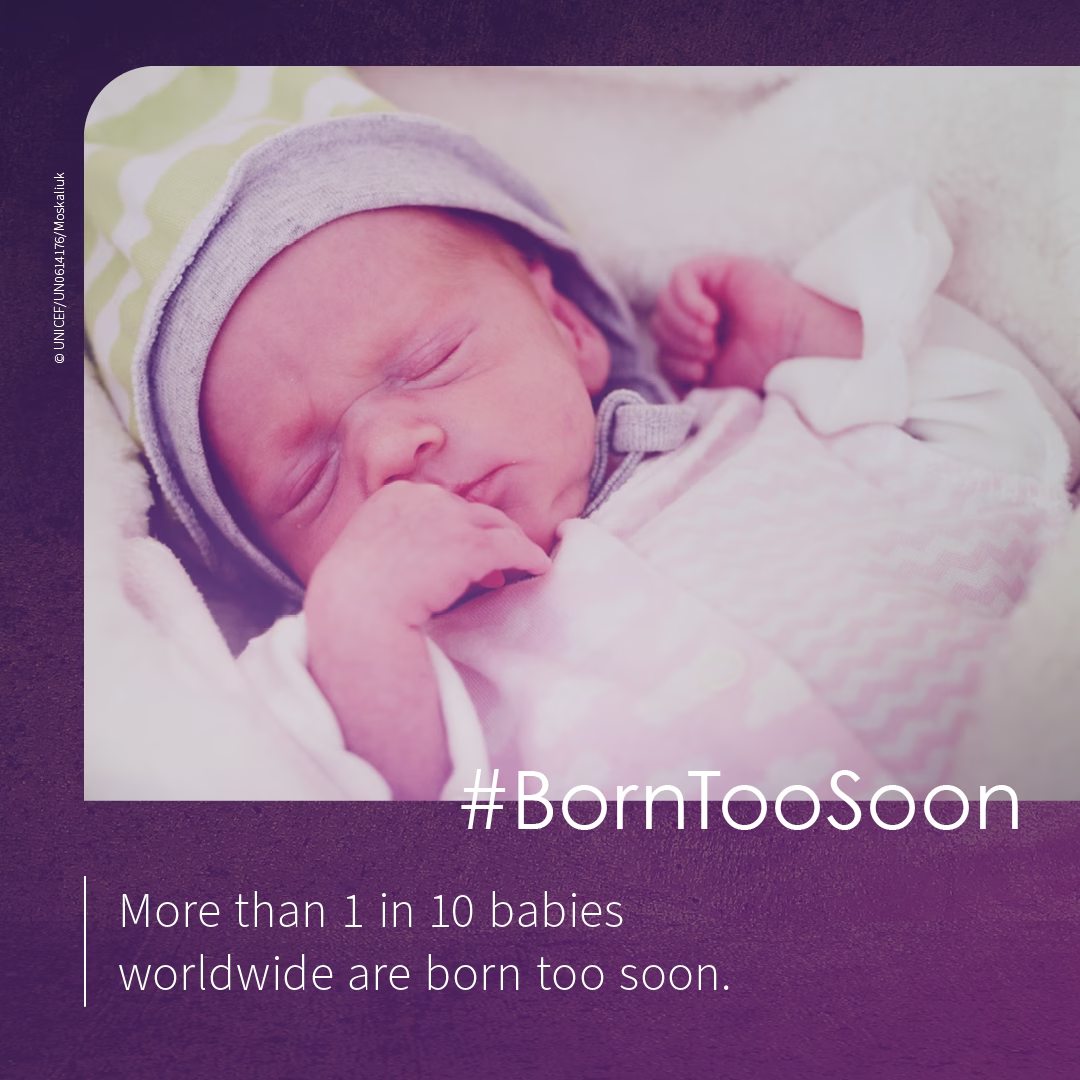
An estimated 13.4 million babies were born too early in 2020. That is more than 1 in 10 babies. Approximately 900 000 children die in 2019 of complications of preterm birth (1). Many survivors face a lifetime of disability, including learning disabilities and visual and hearing problems.
Globally, prematurity is the leading cause of death in children under the age of 5 years. Inequalities in survival rates around the world are stark. In low-income settings, half of the babies born at or below 32 weeks (2 months early) die due to a lack of feasible, cost-effective care such as warmth, breastfeeding support and basic care for infections and breathing difficulties. In high-income countries, almost all these babies survive. Suboptimal use of technology in middle-income settings is causing an increased burden of disability among preterm babies who survive the neonatal period.
Why does preterm birth happen?
Preterm birth occurs for a variety of reasons. Most preterm births happen spontaneously, but some are due to medical reasons such as infections, or other pregnancy complications that require early induction of labour or caesarean birth.
More research is needed to determine the causes and mechanisms of preterm birth. Causes include multiple pregnancies, infections and chronic conditions such as diabetes and high blood pressure; however, often no cause is identified. There could also be a genetic influence.
Where and when does preterm birth happen?
The majority of preterm births occur in southern Asia and sub-Saharan Africa, but preterm birth is truly a global problem. There is a dramatic difference in survival of premature babies depending on where they are born. For example, more than 90% of extremely preterm babies (less than 28 weeks) born in low-income countries die within the first few days of life, yet less than 10% of extremely preterm babies die in high-income settings.
The solution
Preventing deaths and complications from preterm birth starts with a healthy pregnancy. WHO’s antenatal care guidelines include key interventions to help prevent preterm birth, such as counselling on healthy diet, optimal nutrition, and tobacco and substance use; fetal measurements including use of early ultrasound to help determine gestational age and detect multiple pregnancies; and a minimum of 8 contacts with health professionals throughout pregnancy – starting before 12 weeks – to identify and manage risk factors such as infections.
If a woman experiences preterm labour or is at risk of preterm childbirth, treatments are available to help protect the preterm baby from future neurological impairment as well as difficulties with breathing and infection. These include antenatal steroids and tocolytic treatments to delay labour and antibiotics for preterm prolabour rupture of membranes (PPROM).
In 2022, WHO also published new recommendations on the care of the preterm infant. These reflect new evidence that simple interventions such as kangaroo mother care immediately after birth, early initiation of breastfeeding, use of continuous positive airway pressure (CPAP) and medicines such as caffeine for breathing problems can substantially reduce mortality in preterm and low birthweight babies.
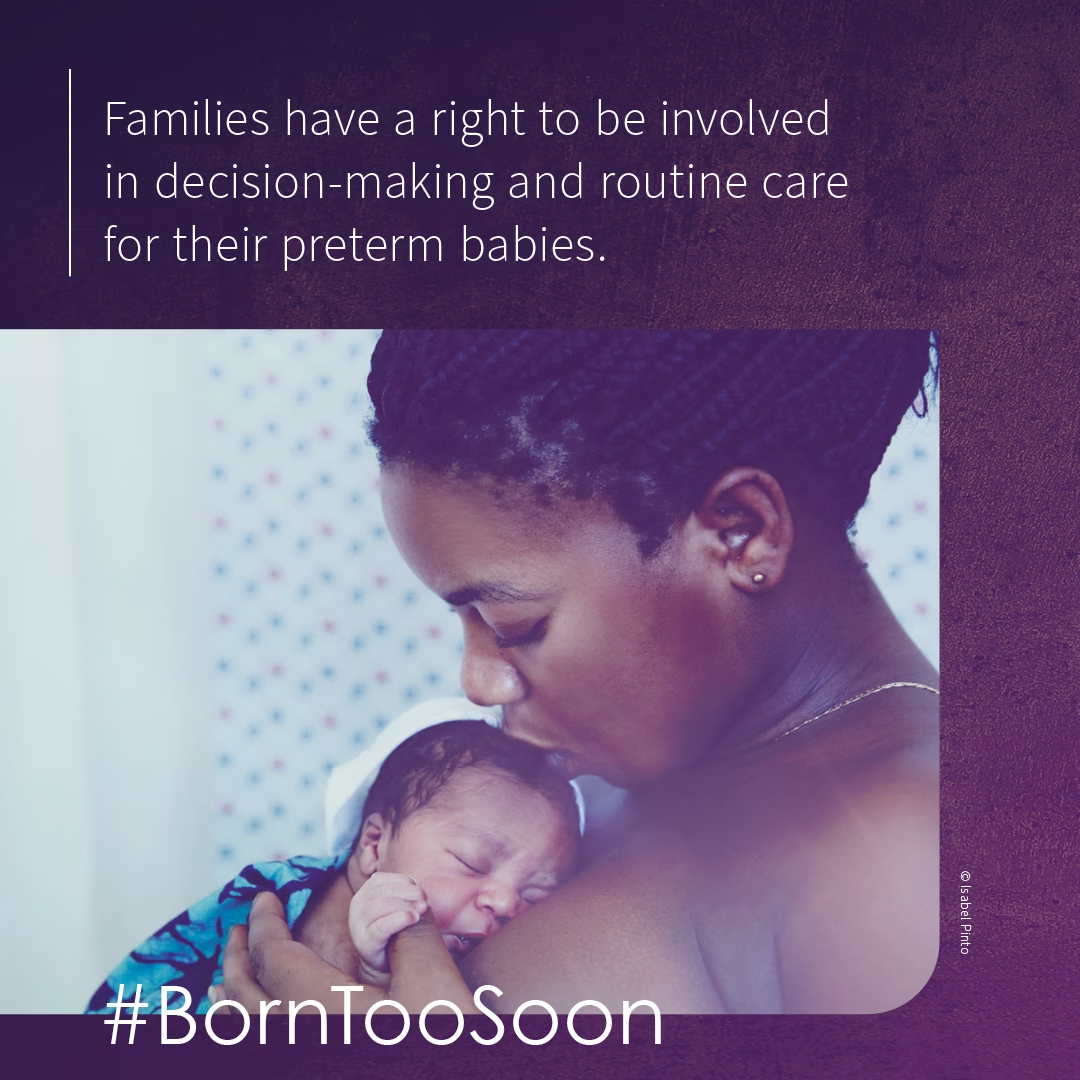
WHO guidance stresses the need to ensure the mother and family take the pivotal role in their baby’s care. Mothers and newborns should remain together from birth and not be separated unless the baby is critically ill. The recommendations further call for improvements in family support including education and counselling, peer support and home visits by trained health-care providers.
We owe it to babies, families and future generations to act now on preterm births.
- 1in 10 babies globally is born too soon. Prematurity is the leading cause of preventable child deaths, with the vast majority (at least 80%) happening in low and middle-income countries.
- Progress in child survival will not be possible without improving outcomes for small and preterm babies.
- Failing to provide the care needed by preterm babies means losing lives and losing futures filled with love, learning, and opportunity.
- Investments in quality small and sick newborn care will improve the survival of these babies.
- Let’s give every baby a strong, hopeful future beyond their birthday. Join us in raising awareness, supporting families, and advocating for the care every baby deserves.
Whether a preterm baby survives shouldn’t depend on where they are born.
- In the poorest countries, most very preterm babies (under 32 weeks) die within days – leading to hundreds of thousands of preventable deaths each year – whereas in high-income countries, almost all survive.
- With a package of newborn care interventions – like continuous skin-to-skin contact, breathing support, breastfeeding and infection control – three-quarters of these babies’ deaths are preventable.
- It’s time to ensure every baby gets the care they need, by investing in special care for small and sick babies, alongside quality maternity services and health promotion to protect women’s underlying health.
Preterm babies need special care and attention from the first moments after birth.
- Preterm babies often have underdeveloped lungs, brains, immune systems, and temperature regulation, making them especially vulnerable to life-threatening complications.
- Very preterm babies need round the clock inpatient care from trained neonatal practitioners, with the days after birth critical to ensure survival.
- Effective interventions are feasible and cost-effective in all settings, including:
- Skin to skin contact: Kangaroo mother care – being held skin to skin by a caregiver – prevents hypothermia and promotes bonding. It is a critical part of care for all small and preterm babies, including if they are in intensive care.
- Respiratory support: Non-invasive ventilation (through CPAP) saves lives, enabling healthy breathing without the need for mechanical ventilators that carry risks.
- Early breastfeeding: Breast milk boosts immunity and supports healthy growth and development.
- Infection prevention: Clean environments and access to antibiotics, if needed, are critical to reduce risks from life-threatening infections.
- Family-centred care: Keeping parents close and involving them at every step improves outcomes and reduces stress for both infants and caregivers.
Supporting families is a vital part of care for preterm babies.
- Behind every preterm baby is a family navigating fear, uncertainty, and emotional strain. Parents often face long hospital stays, financial stress, and the trauma of watching their newborn fight to survive.
- Evidence shows supporting families is not optional – it’s essential to improving outcomes for preterm babies.
- They need emotional support and compassionate care from health professionals, as well as practical help with breastfeeding or milk provision, kangaroo mother care, and navigating hospital systems.
- They need to be protected financially, with access to affordable care and social support to reduce the burden of medical costs, as well as additional parental leave so they can care for their tiny babies.
- They need to be included through family-centred approaches that allow parents to be physically close – sharing a room with round the clock access – and involved in every aspect of decision-making around their baby’s medical care.
Many preterm births are preventable when mums get high-quality care during pregnancy.
- By investing in maternal health, improving care, and empowering families, we can reduce the risk and protect the futures of millions of babies.
- Preventive efforts for preterm birth include early and regular prenatal care – with early ultrasound to monitor fetal growth, identify multiple pregnancies and detect complications early; effective management of chronic conditions like diabetes, high blood pressure or infections; and where appropriate, treatments for those showing signs of or at high risk of preterm birth.
- While many preterm births occur without known risk factors, there are some steps women can take to reduce risks, including healthy nutrition and maintaining a healthy weight, avoiding tobacco and alcohol use, attending all antenatal checks, and seeking immediate medical attention if there are any warning signs of early labour.
How to get involved

Raise awareness
- Wear purple or use our campaign visuals on social media.
- Share personal stories to highlight the human impact of preterm birth.
- Engage with councils and institutions to light up monuments and buildings in the symbolic colour purple to mark the day.
- Use hashtags: #HopefulFutures, #WorldPrematurityDay, #BornTooSoon.

Display the World Prematurity Day Sock Line
- Create a Sock Line with one small purple baby sock among nine full-sized socks – symbolizing that 1 in 10 babies is born prematurely.
- Share your display online to spread the message.
Organize or join events
- Host or attend webinars, panel discussions, or community gatherings.
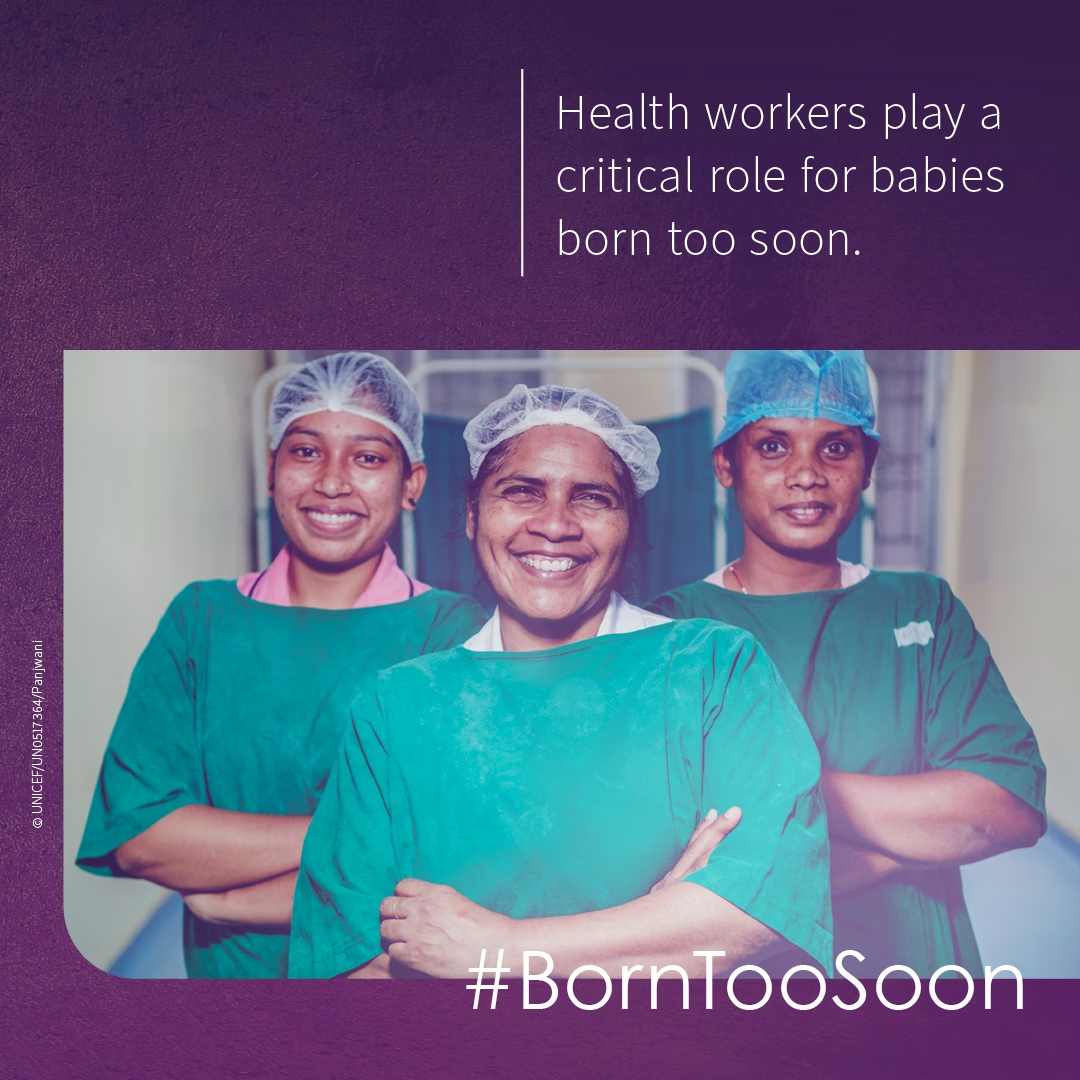
- If you are a health-care professional, host an awareness session in your clinic or hospital, and share best practices and innovations in neonatal care.

Advocate for change
- Contact local leaders to push for better maternal and newborn health services, and policies that ensure access to quality neonatal care and support families affected by preterm birth.

Educate others
- Share campaign materials in schools, workplaces, and community centres.
- Encourage conversations about the importance of special care for small and vulnerable babies and support for families.
- Support media outreach to raise awareness about prematurity.