 0
0
 0
0
On August 20, 2025, as the world marks World Mosquito Day, it is vital to recognize that mosquito bites are far more than mere annoyances causing red, itchy bumps. These tiny insects rank among the deadliest animals globally, as they transmit a range of serious diseases that pose significant public health threats, especially in tropical countries like India.
Why Do Mosquitoes Bite?
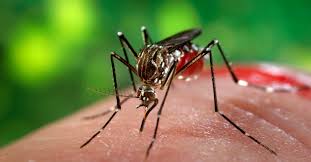
Female mosquitoes bite humans to draw blood, which is essential for their egg production. During feeding, they inject saliva containing proteins that prevent blood clotting, triggering immune reactions in humans that manifest as the familiar redness, swelling, and intense itching. While for many this is just a mild irritation, some individuals may experience severe allergic responses or large welts.
Hidden Dangers Lurking in Mosquito Bites
Beyond discomfort, mosquitoes serve as vectors for multiple dangerous diseases caused by viruses and parasites. According to Dr. Tushar Tayal, Internal Medicine specialist at CK Birla Hospital, the most pressing mosquito-borne illnesses include:
-
Dengue Fever: Transmitted primarily by Aedes aegypti mosquitoes, dengue symptoms range from high fever and severe body ache to rashes. In severe cases, it can cause bleeding and shock.
-
Malaria: Spread by Anopheles mosquitoes, malaria remains a major health challenge. It causes recurring fevers, chills, and can lead to organ damage if untreated.
-
Chikungunya: Also spread by Aedes mosquitoes, chikungunya is notorious for causing debilitating joint pain that can linger for weeks or months.
-
Japanese Encephalitis: This less common but serious viral infection targets the brain, potentially causing seizures, swelling, and death.
-
Zika Virus: Notorious for causing severe birth defects when pregnant women are infected, Zika gained global attention during outbreaks in 2015.
Vulnerable Populations and Severe Outcomes
Certain groups face higher risks of severe outcomes from mosquito-borne diseases, including children with developing immune systems, older adults with declining immunity, pregnant women exposed to viruses like Zika, and immunocompromised individuals. Additionally, rare allergic reactions such as “skeeter syndrome” can worsen the impact of mosquito bites, leading to excessive swelling, pain, and fever.
Preventive Measures to Combat Mosquito-Borne Diseases
Despite the threats, many mosquito-transmitted diseases can be prevented by adopting simple but effective precautions:
-
Eliminate Standing Water: Regularly remove stagnant water from coolers, flowerpots, buckets, and even small containers like bottle caps, as these serve as mosquito breeding grounds.
-
Use Physical Barriers: Installing window screens, sleeping under bed nets, and wearing protective clothing during peak mosquito activity hours (dusk and dawn) reduce bite exposure.
-
Apply Repellents: Use both chemical and natural mosquito repellents on exposed skin and employ indoor coils or vaporisers for added protection.
-
Support Community Efforts: Participate in or advocate for public sanitation drives, fogging, and awareness campaigns that tackle mosquitoes on a larger scale.
As we observe World Mosquito Day 2025, it is crucial to acknowledge that the simple mosquito bite extends far beyond mere irritation. Protecting ourselves from mosquito bites is a vital step in preventing life-threatening diseases and preserving long-term health.
Disclaimer: This article is for informational purposes only and does not replace professional medical advice. If you experience symptoms following a mosquito bite or suspect a mosquito-borne illness, please consult a healthcare professional promptly.
Reference: Hindustan Times, “World Mosquito Day 2025: Doctor shares hidden health risks of mosquito bites beyond rashes,” August 20, 2025.