 0
0
 0
0
Major Funding Falls Short Amid Urgent Need
In Johannesburg on November 21, 2025, governments and global health advocates convened for a pivotal summit, resulting in $11.34 billion in pledges to the Global Fund to Fight AIDS, Tuberculosis, and Malaria—an essential initiative headquartered in Geneva since 2002. While significant, the fundraising effort missed its $18 billion goal for the 2027–2029 cycle, highlighting challenges in sustaining progress against the world’s deadliest infectious diseases at a time of shifting global aid priorities and constrained budgets.
Key Findings: Impact and Shortfalls
-
The $11.34 billion raised represents a substantial commitment, but falls short of the funding needed to maintain, let alone accelerate, the fight against AIDS, TB, and malaria.
-
The United States remains the largest donor, pledging $4.6 billion; however, contributions have declined since the previous summit hosted in 2022, where $6 billion was pledged under President Joe Biden, with the full amount not yet fulfilled by the current administration.
-
The Global Fund warns that the shortfall will likely lead to reductions in country grants, threatening essential projects and potentially reversing decades of progress.
Progress and Achievements: The Global Fund’s Track Record
-
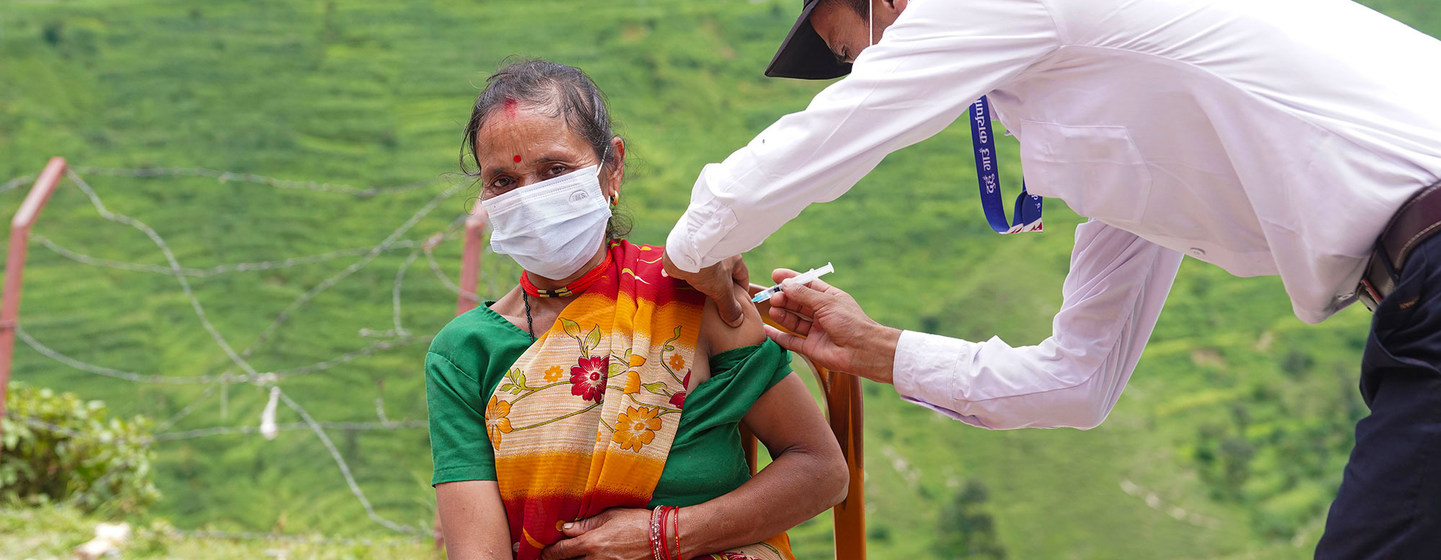
Since its founding, the Global Fund claims to have saved over 70 million lives by delivering antiretroviral therapies for HIV, anti-TB treatment, and distributing insecticide-treated nets for malaria prevention.
-
In 2024, 25.6 million people received HIV treatment through Global Fund-supported programs, with TB treatment coverage reaching 75% and access to malaria prevention rising to 61%—all record highs for their respective interventions.
-
Collectively, efforts driven by the Global Fund have reduced combined death rates from AIDS, TB, and malaria by 63% since 2002.
Expert Commentary: Urgency and Strategy in Global Health Financing
Peter Sands, Executive Director of the Global Fund, emphasized the need for strategic deployment of constrained resources, noting, “The previous model for development aid has ended… countries need to build greater self-reliance, even as we ensure that global progress is not stalled by abrupt changes” (quote from published interviews).
Dr. Folake Olayinka, malaria program expert and advisor to WHO (not involved with the Global Fund), commented, “Sustained funding is essential for malaria elimination. Any drop in donor support risks reversing hard-won gains, especially in regions with high disease burden.” Her concern is echoed by others, including Médecins Sans Frontières, who warn of millions of lives at risk if programs lose momentum.
Context and Background: Shifting Priorities and Global Health Threats
A complex funding landscape is emerging, shaped by realignment of U.S. foreign aid priorities and other major donor countries scaling back support. In 2024, the Global Fund disbursed $4.8 billion across over 100 countries, but international funding is now projected to decline at a critical juncture for public health.
Efforts made since 2002 have cost nearly $70 billion, catalyzing robust health systems and helping countries prepare for future outbreaks. The Fund currently provides 59% of all international malaria financing and invests heavily in surveillance and response systems to safeguard against emerging pandemics.
Implications for Public Health: What’s at Stake
With the funding gap, experts warn of the risk of resurgence in diseases that disproportionately affect lower-income and high-risk populations. Reduced support could result in:
-
Interruptions in antiretroviral and TB medication supply chains
-
Fewer malaria nets distributed, increasing vulnerability and child mortality
-
Threats to community health infrastructure essential for pandemic preparedness
Individuals living in endemic areas should pay attention to local health advisories, maintain preventive practices (such as using insecticide-treated nets), and seek regular testing and treatment. Health professionals must prepare for possible resource constraints and intensified disease surveillance if grants are reduced.
Limitations and Counterarguments: Maximizing Impact and Efficiency
Critics argue that disease-focused funding can overshadow broader health system needs and that past misuse of funds in certain countries warrants more stringent oversight. The Global Fund has responded by pledging to cut operational expenses by 20% in 2026 and to focus on interventions with proven cost-effectiveness and impact.
Practical Takeaways for Readers
-
Support for global health initiatives remains crucial for preventing deadly outbreaks, protecting vulnerable populations, and sustaining advances.
-
Individuals and healthcare professionals should advocate for continued investment, participate in awareness campaigns, and monitor local health recommendations.
-
Efforts to build self-reliant healthcare systems may become more prominent in coming years, necessitating greater local leadership and innovation.
Medical Disclaimer
Medical Disclaimer: This article is for informational purposes only and should not be considered medical advice. Always consult with qualified healthcare professionals before making any health-related decisions or changes to your treatment plan. The information presented here is based on current research and expert opinions, which may evolve as new evidence emerges.
References
-
Reuters. (2025, Nov 21). World leaders pledge $11 billion to fight AIDS, malaria and TB. https://www.reuters.com/business/healthcare-pharmaceuticals/global-fund-raises-11-billion-fight-aids-tb-malaria-2025-11-21/yahoo+2